

The Value of Awning and Canopy Signs for Businesses
Awning signs and canopies are among the most versatile and impactful architectural elements a business can add to its storefront, combining functional benefits (shade, weather protection, energy efficiency) with powerful branding and marketing opportunities. An awning sign—whether a traditional fabric awning with printed graphics, a sleek aluminum canopy with illuminated lettering, or a modern backlit awning with LED lighting—extends the business’s brand identity beyond the building facade, creates a welcoming, covered entrance for customers, and provides valuable shade and weather protection that enhances the customer experience. For retail stores, restaurants, cafes, salons, hotels, and service businesses, a well-designed awning or canopy sign can increase foot traffic, improve brand recognition, reduce energy costs (by shading windows and entrances from direct sunlight), and create a distinctive, memorable storefront that stands out from competitors.
Awning and canopy signs are unique in that they serve both functional and aesthetic purposes, and the choice of materials, design, illumination, and graphics significantly impacts both the functional performance and the visual impact of the awning. Traditional fabric awnings offer a classic, warm, inviting appearance with unlimited graphic and color options, while aluminum canopies provide a modern, sleek, durable solution with integrated illumination and minimal maintenance. The right choice depends on the business’s brand identity, architectural style, budget, maintenance preferences, and functional requirements (shade, weather protection, signage visibility).
This guide provides a comprehensive overview of awning signs and canopy signs, covering the different types of awnings and canopies, fabric vs. aluminum material comparisons, design and branding options, illumination methods, installation considerations, maintenance and durability, regulatory requirements, and best practices for various commercial applications. Whether you are planning a new storefront awning, replacing an existing canopy, or exploring awning signage options for your business, this guide will help you understand the options and make informed decisions for your project.
Types of Awnings and Canopies
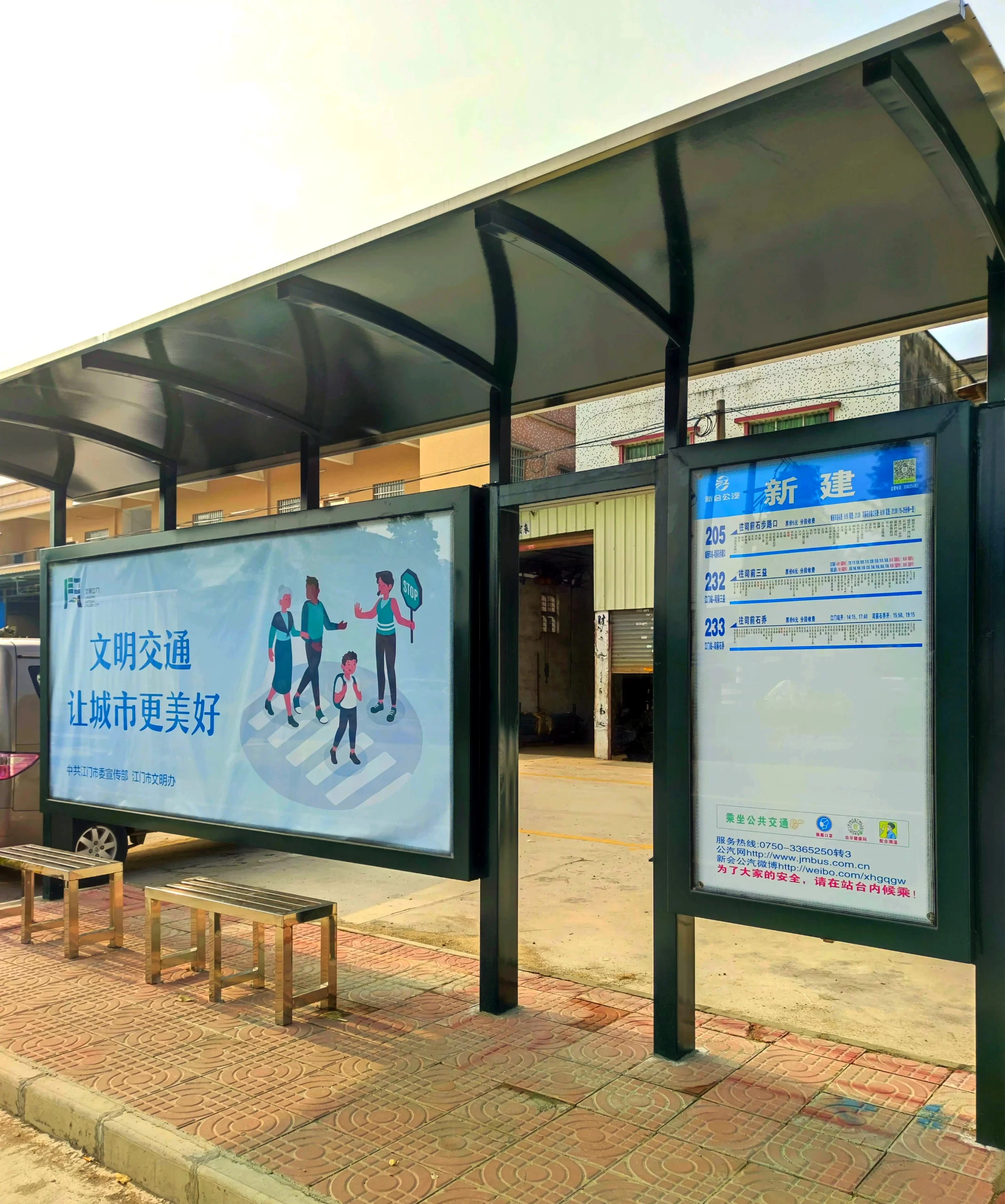
Awnings and canopies come in several types, each with different structural designs, applications, and visual characteristics. Understanding the different types helps you choose the right awning or canopy for your specific needs, building architecture, and brand identity. Together with fascia and storefront signs, awnings complete a cohesive street-level branding package.
1. Traditional Fabric Awnings
Traditional fabric awnings are the most common and recognizable type of awning, consisting of a fabric cover stretched over a lightweight metal frame (typically aluminum or steel) and mounted to the building facade above a window, entrance, or storefront. Fabric awnings are available in a wide range of styles, including:
- Retractable awnings: Awnings that can be extended or retracted manually (with a hand crank) or motorized (with an electric motor), allowing the business to control shade and weather protection as needed. Retractable awnings are ideal for businesses that want flexibility (e.g., restaurants with outdoor seating that want shade during the day but open sky in the evening, or retail stores that want to retract the awning during storms or high winds).
- Fixed (stationary) awnings: Awnings that are permanently mounted to the building and cannot be retracted, providing constant shade and weather protection. Fixed awnings are typically more affordable than retractable awnings and require less maintenance (no moving parts or motors), making them a popular choice for businesses that want constant shade and branding without the added cost and complexity of retractable mechanisms.
- Dome awnings: Awnings with a rounded, dome-shaped top (also called bubble awnings or barrel awnings), creating a soft, elegant, classic appearance that is popular for boutique stores, cafes, and historic buildings. Dome awnings are typically fixed and are available in various sizes and projections.
- Waterfall awnings: Awnings with a straight, flat top and a vertical “waterfall” front edge that hangs down, creating a clean, modern, streamlined appearance. Waterfall awnings are popular for contemporary retail stores, restaurants, and office buildings, and they provide a large, flat surface for graphics and branding.
- Concave/convex awnings: Awnings with a curved (concave or convex) shape, creating a distinctive, elegant appearance that complements traditional or historic architecture. Concave awnings curve inward (creating a scooped appearance), while convex awnings curve outward (creating a rounded, barrel appearance).
- Window awnings: Smaller awnings designed to shade individual windows, providing UV protection, heat reduction, and privacy while adding architectural interest and branding opportunities. Window awnings are popular for retail stores, restaurants, and office buildings with multiple windows.
- Entrance/door awnings: Awnings designed to cover building entrances and doorways, providing weather protection for customers entering and exiting the building and creating a welcoming, covered entrance. Entrance awnings are typically larger than window awnings and may include graphics, branding, or illumination.
- Storefront awnings: Large awnings that cover an entire storefront (multiple windows and the entrance), providing comprehensive shade, weather protection, and a large branding surface. Storefront awnings are popular for retail stores, restaurants, and service businesses, and they can significantly enhance the visibility and appeal of the storefront.
2. Aluminum Canopies and Metal Awnings
Aluminum canopies (also called metal canopies, standing seam canopies, or architectural canopies) are a modern, durable alternative to traditional fabric awnings, consisting of a metal (typically aluminum) roof structure with a standing seam or flat panel design, mounted to the building facade above an entrance, storefront, or window. Aluminum canopies provide a sleek, contemporary, architectural appearance and are known for their durability, low maintenance, and ability to integrate illumination and signage seamlessly.
- Standing seam canopies: Canopies with a metal roof featuring vertical standing seams (raised seams that run from the building to the front edge), creating a clean, modern, architectural appearance. Standing seam canopies are popular for contemporary retail stores, restaurants, office buildings, and healthcare facilities, and they can be customized with various colors, finishes, and edge profiles.
- Flat panel canopies: Canopies with a flat, smooth metal roof (without standing seams), creating a minimalist, sleek, modern appearance. Flat panel canopies are popular for ultra-modern buildings, galleries, and high-end retail stores, and they provide a clean, uncluttered surface for integrated illumination and signage.
- Walkway canopies: Canopies designed to cover walkways, entrances, or drop-off areas (e.g., hotel entrances, hospital drop-offs, school building entrances), providing weather protection for pedestrians and creating a grand, welcoming entrance. Walkway canopies are typically larger and more structurally robust than standard awnings, and they may include support columns, integrated lighting, and drainage systems.
- Entrance canopies: Canopies designed to cover building entrances and doorways, providing weather protection and creating a prominent, branded entrance. Entrance canopies are popular for hotels, restaurants, office buildings, and retail stores, and they can be customized with integrated illumination, signage, and architectural details.
- Solar canopies: Canopies with integrated solar panels on the roof, generating electricity while providing shade and weather protection. Solar canopies are an eco-friendly, energy-efficient option for businesses looking to reduce their carbon footprint and energy costs, and they are increasingly popular for parking lots, walkways, and building entrances.
3. Combination and Specialty Awnings
- Hybrid awnings: Awnings that combine fabric and metal elements (e.g., a fabric cover with a metal valance or fascia, or a metal canopy with fabric side panels), offering the aesthetic warmth of fabric with the durability and structural integrity of metal. Hybrid awnings are popular for businesses that want the classic look of fabric with the low maintenance and longevity of metal.
- Backlit awnings: Awnings with integrated LED lighting behind a translucent fabric or acrylic panel, creating a glowing, illuminated effect that enhances visibility and brand impact at night. Backlit awnings are popular for restaurants, bars, retail stores, and entertainment venues, and they can significantly increase the awning’s visibility and marketing impact after dark.
- Marquee awnings: Large, dramatic awnings with a curved or arched top and integrated lighting, typically used for theaters, event venues, hotels, and high-end retail stores. Marquee awnings create a grand, memorable entrance and often include illuminated lettering or digital displays for messaging and branding.
- Custom architectural canopies: Fully custom-designed canopies created to match specific architectural requirements, building designs, or brand identities. Custom architectural canopies may include unique shapes, materials, lighting, and structural elements, and they are typically used for high-end buildings, flagship stores, and landmark properties where a distinctive, one-of-a-kind appearance is desired.
Fabric vs. Aluminum: Material Comparison
Choosing between fabric and aluminum is one of the biggest decisions in an awning project. Our guide to sign materials compares the durability, cost, and performance of common substrates used in commercial signage.
The choice between fabric awnings and aluminum canopies is one of the most important decisions in an awning signage project, as it affects the appearance, durability, maintenance, cost, and functional performance of the awning. The following comparison outlines the key differences, advantages, and limitations of each material:
Fabric Awnings
Advantages:
- Classic, warm, inviting appearance: Fabric awnings have a soft, warm, traditional appearance that creates a welcoming, approachable storefront, making them popular for restaurants, cafes, boutiques, and historic buildings. Fabric awnings are available in a wide range of colors, patterns, and textures, allowing for significant customization and brand expression.
- Unlimited graphic and branding options: Fabric awnings can be printed with full-color graphics, logos, text, patterns, and designs using screen printing or digital printing, providing a large, visible branding surface. Graphics can be applied to the valance (front edge), the main cover, or both, and the fabric can be custom-dyed to match specific brand colors.
- Lightweight and flexible: Fabric awnings are lightweight and flexible, making them easier and less expensive to install than heavy metal canopies, and allowing for retractable designs (manual or motorized) that provide flexibility in shade and weather protection.
- Excellent shade and UV protection: Fabric awnings provide excellent shade and UV protection (blocking up to 98% of UV rays), reducing heat gain through windows and entrances and lowering cooling costs. The fabric’s breathability also allows air circulation, reducing heat buildup under the awning.
- Lower upfront cost: Fabric awnings are generally less expensive than aluminum canopies, particularly for larger storefront awnings or multiple awnings, making them a cost-effective option for businesses on a budget.
- Easy to replace or update: Fabric covers can be easily replaced or updated (without replacing the frame) when the fabric becomes worn, faded, or when the business wants to change its branding or colors, making fabric awnings a flexible option for businesses that may rebrand or update their appearance in the future.
Limitations:
- Shorter lifespan: Fabric awnings have a shorter lifespan than aluminum canopies, typically lasting 5–10 years (depending on fabric quality, climate, and maintenance) before the fabric becomes faded, worn, or torn and needs to be replaced. Aluminum canopies, by contrast, can last 20–30+ years with minimal maintenance.
- More maintenance required: Fabric awnings require regular maintenance (cleaning, inspection, repairs) to keep them looking good and functioning properly. Fabric can accumulate dirt, mold, mildew, and stains (particularly in humid or rainy climates), and it may need to be cleaned 2–4 times per year. Retractable awnings have additional maintenance requirements (motor, mechanisms, hardware) that need regular inspection and lubrication.
- Less durable in harsh weather: Fabric awnings are more susceptible to damage from harsh weather conditions, including high winds (which can tear or invert the fabric), heavy snow (which can collapse the frame or tear the fabric), hail (which can puncture the fabric), and intense UV exposure (which can fade and degrade the fabric over time). In areas with frequent severe weather, fabric awnings may need to be retracted or removed during storms, or they may require more frequent replacement.
- Limited illumination integration: While fabric awnings can be illuminated (with external spotlights, LED strip lights along the valance, or backlit translucent fabric), they do not integrate illumination as seamlessly or durably as aluminum canopies. Fabric awnings with integrated lighting require careful design and installation to protect the lighting from moisture and weather, and the lighting may need more frequent maintenance and replacement.
- Less structural rigidity: Fabric awnings have less structural rigidity than aluminum canopies, making them less suitable for large spans or heavy snow loads without additional support (e.g., support columns, reinforced frames). For very large awnings or areas with heavy snowfall, aluminum canopies or reinforced fabric awning frames may be required.
Aluminum Canopies
Advantages:
- Modern, sleek, architectural appearance: Aluminum canopies have a clean, contemporary, architectural appearance that complements modern building designs and creates a professional, high-end storefront. Aluminum canopies are available in a wide range of colors (through powder coating or anodizing), finishes (matte, satin, glossy, textured), and edge profiles, allowing for customization to match the building architecture and brand identity.
- Exceptional durability and longevity: Aluminum canopies are extremely durable and long-lasting, typically lasting 20–30+ years with minimal maintenance. Aluminum is resistant to rust, corrosion, fading, and weather damage, and it can withstand high winds, heavy snow, hail, and intense UV exposure without degradation. The powder-coated finish is also highly durable and resistant to chipping, scratching, and fading.
- Low maintenance: Aluminum canopies require very little maintenance—typically only an annual cleaning with mild soap and water to remove dirt and debris, and periodic inspection of the mounting hardware and drainage system. Unlike fabric awnings, aluminum canopies do not need to be replaced due to fading or wear, and they do not accumulate mold, mildew, or stains (the smooth, non-porous surface is easy to clean and resistant to biological growth).
- Seamless illumination integration: Aluminum canopies are ideal for integrating illumination, including LED strip lights along the front edge (valance), downlights under the canopy (for entrance illumination and wayfinding), backlit lettering or logos (mounted on the fascia or valance), and even integrated digital displays. The metal structure provides a secure, weather-resistant housing for lighting and electrical components, and the illumination can be designed to be hidden (for a clean, modern look) or visible (for a dramatic, branded effect).
- Structural rigidity and large span capability: Aluminum canopies have excellent structural rigidity and can span larger distances than fabric awnings (without additional support columns), making them suitable for large storefronts, walkways, and entrance canopies. The metal structure can also support heavy snow loads, wind loads, and additional loads (e.g., hanging plants, signage, lighting) without deformation or failure.
- Energy efficiency and sustainability: Aluminum canopies provide excellent shade and UV protection (reducing heat gain and cooling costs), and aluminum is 100% recyclable (making it a sustainable, eco-friendly material choice). Some aluminum canopies can also be fitted with solar panels (solar canopies) to generate electricity, further enhancing energy efficiency and sustainability.
Limitations:
- Higher upfront cost: Aluminum canopies are generally more expensive than fabric awnings, particularly for custom designs, large spans, or integrated illumination. The higher material and fabrication costs (metal cutting, welding, powder coating, structural engineering) make aluminum canopies a significant investment, though the long lifespan and low maintenance costs can offset the higher upfront cost over time (lower total cost of ownership).
- Less graphic flexibility: While aluminum canopies can include graphics and branding (through vinyl lettering, printed graphics applied to the fascia, illuminated channel letters, or custom powder-coated colors), they do not offer the same unlimited graphic flexibility as fabric awnings. The metal surface is not as suitable for full-color, complex graphics as fabric, and graphics applied to aluminum may be more prone to scratching or peeling (though high-quality vinyl and powder coating are very durable).
- Less warmth and traditional appeal: Aluminum canopies have a modern, sleek, sometimes industrial appearance that may not complement traditional or historic building architecture as well as fabric awnings. For businesses seeking a classic, warm, or nostalgic appearance (e.g., a vintage diner, a historic boutique, a traditional bakery), fabric awnings may be a better aesthetic choice.
- More complex installation: Aluminum canopies are heavier and more structurally complex than fabric awnings, requiring more robust mounting (structural attachments to the building facade, possibly support columns), professional installation, and structural engineering (to ensure the canopy can withstand wind, snow, and dead loads). The installation process is typically longer and more involved than fabric awning installation, and it may require permits and inspections.
- Heat conduction: Aluminum conducts heat, and in direct sunlight, the metal canopy can become hot to the touch and may radiate heat downward (though the shade provided by the canopy still reduces overall heat gain compared to direct sunlight). For areas with intense sun and high temperatures, consider adding insulation under the canopy or choosing a light-colored powder coating (which reflects more sunlight and stays cooler than dark colors).
Fabric vs. Aluminum: Summary Comparison
| Factor | Fabric Awnings | Aluminum Canopies |
|---|---|---|
| Appearance | Classic, warm, soft, traditional | Modern, sleek, architectural, contemporary |
| Lifespan | 5–10 years (fabric replacement) | 20–30+ years |
| Maintenance | Moderate (cleaning 2–4x/year, repairs) | Low (annual cleaning, inspection) |
| Upfront cost | Lower | Higher |
| Total cost of ownership | Higher (frequent replacement) | Lower (long lifespan, low maintenance) |
| Graphic/branding options | Unlimited (full-color printing, custom colors) | Limited (vinyl, powder coating, illuminated letters) |
| Illumination integration | Limited (external lights, backlit fabric) | Excellent (seamless LED integration) |
| Weather durability | Moderate (susceptible to wind, snow, UV) | Excellent (resistant to all weather conditions) |
| Retractable option | Yes (manual or motorized) | No (fixed only) |
| Installation complexity | Lower (lightweight, simple mounting) | Higher (heavy, structural, engineering required) |
| Best for | Restaurants, cafes, boutiques, historic buildings, budget-conscious businesses, temporary/changeable branding | Modern buildings, high-end retail, hotels, healthcare, large storefronts, low-maintenance preference, long-term investmen |
Design and Branding Options for Awning Signs
The design and branding of an awning sign significantly impact its visual appeal, brand recognition, and marketing effectiveness. Whether you choose fabric or aluminum, the following design and branding options will help you create an awning that reflects your brand identity, complements your building architecture, and attracts customers. For extra branding near entrances, faux neon acrylic wall signs add a playful, glowing accent.
1. Valance Graphics and Lettering
The valance (the vertical front edge of the awning) is the most visible and important branding surface on an awning, as it is at eye level for pedestrians and customers approaching the entrance. Many businesses pair valance branding with a custom American-style LED neon business sign for bold after-dark visibility. Valance graphics and lettering typically include:
- Business name: The business name is the primary element of valance graphics, displayed prominently in a font and color that matches the brand identity. The name should be large enough to be read from the sidewalk or street, and it should be positioned centrally on the valance for maximum visibility.
- Logo: The business logo can be displayed on the valance (to the left or right of the business name, or above/below the name) to reinforce brand identity and add visual interest. For fabric awnings, the logo can be printed in full color; for aluminum canopies, the logo can be applied as vinyl, illuminated channel letters, or cut metal.
- Tagline or slogan: A short tagline or slogan (e.g., “Fresh Coffee Daily,” “Where Style Meets Comfort,” “Est. 1985”) can be added below the business name to communicate the business’s value proposition or add personality. Keep taglines short (5–8 words) and in a smaller font than the business name.
- Services or products: For businesses with specific services or products (e.g., a restaurant listing “Breakfast • Lunch • Dinner,” a salon listing “Hair • Nails • Skin”), a short list of key services can be added to the valance to inform customers and attract those seeking specific services.
- Contact information: For some businesses, contact information (phone number, website, social media handles) can be added to the valance, though this is less common (as the valance is typically reserved for the business name and logo). If including contact information, keep it minimal and in a small font.
Design tips for valance graphics: Keep the valance design simple and uncluttered—focus on the business name and logo, with secondary information (tagline, services) in a smaller font. Use high-contrast color combinations (e.g., white text on a dark awning, dark text on a light awning) for maximum readability. Ensure the font is legible from a distance (avoid decorative or script fonts for the business name). For fabric awnings, use screen printing or digital printing for vibrant, durable graphics; for aluminum canopies, use vinyl lettering, illuminated channel letters, or custom powder coating for a durable, professional result.
2. Color and Pattern Selection
The color and pattern of the awning significantly impact its visual appeal, brand identity, and compatibility with the building architecture:
- Brand colors: Use your brand’s primary and secondary colors for the awning, ensuring consistency with your logo, website, signage, and other marketing materials. For fabric awnings, the fabric can be custom-dyed or printed to match specific brand colors (Pantone-matched); for aluminum canopies, the metal can be powder-coated or anodized to match brand colors.
- Complementary colors: If your brand colors are very bold or bright, consider using a more neutral awning color (e.g., white, beige, gray, navy) with bold graphics and lettering in your brand colors, rather than an entirely bright awning (which may be overwhelming or clash with the building). Conversely, if your brand colors are neutral, consider a bold awning color (e.g., red, blue, green) to add visual interest and make the storefront stand out.
- Building architecture compatibility: Consider the building’s architecture and facade colors when selecting awning colors. For a brick building, consider awning colors that complement the brick (e.g., forest green, navy, burgundy, cream). For a modern glass and steel building, consider sleek, neutral colors (e.g., white, silver, charcoal, black) or bold accent colors that contrast with the glass. For a historic building, consider traditional awning colors and patterns (e.g., striped awnings in classic color combinations) that complement the historic architecture.
- Patterns: Fabric awnings are available in a wide range of patterns, including stripes (the most classic and popular awning pattern), solids, checks, polka dots, and custom-printed patterns. Striped awnings are particularly popular for restaurants, cafes, and boutiques, as they create a classic, inviting, and visually interesting appearance. When choosing a pattern, ensure it complements the building architecture and brand identity, and avoid overly busy or complex patterns that may make the valance graphics difficult to read.
- Light vs. dark colors: Light-colored awnings (white, beige, light gray) reflect more sunlight, stay cooler, and create a bright, open appearance, but they may show dirt and stains more readily. Dark-colored awnings (navy, black, forest green, burgundy) absorb more heat (which may make the area under the awning warmer in direct sunlight) but hide dirt and stains better and create a bold, dramatic, sophisticated appearance. Consider the climate, sun exposure, and maintenance preferences when choosing between light and dark colors.
3. Shape and Style Selection
The shape and style of the awning should complement the building architecture, reflect the brand identity, and meet functional requirements (shade, weather protection, signage visibility):
- Traditional vs. modern: For traditional or historic buildings, consider classic awning shapes (dome, concave, convex, traditional retractable) with traditional details (scalloped edges, fringe, striped fabric). For modern or contemporary buildings, consider sleek, minimalist awning shapes (waterfall, flat panel, standing seam canopy) with clean lines and minimal details.
- Projection and width: The projection (how far the awning extends from the building) and width (how wide the awning is) should be determined based on the window/entrance dimensions, the desired shade coverage, and local building codes (which may limit projection, particularly over sidewalks). A typical storefront awning projects 3–5 feet from the building, while entrance canopies may project 6–10 feet or more (with support columns for larger projections).
- Edge details: The front edge (valance) of the awning can have various edge details, including straight (clean, modern), scalloped (classic, traditional), wavy (decorative, playful), or custom shapes (matching the brand logo or architectural details). For fabric awnings, edge details can include fringe, tassels, or rope trim for a traditional, decorative look. For aluminum canopies, edge profiles can be customized with various shapes and finishes.
- Multiple awnings: For buildings with multiple windows or entrances, consider using multiple matching awnings (same style, color, and graphics) to create a cohesive, unified storefront appearance. Multiple awnings can also provide comprehensive shade and branding across the entire storefront, enhancing the overall visual impact and brand recognition.
4. Integrated Signage and Lettering
In addition to valance graphics, awnings and canopies can include integrated signage and lettering for enhanced branding and visibility. Custom front-lit 3D sign letters are a popular choice for mounting directly on the awning or canopy fascia:
- Illuminated channel letters: For aluminum canopies, illuminated channel letters (front-lit, backlit/halo-lit, or push-through) can be mounted on the fascia or valance of the canopy, providing a durable, high-visibility branding solution that is illuminated for nighttime visibility. Channel letters can be customized with the business name, logo, or both, and they can be integrated seamlessly with the canopy design.
- Push-through letters: For backlit awnings or canopies with an illuminated fascia, push-through letters (acrylic letters that push through the fascia and are illuminated from behind) can be used for a clean, modern, uniform illumination effect. Our guide to push-through letters provides additional information on this illuminated letter option.
- Light box signs: A light box sign (illuminated cabinet sign with a translucent face) can be mounted on the awning or canopy fascia, providing a durable, illuminated branding solution that is visible day and night. Light box signs are particularly popular for businesses that want a prominent, illuminated sign without the cost of channel letters.
- Hanging signs / blade signs: A hanging sign or blade sign can be suspended from the awning or canopy frame, extending perpendicular to the building for visibility from both directions along the sidewalk. Hanging signs are particularly valuable for businesses in pedestrian-friendly areas, as they increase visibility and attract walk-in customers. Our guide to blade signs and projecting signs provides additional information on this sign type.
- Digital displays: For high-tech or modern businesses, a small digital LED display can be integrated into the awning or canopy fascia, allowing for real-time messaging (promotions, hours, events) and dynamic content. Digital displays are particularly useful for restaurants (daily specials), retail stores (sales and promotions), and entertainment venues (event schedules).
Illumination Options for Awning and Canopy Signs
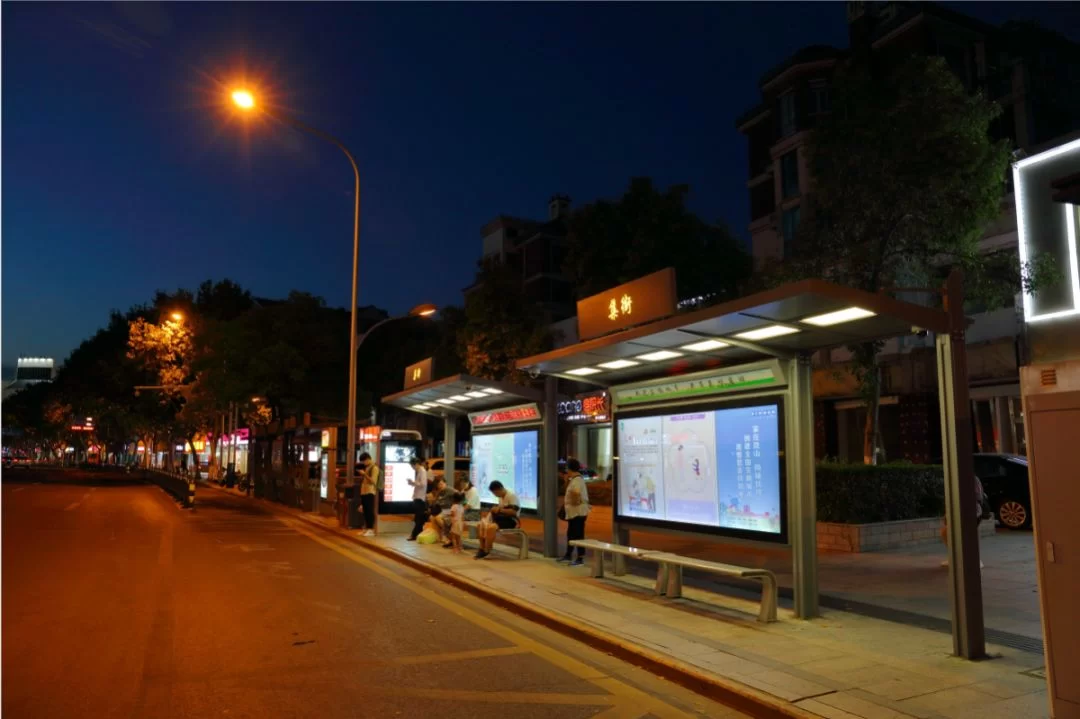
Illumination is a critical consideration for awning and canopy signs, as it enhances visibility, brand impact, and safety after dark, and it can significantly increase the marketing effectiveness of the awning. The following are the most common illumination options for awnings and canopies:
1. LED Strip Lighting (Valance / Edge Lighting)
LED strip lighting (also called LED tape light or linear LED lighting) is the most common and versatile illumination option for awnings and canopies, consisting of flexible strips of LED lights mounted along the front edge (valance) of the awning or under the canopy, providing a clean, uniform line of light that highlights the awning edge and illuminates the entrance/walkway below. LED strip lighting is available in various colors (warm white, cool white, RGB color-changing), brightness levels, and waterproof ratings (IP65 or higher for outdoor use), and it can be easily cut to length and customized to fit any awning size or shape.
Advantages: Energy-efficient, long-lasting (50,000+ hour lifespan), low heat output, flexible and easy to install, available in various colors and brightness levels, creates a clean, modern, uniform line of light. Can be used for both fabric awnings (mounted along the valance edge) and aluminum canopies (mounted along the front edge or under the canopy).
Best for: Modern awnings and canopies, entrance illumination, highlighting the awning edge, creating a clean, contemporary appearance. RGB color-changing LED strips are popular for restaurants, bars, and entertainment venues that want to create a dynamic, festive atmosphere.
2. Downlights / Under-Canopy Lighting
Downlights (also called under-canopy lights, pendant lights, or recessed lights) are mounted under the awning or canopy, shining downward to illuminate the entrance, walkway, or outdoor seating area below. Downlights can be recessed into the canopy structure (for a clean, hidden look) or surface-mounted (for a more visible, decorative look), and they are available in various styles (LED panels, spotlights, pendant lights, track lighting) and brightness levels.
Advantages: Provides functional illumination for entrances, walkways, and outdoor seating areas (enhancing safety and customer comfort), creates a warm, inviting atmosphere, can be dimmed or controlled for different moods and times of day, available in various styles to match the awning/canopy design. For aluminum canopies, downlights can be seamlessly integrated into the metal structure for a clean, professional look.
Best for: Entrance canopies, walkway canopies, restaurant outdoor seating areas, hotel entrances, retail store entrances. Downlights are particularly valuable for awnings/canopies that cover entrances or outdoor areas where functional illumination is needed for safety and customer comfort.
3. Backlit / Translucent Awning Lighting
Backlit awning lighting (also called internal illumination or light box awning) involves installing LED lights inside the awning structure, behind a translucent fabric or acrylic panel, creating a glowing, illuminated effect that makes the awning visible from a distance and highlights the graphics and lettering on the valance. Backlit awnings are typically constructed with a translucent fabric (e.g., vinyl-coated polyester, acrylic-coated fabric) or an acrylic fascia panel, with LED lights mounted inside the awning frame to illuminate the panel from behind.
Advantages: Creates a dramatic, glowing, high-visibility effect that stands out at night, illuminates the awning graphics and lettering for maximum brand impact, provides a uniform, diffused light that is easy on the eyes, can be used for both fabric awnings (translucent fabric) and aluminum canopies (acrylic fascia panels). Backlit awnings are particularly effective for businesses that want a prominent, eye-catching sign after dark.
Best for: Restaurants, bars, retail stores, entertainment venues, hotels, and any business that wants a dramatic, high-visibility awning sign after dark. Backlit awnings are particularly popular in high-traffic commercial areas, shopping districts, and entertainment districts where standing out at night is important.
Considerations: Backlit awnings require a translucent fabric or acrylic panel (which may be more expensive than standard fabric), and the internal LED lights need to be properly designed and installed to ensure uniform illumination (no hot spots or dark areas) and to protect the lights from moisture and weather. Backlit awnings also require access panels for maintenance and bulb/LED replacement, and the translucent fabric may need to be replaced more frequently than standard fabric due to the heat and light exposure from the internal LEDs.
4. External Spotlights / Uplights
External spotlights (also called uplights, floodlights, or accent lights) are mounted on the building facade, ground, or awning frame, shining onto the awning from the outside to illuminate the awning surface and graphics. Spotlights are typically used for fabric awnings (where internal illumination is more difficult) or for awnings with complex graphics or patterns that benefit from external illumination.
Advantages: Easy to install and maintain (no need to access the inside of the awning), can be used to illuminate specific areas of the awning (e.g., the valance graphics), available in various colors and beam angles (narrow spot for focused illumination, wide flood for general illumination), can be easily adjusted or replaced. External spotlights are a cost-effective option for illuminating fabric awnings without the complexity and cost of internal backlighting.
Best for: Fabric awnings, historic buildings, awnings with complex graphics or patterns, businesses on a budget that want awning illumination without the cost of internal backlighting. External spotlights are also useful for highlighting specific architectural features or branding elements on the awning.
Considerations: External spotlights can create glare or uneven illumination (if not properly positioned), and they may be visible (detracting from the clean appearance of the awning). Spotlights also require regular maintenance (cleaning, bulb/LED replacement) and may be more susceptible to damage or vandalism (if mounted at ground level). To minimize glare and ensure uniform illumination, use spotlights with appropriate beam angles, position them at the correct angle (typically 30–45 degrees to the awning surface), and use shields or louvers to direct the light onto the awning and prevent glare into customers’ eyes.
5. Integrated Illuminated Signage
In addition to awning illumination, integrated illuminated signage (channel letters, push-through letters, light box signs (including custom flat LED light boxes), digital displays) can be mounted on the awning or canopy fascia, providing a durable, high-visibility branding solution that is illuminated day and night. Integrated illuminated signage is particularly popular for aluminum canopies (which provide a secure, weather-resistant mounting surface) and for businesses that want a prominent, professional sign that is separate from the awning graphics.
Advantages: Provides a durable, high-visibility branding solution that is illuminated 24/7, can be customized with the business name, logo, or both, integrates seamlessly with the awning/canopy design (particularly for aluminum canopies), provides consistent illumination regardless of awning type or material. Integrated illuminated signage can also be used in combination with awning illumination (LED strips, downlights) for a comprehensive, multi-layered lighting design.
Best for: Aluminum canopies, modern buildings, high-end retail, hotels, restaurants, and any business that wants a prominent, durable, illuminated sign integrated with its awning or canopy.
Illumination Design Best Practices
- Use LED lighting: LED lighting is the standard for awning and canopy illumination due to its energy efficiency, long lifespan, low heat output, and versatility. Avoid halogen or incandescent lighting, which is less energy-efficient, generates more heat, and requires more frequent replacement.
- Choose the right color temperature: For most commercial applications, warm white LED lighting (2700K–3500K) creates a welcoming, inviting atmosphere that complements fabric awnings and traditional architecture. For modern or high-tech applications, neutral white (4000K) or cool white (5000K–6500K) can create a clean, contemporary, high-tech appearance. RGB color-changing LEDs are popular for restaurants, bars, and entertainment venues that want dynamic, festive lighting.
- Ensure uniform illumination: For backlit awnings or illuminated fascia panels, ensure the LED lights are properly spaced and positioned to provide uniform illumination across the entire panel, with no hot spots (bright areas) or dark spots (dim areas). Use diffusers or light guides if needed to ensure even light distribution.
- Comply with local lighting regulations: Many municipalities have lighting regulations that limit awning/canopy illumination brightness, hours of operation, and light pollution (particularly in residential areas or historic districts). Always check local lighting regulations and obtain the necessary permits before installing illuminated awnings or canopies. Our guide to outdoor sign permits and zoning provides additional information on sign and lighting regulations.
- Consider energy efficiency and controls: Use energy-efficient LED lighting and consider adding controls (timers, photocells, dimmers, motion sensors) to reduce energy consumption and ensure the lights are only on when needed. Photocells (which automatically turn the lights on at dusk and off at dawn) are particularly useful for awning/canopy illumination, as they ensure the lights are on during the evening and off during the day without manual operation.
- Plan for maintenance and access: Design the awning/canopy illumination with maintenance in mind, ensuring that LED lights, drivers, and electrical components are easily accessible for inspection, cleaning, and replacement. For backlit awnings or integrated illumination, include access panels or removable sections to allow maintenance without removing the entire awning or canopy.
Installation, Maintenance, and Durability
Installation Considerations
Proper installation is critical to the appearance, durability, and safety of awnings and canopies. The following are key installation considerations:
- Structural engineering: For aluminum canopies, large fabric awnings, or awnings in high-wind or heavy-snow areas, a licensed structural engineer should design the awning/canopy structure and mounting to ensure it can withstand local wind loads (per ASCE 7 or local building code), snow loads, and dead loads (the weight of the awning itself). The building facade must also be evaluated to ensure it can support the awning/canopy loads (particularly for older buildings or buildings with weak facade materials).
- Mounting and attachment: Awnings and canopies must be securely mounted to the building facade using appropriate hardware (lag bolts, expansion anchors, through-bolts) that is compatible with the building facade material (brick, concrete, wood, steel, stucco). For aluminum canopies or large awnings, additional support (e.g., support columns, rods, cables) may be required to ensure structural stability. All mounting hardware should be corrosion-resistant (stainless steel, galvanized steel) to prevent rust and deterioration.
- Permits and inspections: Most municipalities require a building permit or sign permit for awning and canopy installation, particularly for awnings that project over public sidewalks, are illuminated, or are larger than a certain size. Always check local building codes and sign regulations, obtain the necessary permits before installation, and schedule any required inspections (structural, electrical, final) after installation. Our guide to outdoor sign permits and zoning provides additional information on the permit process.
- Electrical installation: For illuminated awnings or canopies, a licensed electrician should install the electrical wiring, drivers, and controls, ensuring compliance with the National Electrical Code (NEC) and local electrical codes. All electrical components should be rated for outdoor use (wet or damp location), and wiring should be properly protected (in conduit or raceways) to prevent damage and ensure safety. Ground fault circuit interrupter (GFCI) protection should be used for all outdoor electrical circuits to prevent electrocution hazards.
- Drainage and water management: Awnings and canopies should be designed with proper drainage to prevent water from pooling on the awning/canopy surface (which can cause sagging, stretching, or damage to fabric awnings, or corrosion and leaks for aluminum canopies). Fabric awnings should have a slight slope (minimum 1/4 inch per foot) to allow water to run off, and aluminum canopies should have integrated gutters or drainage channels to direct water away from the building and entrance. Ensure downspouts or drainage outlets are positioned to direct water away from the building foundation and pedestrian walkways.
- Professional installation: For most commercial awning and canopy projects, professional installation by an experienced awning installer or sign company is recommended. Professional installers have the experience, tools, and expertise to ensure a proper, safe, and visually appealing installation, particularly for aluminum canopies, large storefront awnings, illuminated awnings, or complex custom designs. While DIY installation is possible for small, simple fabric awnings, professional installation is worth the cost for most commercial projects to ensure safety, durability, and a professional result.
Maintenance and Durability
Regular maintenance extends the lifespan and preserves the appearance of awnings and canopies. The following are maintenance recommendations for fabric awnings and aluminum canopies:
Fabric awning maintenance:
- Regular cleaning: Clean fabric awnings 2–4 times per year (or more frequently in dusty, humid, or high-pollution areas) using a mild, non-abrasive soap (e.g., Woolite, Dawn dish soap) and warm water. Apply the solution with a soft brush or sponge, gently scrubbing to remove dirt and stains, then rinse thoroughly with clean water (using a garden hose with a gentle spray, not a pressure washer). Allow the awning to dry completely before retracting (for retractable awnings) to prevent mold and mildew growth.
- Stain removal: For specific stains (mold, mildew, bird droppings, tree sap, grease), use a specialized fabric cleaner or a mild bleach solution (1 part bleach to 10 parts water) applied with a soft brush. Test the cleaner on a small, inconspicuous area first to ensure it does not damage or discolor the fabric. Avoid using harsh chemicals, solvents, or abrasive cleaners, which can damage the fabric coating and reduce its water resistance and UV protection.
- Inspection: Inspect fabric awnings regularly (quarterly) for signs of wear, damage, or deterioration, including tears, holes, fraying, fading, mold/mildew, loose stitching, sagging, or damaged hardware (frame, brackets, motors, mechanisms). Address any issues promptly—small tears can be repaired with fabric repair tape or by a professional awning repair service, while larger tears or significant fading may require fabric replacement.
- Retractable awning maintenance: For retractable awnings, lubricate the moving parts (hinges, arms, rollers) annually with a silicone-based lubricant (avoid oil-based lubricants, which can attract dirt and dust). Inspect the motor (for motorized awnings) annually, ensuring it operates smoothly and quietly, and replace the remote control batteries as needed. Retract the awning during high winds, heavy snow, or severe storms to prevent damage, and never retract a wet awning (allow it to dry completely first to prevent mold and mildew).
- Fabric replacement: When the fabric becomes significantly faded, worn, torn, or moldy (typically after 5–10 years, depending on fabric quality, climate, and maintenance), the fabric cover can be replaced (without replacing the frame) by a professional awning service. Fabric replacement is more cost-effective than replacing the entire awning, and it allows you to update the colors, patterns, or graphics if desired.
Aluminum canopy maintenance:
- Annual cleaning: Clean aluminum canopies annually (or more frequently in dusty or coastal areas) using a mild soap and warm water solution, applied with a soft brush or sponge, then rinsed thoroughly with clean water. For the powder-coated finish, avoid using abrasive cleaners, scouring pads, or harsh chemicals (bleach, solvents, acids), which can scratch or damage the powder coating. For stubborn stains or dirt, use a specialized aluminum cleaner or a mild degreaser applied with a soft cloth.
- Inspection: Inspect aluminum canopies annually for signs of damage or deterioration, including scratches or chips in the powder coating (which can lead to corrosion if left untreated), loose or corroded mounting hardware, clogged drainage channels/gutters, damaged or non-functional lighting, and any structural issues (sagging, bending, loose connections). Address any issues promptly—small scratches or chips in the powder coating can be touched up with a matching touch-up paint pen or spray; loose hardware should be tightened or replaced; clogged drainage should be cleared to prevent water pooling and corrosion.
- Lighting maintenance: Inspect the canopy lighting (LED strips, downlights, illuminated signage) annually, replacing any burned-out LEDs or drivers, cleaning the light fixtures and lenses, and ensuring all electrical connections are secure and weatherproof. LED lighting has a long lifespan (50,000+ hours), but individual LEDs or drivers may fail over time and need replacement. For integrated or hard-to-access lighting, consider hiring a professional electrician or sign service for maintenance and replacement.
- Corrosion protection: Aluminum is naturally corrosion-resistant (it forms a protective oxide layer when exposed to air), but in coastal areas (salt air) or areas with high pollution, the powder coating should be inspected regularly for chips or scratches, and any exposed aluminum should be touched up promptly to prevent corrosion. For coastal installations, consider using marine-grade aluminum (5052 or 6061) and stainless steel hardware for maximum corrosion resistance.
- Longevity: With proper maintenance, aluminum canopies can last 20–30+ years, with the powder coating retaining its color and finish for 15–20+ years (depending on color, climate, and maintenance). When the powder coating becomes significantly faded or chalky (typically after 15–20 years), the canopy can be repainted or re-powder-coated (by a professional powder coating service) to restore its appearance, extending the lifespan of the canopy for many more years.
Hongbo Sign Awning and Canopy Sign Solutions
At Hongbo Sign, we design and manufacture high-quality custom awning signs and canopy signs for retail stores, restaurants, cafes, salons/spas, hotels, office buildings, and service businesses. With over a decade of experience in commercial signage manufacturing and a deep understanding of the unique requirements of awning and canopy signage (material selection, structural design, illumination integration, branding, regulatory compliance), we deliver high-quality, durable, visually striking awning and canopy signs that enhance your storefront, reinforce your brand, and provide valuable shade and weather protection for your customers.
- Comprehensive product range: We offer a full range of awning and canopy sign products, including traditional fabric awnings (retractable, fixed, dome, waterfall, concave/convex, window, entrance, storefront), aluminum canopies (standing seam, flat panel, walkway, entrance, solar), hybrid awnings (fabric + metal combinations), backlit/illuminated awnings, marquee awnings, and custom architectural canopies. We also offer integrated signage and lettering for awnings and canopies, including illuminated channel letters, push-through letters, light box signs, hanging/blade signs, and digital displays.
- Custom design services: We offer comprehensive custom design services for awning and canopy signs, working with you to understand your brand identity, building architecture, functional requirements (shade, weather protection, signage visibility), and budget, and creating custom awning/canopy designs that meet your specific needs and aesthetic preferences. Our design team can create everything from simple fabric awnings with printed graphics to complex custom architectural canopies with integrated illumination and signage. We provide digital proofs, 3D renderings, and site-specific mockups (showing the awning/canopy on your actual building) for your review and approval before production.
- High-quality materials and fabrication: We use only high-quality, commercial-grade materials for our awning and canopy signs, including premium awning fabrics (solution-dyed acrylic, vinyl-coated polyester, acrylic-coated fabric, in a wide range of colors, patterns, and opacities), marine-grade aluminum (for frames and canopies, with powder coating or anodizing in custom colors), stainless steel hardware (corrosion-resistant), and high-quality LED lighting (energy-efficient, long-lasting, weather-resistant). Our fabrication team uses precision cutting, welding, sewing, and printing techniques to ensure a high-quality, durable, and visually appealing final product.
- Illumination expertise: We specialize in awning and canopy illumination, including LED strip lighting (valance/edge lighting), downlights/under-canopy lighting, backlit/translucent awning lighting, external spotlights/uplights, and integrated illuminated signage (channel letters, push-through letters, light box signs). We can design a custom illumination solution that meets your visibility, branding, and energy efficiency goals, and we use high-quality, weather-resistant LED components and drivers for reliable, long-lasting performance. Our guide to push-through letters and guide to blade signs provide additional information on our illuminated sign capabilities.
- Structural engineering and compliance support: We provide structural engineering support for aluminum canopies and large fabric awnings, including wind load and snow load calculations (per ASCE 7 or local building code), foundation and mounting design, and structural drawings for permit applications. We also provide guidance on local building codes, sign regulations, lighting regulations, and permit requirements, and we can advise on how to design your awning/canopy to comply with applicable regulations. Our guide to outdoor sign permits and zoning provides additional information on sign regulations.
- Professional installation support: We provide comprehensive installation instructions, mounting templates, wiring diagrams, and technical support for your local awning installer or sign company. For complex projects (large canopies, custom architectural designs, integrated illumination), we can provide remote project management and technical support to coordinate installation and ensure proper structural mounting, electrical connection, and alignment. We can also work with your designated installer to ensure a smooth, professional installation process.
- Multi-location rollout capability: Whether you need awning signs for a single storefront or a multi-location retail/restaurant/hospitality rollout, we have the production capacity and project management systems to deliver consistent, high-quality awning and canopy signs across all locations. We offer centralized project management, coordinated production and shipping schedules, brand consistency controls, standardized design templates, and bulk pricing for large orders. We can also create awning/canopy design standards for your business, ensuring consistent branding and appearance across all current and future locations.
- Competitive factory-direct pricing: As a direct manufacturer, we offer competitive factory-direct pricing with no middleman markup. We provide transparent, itemized quotations with no hidden fees, and we can work with you to find cost-effective solutions that meet your budget without compromising quality, durability, or visual impact. We offer volume discounts for large orders and multi-location rollouts, and we can recommend material and design options that balance your desired appearance and functionality with your budget constraints.
We understand that awning and canopy signs are a significant investment in your storefront’s appearance, brand visibility, and customer experience, and we are committed to delivering high-quality, durable, visually striking awning and canopy signs that meet your specific needs and exceed your expectations. From initial design and consultation to fabrication, quality control, shipping, and installation support, we are with you every step of the way.
Ready to enhance your storefront with a custom awning or canopy sign? Contact us today for a free consultation and factory-direct quote. Our design team will work with you to create an awning or canopy sign that reflects your brand, complements your building, and provides valuable shade and weather protection for your customers.