

The Power of Pedestrian-Level Signage
Blade signs and projecting signs help businesses in dense urban environments, pedestrian-friendly shopping districts, and bustling restaurant rows stand out from the crowd and attract customers. While building-mounted fascia signs and awning signs are visible from the front, they can be easily missed by pedestrians walking parallel to the storefront, particularly in areas with crowded sidewalks, street trees, or other obstructions. Blade signs and projecting signs solve this problem by extending perpendicular to the building facade, projecting out over the sidewalk, and making the business visible to pedestrians approaching from either direction. This simple but effective positioning can increase foot traffic by 20–50% for businesses in high-pedestrian areas, as the sign is visible to people walking past the storefront who would otherwise not see a traditional flat wall sign.
Blade signs (also called projecting signs, hanging signs, or wall-mounted projecting signs) have a long history, dating back to medieval times when shopkeepers hung carved wooden signs to identify their trades to an largely illiterate public. Today, blade signs have evolved into a versatile, modern signage solution that combines traditional charm with contemporary materials and illumination options. They are particularly popular for independent retail stores, boutique shops, restaurants, cafes, bars, salons, galleries, and professional offices in urban or pedestrian-friendly areas, where they add character, improve visibility, and create a welcoming, street-level presence.
This guide provides a comprehensive overview of blade signs and projecting signs, covering the different types and styles available, materials and construction, illumination options, mounting methods, regulatory requirements, design best practices, and how pedestrian-level signage can drive foot traffic and conversions for your business. Whether you are opening a new storefront, upgrading your existing signage, or looking for ways to improve visibility in a high-pedestrian area, this guide will help you understand the benefits and considerations of blade signs and projecting signs.
Types and Styles of Blade Signs and Projecting Signs
Blade signs and projecting signs come in a wide range of types and styles, from traditional wooden hanging signs to modern, sleek, illuminated projecting signs. Understanding the different options helps you choose the style that best matches your brand identity, building architecture, and budget.
1. Traditional Hanging Blade Signs
Traditional hanging blade signs are the classic, timeless style, consisting of a flat sign panel suspended from a metal bracket or arm that extends from the building facade. The sign panel hangs vertically (perpendicular to the building), displaying the business name or logo on both sides (so it is visible from both directions of pedestrian traffic). Traditional hanging blade signs are typically made from wood, metal, or acrylic, with painted or vinyl graphics, and are often used by businesses seeking a classic, charming, or vintage aesthetic (cafes, bakeries, boutiques, pubs, galleries).
Key features:
- Sign panel suspended from a bracket or arm (typically decorative metal brackets for traditional styles)
- Double-sided display (visible from both directions)
- Wide range of materials (wood, metal, acrylic, composite)
- Can be illuminated (with spotlights, edge lighting, or internal illumination) or non-illuminated
- Classic, charming, vintage aesthetic
- Relatively economical compared to other projecting sign types
2. Modern Projecting Signs (Wall-Mounted)
Modern projecting signs are a contemporary take on the blade sign, consisting of a rigid sign panel or box mounted directly to a metal bracket or frame that extends from the building facade. Unlike hanging signs (which swing freely), modern projecting signs are rigidly mounted, creating a clean, sleek, modern appearance. They are typically made from aluminum, stainless steel, or acrylic, with painted, vinyl, or illuminated graphics, and are popular for modern retail stores, restaurants, professional offices, and tech businesses seeking a clean, contemporary aesthetic.
Key features:
- Rigid sign panel or box mounted to a bracket/frame extending from the building
- No swinging movement (rigidly mounted for a clean, stable appearance)
- Double-sided display (visible from both directions)
- Modern materials (aluminum, stainless steel, acrylic, glass)
- Often illuminated (backlit, edge-lit, or front-lit LED)
- Clean, sleek, modern aesthetic
- Can be custom-shaped (curved, angled, irregular) for unique designs
3. Illuminated Blade Signs (Light Box / Backlit)
Illuminated blade signs (also called light box projecting signs or backlit blade signs) use an internally illuminated sign box (similar to a traditional light box sign) mounted to a projecting bracket, providing 24/7 visibility and a bright, eye-catching appearance. Illuminated blade signs are typically constructed from an aluminum frame with translucent acrylic faces on both sides, with LED modules inside illuminating the graphics. They are ideal for businesses that operate in the evening or at night (restaurants, bars, cafes, retail stores), or for locations where maximum visibility is desired.
Key features:
- Internally illuminated sign box (LED modules inside, illuminating translucent acrylic faces)
- Double-sided illumination (visible from both directions, day and night)
- Bright, uniform illumination with no dark spots or hot spots
- Aluminum frame with powder coating (durable, weather-resistant)
- Translucent acrylic faces with vinyl graphics or digitally printed graphics
- Available in standard rectangular shapes or custom shapes
- Higher cost than non-illuminated blade signs, but superior nighttime visibility
- Requires electrical power and wiring, and may require an electrical permit
4. Edge-Lit / Side-Lit Blade Signs
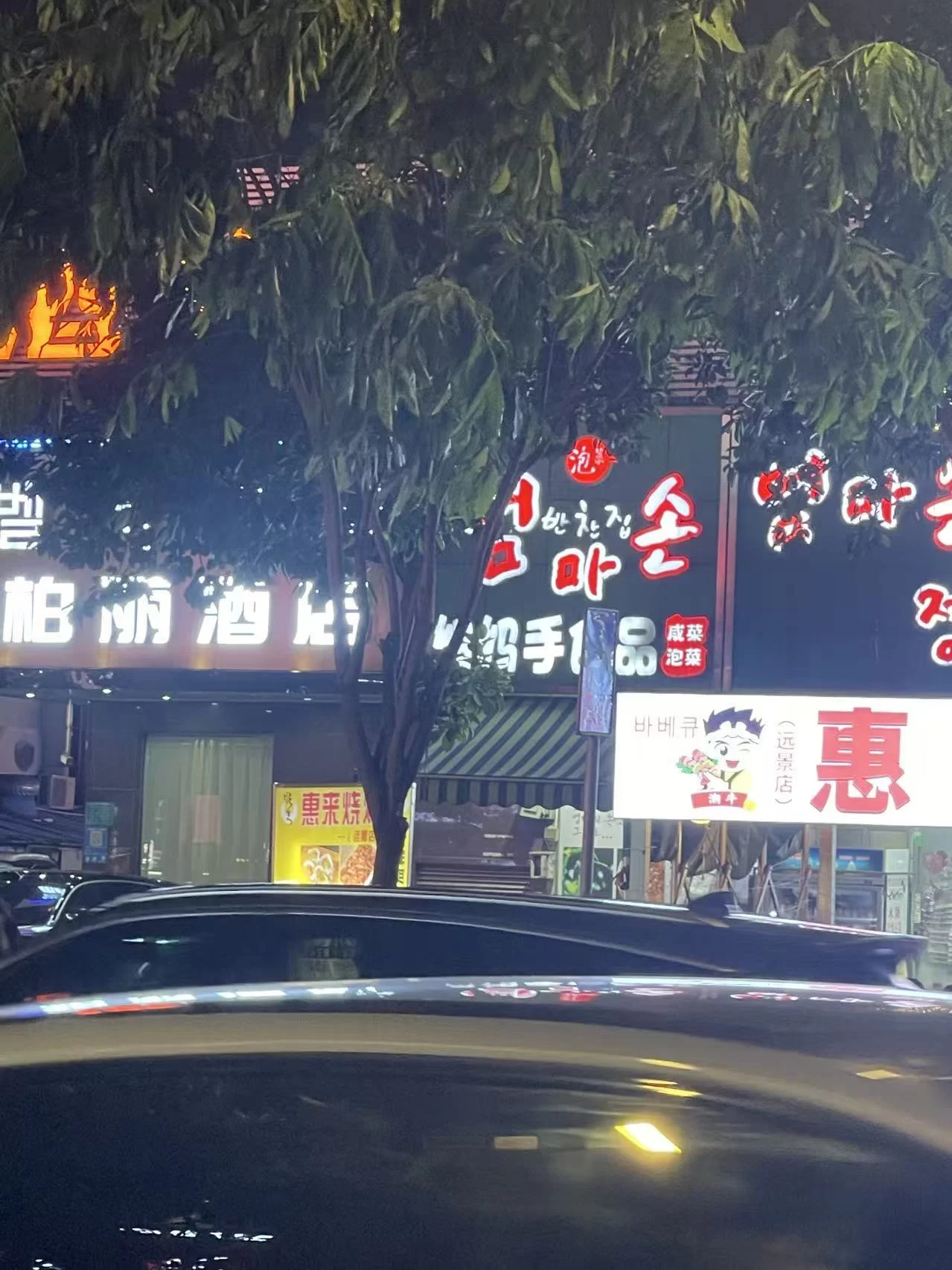
Edge-lit or side-lit blade signs use LEDs mounted along the edges of a clear acrylic panel, with light traveling through the acrylic via total internal reflection and exiting through etched or printed graphics on the panel surface. Edge-lit blade signs create a sleek, modern, high-tech appearance, with graphics that appear to glow against the clear acrylic background. They are popular for modern retail stores, restaurants, salons, tech businesses, and corporate lobbies, where a contemporary, premium appearance is desired.
Key features:
- Clear acrylic panel with edge-mounted LEDs (top, bottom, or sides)
- Graphics etched or printed on the acrylic, glowing when illuminated
- Sleek, modern, high-tech appearance with a minimalist aesthetic
- Double-sided display (graphics on both sides of the acrylic, or single-sided with a clear back)
- Low energy consumption and long LED lifespan
- Thin, lightweight profile (typically 1/2″–1″ thick)
- Can be wall-mounted with a projecting bracket or hung from the ceiling
- Higher cost than standard blade signs due to specialized fabrication and LED integration
- Best for indoor or covered outdoor locations (edge-lit acrylic may be less durable in harsh outdoor environments)
5. 3D Channel Letter Blade Signs
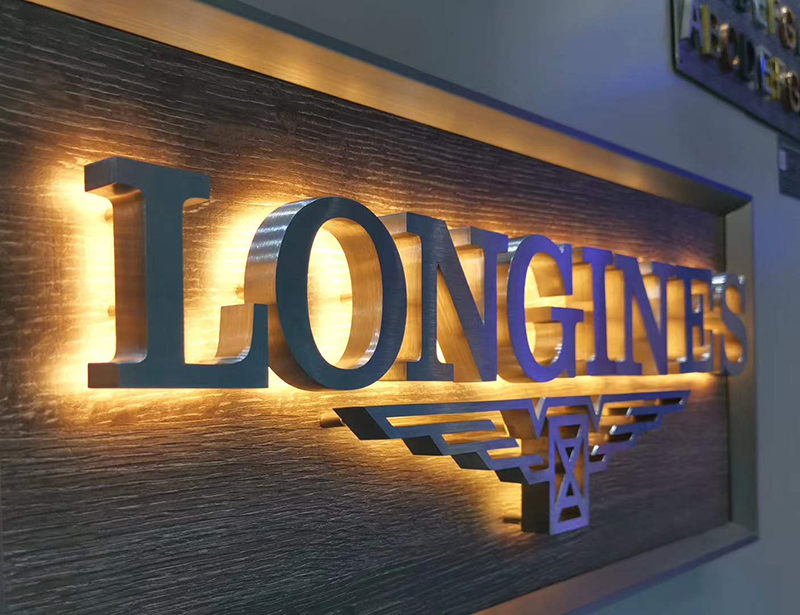
3D channel letter blade signs combine the dimensional appearance of channel letters with the projecting format of a blade sign, consisting of individual 3D illuminated letters (or a logo) mounted to a projecting panel or bracket. This creates a premium, dimensional appearance that stands out from flat blade signs, with the letters visible from both directions. 3D channel letter blade signs are ideal for businesses seeking a high-end, distinctive appearance (luxury retail, upscale restaurants, boutique hotels, professional services).
Key features:
- Individual 3D channel letters (front-lit, backlit/halo-lit, or combination) mounted to a projecting panel or bracket
- Dimensional, premium appearance with depth and shadow effects
- Double-sided display (letters on both sides of the panel, or single-sided with a solid back panel)
- Wide range of customization options (letter font, size, color, illumination type)
- Higher cost than flat blade signs due to the complexity of fabricating individual channel letters
- Requires electrical power and wiring for illuminated letters
- Best for businesses seeking a distinctive, high-end appearance
6. Hanging Signs (Ceiling-Mounted / Suspended)
While most blade signs are wall-mounted, some projecting signs are suspended from the ceiling or an overhead structure (e.g., an awning, canopy, or architectural overhang), hanging vertically over the sidewalk or entrance. Hanging signs are similar to traditional hanging blade signs but are suspended from above rather than mounted to a wall bracket. They are commonly used in shopping malls, covered walkways, transit stations, and buildings with architectural overhangs, where wall mounting is not possible or where a suspended sign creates a more attractive appearance.
Key features:
- Sign panel suspended from an overhead structure (ceiling, awning, canopy, overhang)
- Hangs vertically, visible from both directions
- Can be non-illuminated or illuminated (internal LED, edge-lit, or spotlight)
- Decorative chains, rods, or cables for suspension (adds to the aesthetic)
- Ideal for covered walkways, malls, transit stations, and buildings with overhangs
- May be subject to different regulations than wall-mounted projecting signs (height, clearance, location)
7. Changeable / Letter Board Blade Signs
Changeable blade signs (also called letter board signs or reader board signs) allow the sign content to be updated manually by changing individual letters or tiles, making them ideal for businesses that want to display changing messages (daily specials, promotions, events, hours). Changeable blade signs are typically constructed with a track system that holds individual plastic or metal letters, and they are available in both non-illuminated and illuminated versions. They are popular for restaurants, cafes, bars, churches, schools, and community organizations.
Key features:
- Track system holding individual changeable letters/tiles
- Manual content updates (no electricity or digital system required)
- Double-sided display (visible from both directions)
- Available in non-illuminated or illuminated versions
- Economical and flexible for changing messages
- Letters can be lost, damaged, or stolen (requiring replacement)
- Manual updates can be time-consuming and prone to spelling errors
- Less modern appearance than digital or fixed-graphic blade signs
Materials and Construction of Blade Signs
The materials and construction of a blade sign significantly impact its appearance, durability, maintenance requirements, and cost. Understanding the different material options helps you choose the right combination for your specific application, budget, and aesthetic preferences.
Sign Panel Materials
- Wood: Traditional, natural, and warm, wood is a popular choice for traditional hanging blade signs, particularly for businesses seeking a rustic, vintage, or artisanal aesthetic (cafes, bakeries, boutiques, pubs). Common wood types include cedar, redwood, oak, maple, and MDO (medium density overlay, a plywood with a resin-impregnated surface suitable for outdoor use). Wood signs can be carved, routed, painted, or finished with vinyl graphics. However, wood requires regular maintenance (sealing, painting, refinishing) to prevent rot, warping, and insect damage, and it may not be suitable for harsh outdoor environments without proper protection.
- Aluminum: The most common and versatile material for modern blade signs, aluminum is lightweight, durable, corrosion-resistant, and available in a wide range of finishes (powder coating, anodizing, brushed, polished). Aluminum blade signs can be fabricated as flat panels, sign boxes (for illuminated signs), or custom shapes, and they can be finished with paint, vinyl graphics, or digitally printed graphics. Aluminum is low-maintenance, weather-resistant, and suitable for both indoor and outdoor applications. It is also 100% recyclable, making it a sustainable choice.
- Stainless steel: A premium, high-end material with a sleek, modern appearance and excellent corrosion resistance (particularly 316 stainless steel for coastal or harsh environments). Stainless steel blade signs can be brushed, polished, or powder-coated, and they are often used for luxury retail, upscale restaurants, and corporate environments. Stainless steel is more expensive than aluminum but offers superior durability and a premium aesthetic.
- Acrylic (Plexiglas / Perspex): A versatile, lightweight plastic available in a wide range of colors, transparencies, and finishes. Acrylic is commonly used for blade sign faces (particularly for illuminated signs, where translucent acrylic allows light to pass through), edge-lit signs, and modern projecting signs. Acrylic can be cut, routed, engraved, printed, or finished with vinyl graphics. It is weather-resistant and low-maintenance, but it can scratch more easily than metal and may yellow over time with prolonged UV exposure (UV-stabilized acrylic is available for outdoor use).
- Aluminum Composite Material (ACM / Dibond): A flat panel consisting of two thin aluminum sheets bonded to a polyethylene core, ACM is lightweight, rigid, flat, and available in a wide range of colors and finishes. ACM is commonly used for non-illuminated blade sign panels, as it provides a smooth, flat surface for graphics and is more economical than solid aluminum. ACM is weather-resistant and low-maintenance, but it is less durable than solid aluminum (the polyethylene core can be damaged by impact or fire, and the aluminum skins can delaminate over time in harsh environments).
- PVC (Foam PVC / Sintra): A lightweight, rigid foam plastic available in various thicknesses and colors, PVC is commonly used for indoor blade signs or short-term outdoor signs. PVC is economical, easy to cut and fabricate, and can be finished with paint or vinyl graphics. However, PVC is less durable than metal or acrylic for long-term outdoor use (it can warp, fade, or become brittle with prolonged UV exposure), and it is not as environmentally friendly (PVC is difficult to recycle and may release toxic chemicals when burned).
- Glass: A premium, high-end material with a sleek, modern appearance and excellent clarity. Glass is sometimes used for edge-lit blade signs or high-end projecting signs, where its clarity and premium feel are desired. Glass is durable and scratch-resistant but heavy, fragile, and more expensive than acrylic or metal. It is typically used for indoor or protected outdoor applications.
Bracket and Mounting Hardware Materials
- Steel (wrought iron / mild steel): The most common material for traditional blade sign brackets, steel is strong, durable, and can be fabricated into decorative or ornate designs (wrought iron brackets for traditional/vintage styles). Steel brackets are typically powder-coated or painted to prevent rust and corrosion. For outdoor use, galvanized steel (zinc-coated for corrosion resistance) is recommended, with a powder-coated or painted finish for aesthetic purposes.
- Stainless steel: A premium, corrosion-resistant material for modern blade sign brackets, stainless steel is strong, durable, and available in brushed or polished finishes. Stainless steel brackets are more expensive than steel but offer superior corrosion resistance (particularly 316 stainless for coastal areas) and a sleek, modern appearance. They require minimal maintenance and will not rust or corrode.
- Aluminum: A lightweight, corrosion-resistant material for blade sign brackets, aluminum is commonly used for modern projecting signs where weight is a concern (e.g., for signs mounted to delicate facades or overhead structures). Aluminum brackets are typically powder-coated or anodized for durability and aesthetic purposes. Aluminum is weaker than steel or stainless steel, so brackets may need to be thicker or reinforced for larger or heavier signs.
- Brass / bronze: Premium, decorative metals used for high-end or traditional blade sign brackets, brass and bronze offer a warm, classic appearance that patinas beautifully over time. Brass and bronze brackets are more expensive than steel or aluminum and require regular polishing to maintain their shine (unless a patina finish is desired). They are commonly used for luxury retail, historic buildings, and upscale restaurants.
Graphic Application Methods
- Vinyl graphics: The most common and economical method for applying graphics to blade signs, vinyl graphics use adhesive-backed vinyl film cut to the desired text/logo shape and applied to the sign panel. Vinyl graphics are available in a wide range of colors (including metallic and translucent options), and they can be applied to flat metal, acrylic, or ACM panels. Vinyl graphics are durable (5–7 years outdoor lifespan for premium vinyl), easy to replace (if the logo or information changes), and suitable for most standard applications. For illuminated signs, translucent vinyl is used to allow light to pass through the graphics.
- Digital printing: For complex graphics, photographs, or full-color designs, digital printing (using UV-curable inks or solvent inks) directly onto the sign panel (or onto a vinyl film that is then laminated to the panel) provides high-quality, full-color graphics with photographic detail. Digital printing is ideal for signs with complex logos, gradients, or photographic elements, and it offers unlimited color options. Laminated digital prints have an outdoor lifespan of 5–7 years (similar to vinyl graphics), and they can be easily replaced if needed.
- Painted / hand-painted graphics: For traditional or vintage-style blade signs, hand-painted graphics (using sign enamel or latex paint) provide a classic, artisanal appearance that cannot be replicated by vinyl or digital printing. Hand-painted signs are more expensive and time-consuming than vinyl or digital graphics, and they require regular touch-ups and maintenance (particularly for outdoor signs). However, they offer a unique, charming, and authentic appearance that is highly valued by businesses seeking a vintage or artisanal aesthetic (cafes, bakeries, boutiques, pubs).
- Carved / routed graphics: For wooden or acrylic blade signs, graphics can be carved or routed into the sign panel (creating a recessed or raised 3D effect), then painted or finished for contrast. Carved/routed graphics provide a dimensional, premium appearance and are commonly used for traditional wooden signs, upscale restaurants, and professional offices. Carved/routed graphics are more expensive than flat graphics but offer a distinctive, high-end appearance.
- 3D letters / logos: For premium blade signs, individual 3D letters or logos (fabricated from metal or acrylic) can be mounted to the sign panel, creating a dimensional, eye-catching appearance. 3D letters can be non-illuminated or illuminated (front-lit, backlit/halo-lit), and they provide a premium, high-end appearance that stands out from flat graphics. Our guide to push-through letters and channel letter guides provide additional information on 3D illuminated letter options.
Illumination Options for Blade Signs
While many blade signs are non-illuminated (relying on daylight and ambient street lighting for visibility), illuminated blade signs offer superior nighttime visibility and can significantly increase customer attraction for businesses that operate in the evening or at night. Several illumination options are available for blade signs, each creating a different visual effect and offering different advantages and limitations.
1. Non-Illuminated (with External Lighting)
Non-illuminated blade signs rely on external lighting (spotlights, floodlights, or gobo lights) directed at the sign face for nighttime visibility, or they may be unlit (visible only during daylight hours). External lighting is the most economical illumination option and is commonly used for traditional wooden blade signs, historic buildings, or areas where internal illumination is prohibited or not practical.
Advantages: Lower cost than internally illuminated signs; no electrical wiring required in the sign itself; suitable for historic or traditional aesthetics; easy to install and maintain.
Limitations: Less uniform illumination than internal lighting (may have hot spots or shadows); external light fixtures may be visible or obtrusive; less bright and eye-catching than internally illuminated signs; may not be sufficient for high-traffic or high-visibility locations.
2. Internal Illumination (Light Box / Backlit)
Internally illuminated blade signs (light box signs) use LED modules inside the sign box to illuminate translucent acrylic faces on both sides, providing bright, uniform illumination that is visible from both directions. Internal illumination is the most common and effective illumination method for blade signs, offering superior nighttime visibility and a clean, modern appearance.
Advantages: Bright, uniform illumination with no dark spots or hot spots; double-sided visibility; clean, modern appearance; wide range of LED color options (white, warm white, cool white, colored, RGB); energy-efficient LED technology with long lifespan; suitable for most commercial applications.
Limitations: Higher cost than non-illuminated signs; requires electrical power and wiring (and may require an electrical permit); sign box is thicker and more bulky than flat non-illuminated signs; may be subject to local lighting regulations (brightness limits, hours of operation).
3. Edge-Lit / Side-Lit
Edge-lit blade signs use LEDs mounted along the edges of a clear acrylic panel, with light traveling through the acrylic and exiting through etched or printed graphics on the panel surface. Edge-lit signs create a sleek, modern, high-tech appearance with graphics that appear to glow against the clear acrylic background.
Advantages: Sleek, modern, minimalist appearance; thin, lightweight profile; graphics appear to float/glow against clear background; low energy consumption; unique, eye-catching visual effect.
Limitations: Higher cost than standard internally illuminated signs due to specialized fabrication; best for indoor or covered outdoor locations (edge-lit acrylic may be less durable in harsh outdoor environments); less bright than standard light box signs; graphics must be etched or printed on the acrylic (not as easy to change as vinyl graphics); may not be suitable for complex or detailed graphics.
4. Front-Lit 3D Letters
Blade signs with front-lit 3D channel letters use individual illuminated letters mounted to a projecting panel, with LEDs inside each letter illuminating the translucent acrylic letter face. This creates a dimensional, premium appearance with bright, individually illuminated letters.
Advantages: Dimensional, premium appearance with depth and shadow effects; bright, uniform illumination of each letter; wide range of customization options (font, size, color, illumination type); distinctive, high-end appearance that stands out from flat signs.
Limitations: Highest cost among blade sign options due to the complexity of fabricating individual channel letters; requires electrical power and wiring for each letter; thicker and heavier than flat blade signs; may require more maintenance (individual LED modules in each letter); best for businesses seeking a premium, distinctive appearance.
5. Backlit / Halo-Lit 3D Letters
Blade signs with backlit/halo-lit 3D letters use individual metal letters with LEDs mounted on the back, shining onto the sign panel behind the letters to create a subtle halo or glow effect. This creates an elegant, sophisticated, premium appearance with a subtle, non-glaring illumination.
Advantages: Elegant, sophisticated, premium appearance; subtle, non-glaring illumination; metal letter faces (brushed/polished) provide a high-end daytime appearance; reduced light pollution compared to front-lit signs; distinctive, upscale aesthetic.
Limitations: Higher cost than front-lit or flat blade signs; less visible from a distance than front-lit signs (halo effect is more subtle); requires proper spacing between letters and panel to create the halo effect; best for upscale, low-speed, pedestrian-focused locations rather than high-speed roadside visibility.
6. RGB / Color-Changing Illumination
For blade signs with internal illumination or 3D letters, RGB (red-green-blue) LEDs can be used to create color-changing illumination, allowing the sign color to be changed remotely or programmed to cycle through colors. RGB illumination is ideal for businesses that want to create a dynamic, eye-catching appearance (entertainment venues, bars, restaurants, retail stores) or that want to change colors for holidays, promotions, or brand campaigns.
Advantages: Dynamic, color-changing illumination; ability to change colors remotely or on a schedule; eye-catching, attention-grabbing appearance; versatility for promotions, holidays, or brand campaigns.
Limitations: Higher cost than single-color LED illumination; requires a controller and programming; may be subject to local regulations on animated or color-changing signage; color consistency may be less precise than single-color LEDs; may be overkill for some professional or traditional businesses.
Mounting Methods and Structural Considerations
Proper mounting is essential for blade signs and projecting signs, as they extend out from the building facade and are exposed to wind, weather, and potential impact. A secure, structurally sound mounting ensures the sign remains safe and stable, while also creating a clean, professional appearance. The following are the most common mounting methods for blade signs and projecting signs:
1. Wall-Mounted Bracket (Standard)
The most common mounting method for blade signs, a wall-mounted bracket consists of a metal bracket or arm securely attached to the building facade (using lag bolts, expansion anchors, or welded plates, depending on the facade material), with the sign panel or box mounted to the end of the bracket. The bracket may be a simple straight arm, a decorative ornate bracket (for traditional styles), or a modern frame (for contemporary styles). The bracket extends horizontally from the wall, holding the sign panel perpendicular to the building facade.
Key considerations:
- The bracket must be securely attached to the building structure (not just the facade material), using appropriate fasteners for the facade material (concrete, brick, stone, wood, metal, EIFS/stucco). For fragile or non-structural facade materials (EIFS, drywall, glass), structural backing or reinforcement may be required.
- The bracket must be engineered to support the weight of the sign and withstand local wind loads (per ASCE 7 or local building code), particularly for large or heavy signs or in high-wind areas. A structural engineer may be required to design the bracket and mounting for large signs or non-standard installations.
- The bracket should be positioned at a height that provides good visibility for pedestrians (typically 8–12 feet above the sidewalk, with the bottom of the sign at least 8 feet above the sidewalk for pedestrian clearance) while complying with local regulations on sign height and projection.
- The bracket should be designed to allow easy access for sign maintenance, bulb/LED replacement, and graphic updates. For illuminated signs, ensure electrical wiring can be routed through the bracket or along the building facade to the sign, with proper weather sealing at the entry point.
2. Through-Wall / Through-Bolt Mounting
For larger or heavier blade signs, or for installations where the facade material is not strong enough to support surface-mounted brackets, through-wall mounting (also called through-bolt mounting) may be used. This involves drilling holes through the entire wall thickness and using long bolts or threaded rods that pass through the wall, with a backing plate or washer on the interior side to distribute the load. Through-wall mounting provides a very secure, strong connection that can support heavier signs and higher wind loads.
Key considerations:
- Through-wall mounting requires access to the interior side of the wall (to install the backing plates and nuts), which may not be possible for some buildings (e.g., if the interior side is finished or inaccessible).
- The holes through the wall must be properly sealed (with caulk, gaskets, or spray foam) to prevent water intrusion and air leakage.
- Through-wall mounting may require coordination with the building owner or property manager, as it involves penetrating the building envelope.
- For historic buildings or buildings with valuable facades, through-wall mounting may not be desirable (as it creates permanent holes in the facade), and alternative mounting methods (e.g., freestanding sign, hanging sign from an overhang) may be preferred.
3. Ceiling-Mounted / Suspended
For blade signs installed under an awning, canopy, overhang, or ceiling, the sign can be suspended from above using chains, rods, or cables. Ceiling-mounted/suspended signs are common in covered walkways, shopping malls, transit stations, and buildings with architectural overhangs, where wall mounting is not possible or where a suspended sign creates a more attractive appearance.
Key considerations:
- The sign must be suspended from a structural element (ceiling joist, beam, canopy frame), not just the ceiling material (drywall, drop ceiling tiles), using appropriate fasteners and hardware.
- The suspension hardware (chains, rods, cables) must be rated for the weight of the sign and designed to prevent swinging or movement (for rigid signs, use rods or cables with turnbuckles to tension and stabilize the sign).
- The sign must be positioned at a height that provides good visibility while maintaining adequate clearance for pedestrians (typically 8–10 feet minimum clearance above the sidewalk or floor).
- For illuminated suspended signs, electrical wiring can be routed through the suspension rod or cable, or along the ceiling to the sign, with proper weather sealing for outdoor installations.
4. Freestanding / Post-Mounted
In some cases (e.g., where wall mounting is not possible, or where the business is set back from the sidewalk), a blade sign can be mounted to a freestanding post or pole positioned on the sidewalk or in front of the business. Freestanding blade signs are similar to small monument or pylon signs, with the sign panel mounted perpendicular to the post for visibility from both directions.
Key considerations:
- Freestanding blade signs require a foundation (concrete footing) to support the post and sign, and the post must be engineered to withstand wind loads and potential impact (e.g., from shopping carts, bicycles, or vehicles).
- Freestanding signs may be subject to different regulations than wall-mounted signs (setback requirements, height limits, obstruction of sidewalk/traffic visibility), and may require a separate permit.
- Freestanding signs may be more vulnerable to vandalism, theft, or damage than wall-mounted signs, as they are accessible from the ground.
- Freestanding signs are a good option when wall mounting is not possible (e.g., for businesses in historic buildings where facade penetration is prohibited, or for kiosks/carts without a permanent wall).
Structural and Safety Considerations
Regardless of the mounting method, all blade signs and projecting signs must be designed and installed to ensure structural safety and compliance with local building codes. Key structural and safety considerations include:
- Wind load engineering: Blade signs are exposed to wind loads, and the sign, bracket, and mounting must be engineered to withstand local wind speeds (per ASCE 7 or local building code), including wind gusts and turbulence caused by nearby buildings. For large signs (over 6 square feet) or in high-wind areas, a structural engineer should design the bracket and mounting.
- Weight and load capacity: The bracket and mounting hardware must be rated for the weight of the sign (including any additional load from ice, snow, or wind), and the building facade must be capable of supporting the load. For fragile or non-structural facades (EIFS, drywall, glass), structural backing or reinforcement is required.
- Pedestrian clearance: The bottom of the sign must be at least 8 feet (and in some jurisdictions 9–10 feet) above the sidewalk or walking surface to provide adequate head clearance for pedestrians and to prevent the sign from being hit by people, umbrellas, or tall objects. Always verify local regulations on minimum clearance for projecting signs.
- Projection limits: Most jurisdictions limit how far a projecting sign can extend from the building facade (typically 3–4 feet maximum, and in some areas no more than 18–24 inches), to prevent obstruction of the sidewalk, traffic visibility, or emergency access. Always verify local projection limits before designing or installing a blade sign.
- Electrical safety: For illuminated blade signs, all electrical wiring must be installed in accordance with local electrical codes (NEC/UL), using weather-resistant wiring and connectors, proper grounding, and a dedicated circuit with a disconnect switch. Electrical work should be performed by a licensed electrician, and the sign should be inspected after installation.
- Maintenance and inspection: After installation, the sign should be regularly inspected (at least annually) for loose fasteners, structural damage, corrosion, and electrical issues. Any loose or damaged components should be repaired promptly to prevent the sign from becoming a safety hazard.
Regulatory Requirements for Blade Signs and Projecting Signs
Blade signs and projecting signs are subject to specific regulations in most jurisdictions, as they extend into the public right-of-way (sidewalk) and can affect pedestrian safety, traffic visibility, and the visual character of the streetscape. Understanding and complying with these regulations is essential to avoid fines, forced removal, or denied permits. The following are the most common regulatory requirements for blade signs and projecting signs:
Sign Permits
Most jurisdictions require a sign permit before installing a blade sign or projecting sign, even for non-illuminated signs. The permit application typically requires a site plan (showing the sign location, dimensions, and projection from the building), sign drawings (showing the design, materials, and illumination), structural calculations (for larger signs), and proof of property owner authorization (if the applicant is a tenant). Permit fees vary by jurisdiction but typically range from $50 to $300+, depending on the sign size and type. Always check with the local building department or planning department to determine if a permit is required and what the application process entails. Our guide to outdoor sign permits and zoning provides detailed information on the sign permit process.
Projection Limits
Most jurisdictions limit how far a projecting sign can extend from the building facade into the public right-of-way, to prevent obstruction of the sidewalk, traffic visibility, and emergency access. Common projection limits include:
- Maximum projection of 3–4 feet from the building facade (some jurisdictions limit to 18–24 inches, particularly in dense urban areas or narrow sidewalks)
- The sign may not extend beyond the curb line or into the traffic lane
- The sign may not obstruct fire hydrants, fire escapes, emergency exits, or traffic signs/signals
- For signs projecting over the sidewalk, an encroachment permit (in addition to the sign permit) may be required from the local transportation or public works department, as the sign is encroaching on the public right-of-way
Always verify local projection limits and encroachment permit requirements before designing or installing a blade sign, as non-compliance can result in forced removal and fines.
Height and Clearance Requirements
Most jurisdictions specify minimum and/or maximum heights for projecting signs, to ensure adequate pedestrian clearance and to prevent signs from obstructing views or creating hazards:
- Minimum bottom clearance: The bottom of the sign must typically be at least 8 feet above the sidewalk or walking surface (some jurisdictions require 9–10 feet, particularly for signs projecting over a public sidewalk), to provide adequate head clearance for pedestrians.
- Maximum top height: Some jurisdictions limit the maximum height of the top of the sign (e.g., no more than 12–15 feet above the sidewalk, or no higher than the second-floor window sill), to prevent signs from obstructing building windows, architectural features, or views.
- Vertical dimension limits: Some jurisdictions limit the vertical dimension (height) of the sign panel itself (e.g., no more than 2–3 feet tall), in addition to the mounting height limits.
Always verify local height and clearance requirements before designing a blade sign, as non-compliance can result in denied permits or forced removal.
Illumination Regulations
For illuminated blade signs, additional regulations may apply regarding illumination type, brightness, hours of operation, and color:
- Brightness limits: Some jurisdictions limit the maximum brightness of illuminated signs (measured in nits or foot-candles), particularly in residential areas, historic districts, or areas with light pollution concerns. Typical limits range from 300 to 1,000 nits for on-premise signs.
- Cutoff / shielding requirements: Some jurisdictions require illuminated signs to have full cutoff or shielding to prevent light from spilling onto adjacent properties, roadways, or the night sky (dark sky ordinances).
- Prohibited illumination types: Flashing, blinking, rotating, moving, or animated signs are prohibited in many jurisdictions, or may be restricted to specific zoning districts. RGB color-changing signs may be subject to additional regulations or may be prohibited in some areas.
- Hours of operation: Some jurisdictions require illuminated signs to be turned off during certain hours (e.g., between 11 PM and 6 AM) in residential areas or near residential properties.
- Color restrictions: Some jurisdictions prohibit certain colors of illumination (e.g., red, which may be confused with traffic signals) or require specific color temperatures for LED signs.
Always verify local illumination regulations before installing an illuminated blade sign, and ensure the sign complies with all applicable requirements.
Historic District and Design Review Requirements
For businesses located in historic districts or design review overlay districts, blade signs may be subject to additional design review and approval requirements, including:
- Prohibition of certain sign types (e.g., illuminated signs, modern-style projecting signs, large signs) in favor of traditional, historically compatible styles (wooden hanging signs, non-illuminated signs, small-scale traditional blade signs)
- Requirements for specific materials, colors, fonts, and bracket styles that are compatible with the historic character of the district
- Design review by a historic preservation commission or design review board, which may require detailed drawings, material samples, and historical research
- Limitations on sign size, projection, and placement that are stricter than the base zoning regulations
- Requirements for professional sign design or historic preservation consultant involvement
If your business is located in a historic district or design review overlay, always consult with the local historic preservation commission or planning department early in the design process to understand the specific requirements and design review process for blade signs.
Other Regulatory Considerations
- Number of signs: Some jurisdictions limit the total number of signs allowed per business or per building facade, and a blade sign may count toward this total. Ensure that adding a blade sign does not exceed the allowed number of signs for your business or building.
- Sign area limits: Blade signs are typically measured by the area of the sign face (one side, or both sides for double-sided signs, depending on the jurisdiction), and may be subject to sign area limits. Ensure the blade sign area does not exceed the allowed sign area for your zoning district or building.
- Property owner / landlord approval: If you are a tenant (not the property owner), you will typically need written approval from the property owner or landlord before installing a blade sign, as it involves penetrating the building facade and may affect the building’s appearance or structural integrity. Review your lease agreement for any signage restrictions or requirements, and obtain written landlord approval before proceeding.
- ADA accessibility: While blade signs themselves are not typically required to be ADA-compliant (as they are not permanent room/space identification signs), ensure that the sign does not obstruct accessible routes, accessible parking, or accessible entrances, and that it maintains adequate clearance for wheelchair users and individuals with disabilities.
- Electrical permits: For illuminated blade signs, an electrical permit (in addition to the sign permit) may be required, and the electrical work must be performed by a licensed electrician and inspected after installation. Always verify local electrical permit requirements for illuminated signs.
Design Best Practices for High-Converting Blade Signs
A well-designed blade sign can significantly increase foot traffic and customer conversions by improving visibility, communicating your brand identity, and creating a welcoming, professional appearance. The following design best practices will help you create a blade sign that effectively attracts customers and drives business results:
1. Prioritize Readability and Simplicity
The primary purpose of a blade sign is to be seen and understood by pedestrians walking past your storefront, so prioritize readability and simplicity in all design decisions:
- Limited text: Keep the text on the sign to a minimum—typically just the business name (and possibly a short tagline or logo). Avoid including too much text (address, phone number, hours, long lists of services) that will be difficult to read from a distance and will clutter the sign. Additional information can be communicated on your storefront window, door, or fascia sign.
- Large, bold typography: Use large, bold, sans-serif fonts (e.g., Helvetica Bold, Arial Bold, Gotham Bold, Futura Bold) for the business name, ensuring it is readable from 20–50 feet away (the typical distance from which a pedestrian will first see the sign). Avoid decorative, script, or thin fonts that are difficult to read from a distance or at a glance. The business name should be the dominant element on the sign, occupying 50–70% of the sign area.
- High contrast: Use high-contrast color combinations for text and background (e.g., white text on dark background, black text on white background, yellow text on black background) to maximize readability in all lighting conditions. Avoid low-contrast combinations (e.g., gray text on white, light blue on white) that are difficult to read, particularly in bright sunlight or at night.
- Simple logo/graphics: If including a logo or graphic, keep it simple and recognizable at a small size. Complex, detailed logos may be difficult to read on a blade sign (which is typically 1–3 feet wide/tall), and may clutter the design. Consider using a simplified version of your logo (icon or monogram) for the blade sign, with the full logo on your storefront or window.
2. Align with Your Brand Identity
Your blade sign is a key touchpoint in your brand identity, and it should be consistent with your overall brand aesthetic, including colors, typography, logo, and brand personality:
- Brand colors: Use your brand’s primary colors for the sign background, text, and graphics, ensuring consistency with your storefront, website, social media, and other marketing materials. If your brand uses multiple colors, use the primary brand color for the sign background or dominant element, with secondary colors for accents or text.
- Brand typography: Use your brand’s approved fonts for the sign text, ensuring consistency with your other marketing materials. If your brand uses a decorative or script font for the logo, consider using it for the business name on the blade sign (if it is readable at the sign size), with a simpler sans-serif font for any secondary text (tagline, hours).
- Brand personality: The sign style and materials should reflect your brand personality. A rustic, artisanal bakery might use a wooden hanging sign with hand-painted text; a modern tech store might use a sleek, edge-lit acrylic projecting sign; an upscale restaurant might use a backlit/halo-lit 3D letter sign with brushed stainless steel. Choose a sign style that communicates your brand personality and creates the right impression for your target customers.
- Consistency across locations: For multi-location businesses, ensure blade signs are consistent across all locations (same design, colors, typography, materials), creating a recognizable, cohesive brand identity that customers can trust. Develop signage standards and templates to ensure consistency, and work with a single manufacturer or standardized process for all locations.
3. Consider the Building and Streetscape Context
A blade sign does not exist in isolation—it is part of the building facade and the broader streetscape, and it should be designed to complement (rather than clash with) its surroundings:
- Building architecture: Consider the architectural style of your building when designing the blade sign. A traditional brick building might be complemented by a wooden hanging sign with ornate metal brackets; a modern glass-and-steel building might be complemented by a sleek, minimalist projecting sign with stainless steel brackets. The sign should enhance the building’s architecture, not detract from it.
- Facade material and color: Consider the material and color of the building facade when choosing sign colors and materials. The sign should provide adequate contrast with the facade (so it stands out) while also complementing the facade colors. For example, a sign on a red brick building might use a dark green or navy background with white text (complementing the brick while providing contrast), while a sign on a modern gray metal facade might use a bright accent color (yellow, orange, red) to stand out.
- Streetscape character: Consider the character of the street and neighboring businesses when designing your sign. In a historic district with traditional wooden signs, a modern, brightly illuminated blade sign may look out of place (and may be prohibited by design review). In a modern, trendy shopping district, a traditional wooden sign may look dated. Design a sign that fits the streetscape character while still standing out and attracting customers.
- Surrounding signage: Look at the other signs on your block or street, and design a blade sign that stands out from the crowd while maintaining good taste. If all neighboring signs are black with white text, consider using a different color (navy, forest green, burgundy) to stand out. If neighboring signs are all illuminated, a non-illuminated sign with a unique design or material may stand out. The goal is to be distinctive without being garish or out of place.
4. Optimize for Both Daytime and Nighttime Visibility
For maximum effectiveness, your blade sign should be visible and attractive both during the day and at night (if your business operates in the evening):
- Daytime visibility: Ensure the sign provides adequate contrast with the building facade and sky, and that the text/logo is large and bold enough to be read from a distance. Use matte or non-glare finishes for the sign face to prevent glare from direct sunlight, which can make the sign difficult to read. For non-illuminated signs, consider using a light-colored sign face with dark text (or vice versa) to maximize daytime contrast.
- Nighttime visibility: If your business operates in the evening or at night, consider an illuminated blade sign (internal LED, edge-lit, or 3D illuminated letters) to ensure nighttime visibility. Choose an illumination type and brightness that provides adequate visibility without being excessive or glaring (comply with local lighting regulations). For illuminated signs, use high-contrast color combinations (e.g., white/translucent text on a dark background, or colored text on a white background) that remain readable when illuminated. Ensure the illumination is uniform, with no dark spots or hot spots.
- Consistent appearance day and night: For illuminated signs, ensure the sign looks good both when unlit (daytime) and when illuminated (nighttime). Some sign designs (e.g., dark text on a translucent white background) may look great when illuminated but have low contrast during the day. Consider using a sign design that provides good contrast in both states (e.g., a colored sign background with white translucent text, which is visible during the day and glows brightly at night).
5. Choose the Right Size and Position
The size and position of your blade sign significantly impact its visibility and effectiveness:
- Sign size: Choose a sign size that is large enough to be readable from the intended viewing distance (typically 20–50 feet for pedestrian-focused blade signs), while complying with local size and projection limits. As a general rule, 1 inch of letter height is readable from approximately 30–50 feet, so for a sign viewed from 30 feet, the business name letters should be at least 6–8 inches tall. The sign panel itself should be large enough to accommodate the text/logo with adequate margin (typically 2–3 inches of blank space around the text). Common blade sign sizes range from 12″×18″ to 24″×36″, depending on the business type, location, and local regulations.
- Mounting height: Mount the sign at a height that provides good visibility for pedestrians while maintaining adequate clearance (typically 8–10 feet minimum clearance above the sidewalk). The sign should be at eye level or slightly above for pedestrians walking on the sidewalk (typically the center of the sign at 9–11 feet above the sidewalk), ensuring it is easily visible without requiring pedestrians to look up uncomfortably. Avoid mounting the sign too high (e.g., above the second floor), as it will be less visible to pedestrians on the sidewalk.
- Position along the facade: Position the blade sign near the business entrance (typically within 5–10 feet of the door), so pedestrians walking past can easily associate the sign with your business. If your business is at the corner of a building, consider mounting the blade sign at the corner (visible from both streets) for maximum visibility. Avoid positioning the sign where it will be obstructed by trees, streetlights, awnings, or other signs.
- Double-sided display: Ensure the sign is double-sided (with the same text/logo on both sides), so it is visible to pedestrians walking from both directions. For illuminated signs, ensure both sides are illuminated uniformly. For non-illuminated signs, ensure both sides have the same high-contrast, readable design.
6. Invest in Quality and Durability
A blade sign is a long-term investment in your business’s visibility and brand image, and investing in quality materials and construction will pay off in terms of durability, low maintenance, and a professional appearance that lasts for years:
- Commercial-grade materials: Choose commercial-grade, weather-resistant materials (aluminum, stainless steel, UV-stabilized acrylic, premium vinyl) for all exterior blade signs, ensuring they can withstand sun, rain, wind, and temperature extremes. Avoid cheap, low-quality materials (thin aluminum, non-UV-stabilized acrylic, economy vinyl) that will fade, crack, or deteriorate quickly, requiring premature replacement.
- Quality fabrication: Choose a reputable sign manufacturer with experience in blade sign fabrication, ensuring clean, precise cuts, secure fasteners, proper weather sealing, and high-quality finishes. A well-fabricated sign will look better, last longer, and require less maintenance than a poorly fabricated sign.
- Proper installation: Ensure the sign is installed by a qualified professional with experience in blade sign installation, using appropriate fasteners, structural backing, and weather sealing for your specific facade material. A poorly installed sign can be a safety hazard (falling, swinging) and may allow water intrusion that damages the sign or building.
- Regular maintenance: Establish a regular maintenance schedule for your blade sign, including visual inspections (checking for loose fasteners, damage, fading), cleaning (wiping the sign face with a mild detergent and soft cloth), and timely repairs (replacing faded graphics, failed LEDs, or damaged components). A well-maintained sign will continue to look professional and attract customers for many years. Our guide to LED sign maintenance provides detailed cleaning and maintenance recommendations for illuminated signs.
How Blade Signs Drive Foot Traffic and Conversions
Blade signs and projecting signs are not just decorative elements—they are powerful marketing tools that can significantly increase foot traffic, customer awareness, and sales for businesses in pedestrian-friendly areas. Understanding how blade signs drive customer behavior can help you maximize their effectiveness and measure their return on investment:
1. Improved Visibility from Both Directions
The primary advantage of a blade sign over a traditional flat wall sign is that it is visible from both directions of pedestrian traffic, as the sign extends perpendicular to the building facade. A flat wall sign is only visible to pedestrians walking directly toward the storefront (facing the building), while a blade sign is visible to pedestrians walking in both directions along the sidewalk. This effectively doubles the sign’s visibility and the number of potential customers who see it as they walk past. For businesses in high-pedestrian areas (shopping streets, downtown districts, tourist areas), this increased visibility can translate directly into increased foot traffic and sales.
2. Eye-Level, Pedestrian-Focused Visibility
Blade signs are typically mounted at pedestrian eye level (8–11 feet above the sidewalk), making them highly visible and accessible to pedestrians walking past. Unlike large pylon signs or building-mounted fascia signs (which may be mounted high on the building and primarily visible to vehicle traffic), blade signs are designed specifically for pedestrian visibility, placing your business name and brand directly in the line of sight of people walking by. This pedestrian-focused visibility is particularly valuable for businesses that rely on foot traffic and impulse visits (retail stores, restaurants, cafes, bars, salons, galleries).
3. Brand Recognition and Recall
A well-designed, distinctive blade sign increases brand recognition and recall by creating a memorable visual identity for your business that stands out from the surrounding streetscape. Pedestrians walking past may not enter your store immediately, but a distinctive, attractive blade sign will create a lasting impression that makes them more likely to remember your business and return later, or to recommend it to friends and family. Consistent branding across your blade sign, storefront, website, and social media reinforces brand recognition and builds customer trust over time.
4. Creating a Welcoming, Professional Appearance
A high-quality, well-maintained blade sign signals to potential customers that your business is professional, established, and welcoming. A business with a faded, damaged, or non-existent sign may be perceived as unprofessional or unsuccessful, while a business with a clean, attractive, well-lit blade sign creates a positive first impression that encourages customers to enter. For new businesses or businesses in competitive areas, a professional blade sign can be particularly important for building customer trust and encouraging first-time visits.
5. Differentiation from Competitors
In areas with multiple similar businesses (e.g., a restaurant row with dozens of dining options, a shopping street with many retail stores), a distinctive blade sign can help your business stand out from competitors and attract customers who might otherwise walk past. A unique sign design, color, material, or illumination effect can differentiate your business and create a memorable identity that customers associate with your products or services. For businesses in highly competitive areas, investing in a distinctive, high-quality blade sign can provide a significant competitive advantage.
6. Measuring the Impact of Your Blade Sign
To measure the effectiveness and return on investment of your blade sign, consider tracking the following metrics:
- Foot traffic: Compare foot traffic (using a foot traffic counter, POS data, or manual counts) before and after installing the blade sign, to measure any increase in customer visits.
- Customer surveys: Ask new customers how they heard about your business (e.g., “Did you see our sign as you were walking by?”) to measure how many customers attribute their visit to the blade sign.
- Sales data: Compare sales data before and after installing the blade sign, particularly for impulse purchases or walk-in business, to measure any increase in revenue attributable to the sign.
- Social media / online mentions: Monitor social media and online reviews for mentions of your sign or storefront appearance, to measure brand recognition and customer perception.
While it can be difficult to isolate the impact of a blade sign from other marketing efforts, tracking these metrics over time can help you evaluate the sign’s effectiveness and make informed decisions about future signage investments.
Hongbo Sign Blade Sign and Projecting Sign Manufacturing
At Hongbo Sign, we design and manufacture high-quality custom blade signs and projecting signs for retail stores, restaurants, cafes, bars, salons, galleries, professional offices, and other pedestrian-focused businesses. With over a decade of experience in commercial signage manufacturing and a wide range of materials, illumination options, and custom design capabilities, we can create a blade sign that perfectly matches your brand identity, building architecture, and budget.
- Comprehensive product range: We manufacture every type of blade sign and projecting sign, including traditional hanging blade signs, modern wall-mounted projecting signs, illuminated light box blade signs, edge-lit/side-lit blade signs, 3D channel letter blade signs (front-lit, backlit/halo-lit, combination), hanging/suspended signs, and changeable/letter board blade signs. Whatever your style or application, we have a solution that fits.
- Wide range of materials: We offer a full range of sign panel materials, including wood (cedar, redwood, oak, MDO), aluminum (powder-coated, anodized, brushed, polished), stainless steel (304/316, brushed, polished), acrylic (translucent, opaque, clear, colored, UV-stabilized), aluminum composite material (ACM), PVC, and glass. We also offer a range of bracket materials, including steel (wrought iron, galvanized, powder-coated), stainless steel, aluminum, and brass/bronze. Whatever material combination you desire, we can fabricate it to the highest quality standards.
- Multiple illumination options: We offer a full range of illumination options for blade signs, including non-illuminated (with external lighting), internal LED light box illumination (bright, uniform, double-sided), edge-lit/side-lit LED (sleek, modern, glowing graphics), front-lit 3D channel letters, backlit/halo-lit 3D letters, combination front+halo illumination, and RGB/color-changing LED. All our illuminated signs use high-quality, UL-listed LED modules and drivers, with uniform illumination and long lifespan (50,000+ hours).
- Custom design capabilities: We offer fully custom blade sign design, including custom sizes, shapes, colors, fonts, graphics, and bracket designs. Our in-house design team can work with your brand guidelines or create a unique sign design tailored to your business, building architecture, and budget. We provide digital proofs and 3D renderings for your approval before fabrication, ensuring the final sign matches your expectations.
- Graphic application expertise: We offer a full range of graphic application methods, including vinyl graphics (cut vinyl, translucent vinyl for illuminated signs), digital printing (UV-curable, solvent, laminated for outdoor durability), hand-painted graphics (for traditional/vintage styles), carved/routed graphics (for wood or acrylic signs), and 3D letters/logos (metal or acrylic, non-illuminated or illuminated). We can recommend the best graphic application method for your specific design, budget, and durability requirements.
- Structural engineering and mounting support: For larger or heavier blade signs, we provide structural engineering calculations (wind load per ASCE 7) and mounting hardware recommendations to ensure safe, secure installation. We offer a range of mounting options, including wall-mounted brackets (standard, decorative, modern), through-wall/through-bolt mounting, ceiling-mounted/suspended hardware, and freestanding/post-mounted options. We provide detailed installation instructions, mounting templates, and technical support for your local installer.
- Regulatory compliance support: We provide all documentation and certifications needed for sign permit applications, including sign drawings, material specifications, UL listing certificates (for illuminated signs), structural calculations (for larger signs), and electrical diagrams. We stay current with federal, state, and local regulations affecting blade signs and projecting signs, and we can advise on compliance requirements (projection limits, height/clearance, illumination regulations, historic district design review).
- Multi-location rollout capability: Whether you need a single blade sign for your storefront or standardized blade signs for a 50+ location retail or restaurant chain, we have the production capacity and project management systems to deliver consistent, high-quality signage across all locations. We offer centralized project management, coordinated production and shipping schedules, brand consistency controls, and bulk pricing for large orders.
- Durable, low-maintenance construction: All our blade signs are designed for durability and low maintenance, using commercial-grade, weather-resistant materials and high-quality fabrication techniques. We design signs with easy access for maintenance and graphic updates, with modular, replaceable components (LED modules, power supplies, graphics) to minimize downtime and repair costs. We provide detailed maintenance guidelines and replacement parts for all our sign models.
- Competitive factory-direct pricing: As a direct manufacturer, we offer competitive factory-direct pricing with no middleman markup. We provide transparent, itemized quotations with no hidden fees, and we can work with you to find cost-effective solutions that meet your budget without compromising quality, durability, or brand aesthetics.
We understand that a blade sign is a critical investment in your business’s visibility, brand image, and customer attraction, and we are committed to delivering a sign that looks great, performs reliably, and drives results for your business. From initial design and proofing to fabrication, quality control, shipping, and after-sales support, we are with you every step of the way.
Ready to enhance your storefront visibility with a custom blade sign or projecting sign? Contact us today for a free consultation and factory-direct quote. Our design team will work with you to create a distinctive, high-quality blade sign that attracts customers, communicates your brand, and drives foot traffic to your business.
Frequently Asked Questions
Q: What are blade signs and projecting signs?
A: Blade signs, also known as projecting signs or flag signs, are mounted perpendicular to the building facade, extending outward from the wall to be visible from both directions along a sidewalk or street. Unlike flat wall-mounted signs that face forward, blade signs are double-sided and designed for pedestrian visibility at close range. They are commonly used for retail storefronts, restaurants, cafes, and urban pedestrian areas.
Q: What is the best material for blade signs?
A: Common materials include aluminum, acrylic, wood, and PVC foam board. Aluminum is preferred for outdoor durability and weather resistance. Acrylic offers clean appearance and illumination options. Wood provides a warm, rustic aesthetic but requires more maintenance for outdoor use. The choice depends on indoor/outdoor application, desired aesthetic, budget, and maintenance expectations.
Q: Do projecting signs require special mounting hardware?
A: Yes, blade signs require robust mounting brackets or arms that extend from the building facade and support the sign’s weight and wind load. Common mounting systems include metal arms, bracket kits, standoff mounts, and cable suspension systems. The mounting hardware must be engineered for the sign’s size, weight, and local wind conditions. Always use appropriate wall anchors and structural attachment points.