


Overview of the Middle East & Dubai Signage Market
The Middle East signage market—and the Gulf Cooperation Council (GCC) region in particular—has developed into one of the most dynamic and fastest-growing signage markets in the world. Anchored by the United Arab Emirates (with Dubai and Abu Dhabi as its commercial hubs), and supported by Saudi Arabia, Qatar, Kuwait, Oman, and Bahrain, the region combines massive infrastructure investment, a rapidly expanding tourism and hospitality sector, record-breaking retail development, and world-famous architectural projects. From illuminated storefront signs and towering pylon signs along Sheikh Zayed Road to monumental wayfinding systems inside mega-malls, luxury hotels, airports, and giga-projects such as NEOM and the Red Sea Project, signage demand across the Middle East spans every product category a global sign manufacturer can produce.
For global sign buyers, importers, distributors, and brand owners, the Middle East signage market offers significant opportunities, but it also carries distinct requirements that differ from Western markets. The region’s extreme climate (intense heat, strong UV radiation, sand and dust storms, and humidity in coastal areas) places unique demands on sign materials, finishes, and electronics. Regulatory frameworks are highly centralized in each emirate or country—Dubai Municipality, Abu Dhabi’s Department of Municipalities and Transport (DMT), and municipal authorities across the GCC control sign permits and design standards. Bilingual Arabic–English signage is standard in most public and commercial environments, and premium, architecturally driven aesthetics dominate high-end projects. Understanding these dynamics is essential for any buyer looking to source signage for Middle East projects or enter the regional market as a supplier.
This article provides an in-depth analysis of the Middle East and Dubai signage market, covering market size and growth drivers, demand trends by industry segment, the UAE and GCC regulatory landscape, sourcing dynamics (local GCC manufacturing vs. offshore manufacturing in China), material and design considerations for the desert climate, technology trends (LED, digital displays, smart signage), and opportunities and challenges for global sign buyers and importers.
Market Size and Growth Drivers
Market Size and Segmentation
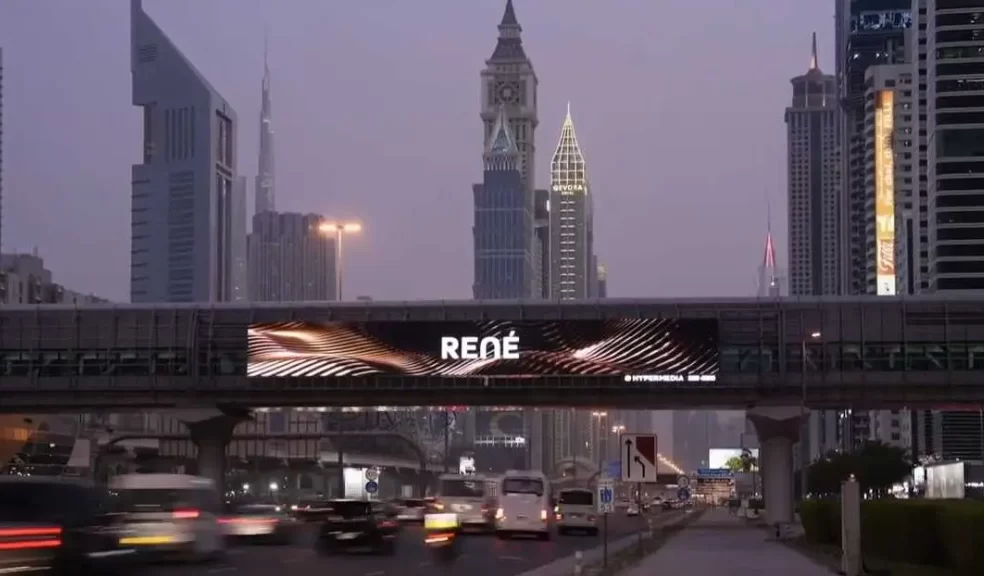
The Middle East commercial signage market is estimated to be worth several billion dollars annually, with the UAE and Saudi Arabia accounting for the largest share. Industry estimates place the GCC signage and display market in the low single-digit billions, with steady growth of roughly 6–10% per year driven by construction, tourism, and retail development. The market can be segmented in several ways:By sign type: Architectural and dimensional signage (channel letters, 3D metal letters, monument signs, pylon signs, wayfinding systems) accounts for the largest share, reflecting the region’s premium construction market. Illuminated and LED signage is the fastest-growing category, as LED has become the standard for both exterior and interior signs. Digital signage (LED video walls, digital menu boards, interactive kiosks, wayfinding displays) is expanding rapidly in malls, airports, and entertainment venues, while traditional and promotional signage (banners, flags, POS displays) supports retail promotions and events.By end-use industry: Hospitality and tourism (hotels, resorts, restaurants, entertainment) is the largest and most visible segment, given the region’s status as a global tourism destination. Retail (malls, supermarkets, fashion and luxury brands) is a close second. Commercial real estate and development (offices, mixed-use towers, residential communities, giga-projects) is a major driver of architectural and wayfinding signage. Government and infrastructure (airports, metro systems, roads, public buildings) and healthcare and education round out the market.By project type: New construction signage dominates, driven by the region’s continuous building boom, with renovation and rebranding signage (tenant fit-outs, brand refreshes, hotel repositioning) growing steadily, and replacement and maintenance signage supporting ongoing operations.By distribution channel: Local sign companies, contractors, and architects control most project-driven work and often act as the buyer or specifier, while brand owners, franchise operators, and developers increasingly source directly from manufacturers—including offshore manufacturers in China—for cost, quality, and customization reasons.
Key Growth Drivers
The Middle East signage market is being driven by several powerful, sustained trends:Massive construction and giga-projects: Saudi Arabia’s Vision 2030 giga-projects—including NEOM, the Red Sea Project, Qiddiya, and Diriyah—along with Dubai’s continued development of new districts, Expo City Dubai, and major transport infrastructure, are creating unprecedented demand for architectural signage, wayfinding systems, monument signs, and digital displays. Every new tower, district, airport terminal, and entertainment destination requires a complete signage program.Tourism and hospitality expansion: The UAE and Saudi Arabia are aggressively expanding their tourism sectors (with goals to attract tens of millions of visitors annually), driving construction of hotels, resorts, entertainment venues, and attractions. Hospitality signage—from lobby and wayfinding signage to restaurant, pool, and room signs—is a core category with consistent demand and high standards for premium aesthetics.Retail and shopping destination development: The GCC is home to some of the world’s largest shopping malls (Dubai Mall, Mall of the Emirates, Mall of Arabia, and numerous Saudi malls), and new mall and retail development continues. Retail signage includes storefront fascia signs, tenant signs, digital displays, and comprehensive mall wayfinding and directory systems.Events and international exposure: Dubai’s role as a global events hub—from Expo 2020 to GITEX, Gulfood, and major sporting events—and Saudi Arabia’s hosting of major international events (including the 2034 FIFA World Cup) drive demand for event signage, wayfinding, and temporary branding at a scale rarely seen elsewhere.Government and infrastructure investment: Public investment in airports (Dubai International, Dubai World Central, the new Al Maktoum International expansion), metro and rail networks, roads, and public facilities generates steady demand for transport signage, wayfinding, and large-format exterior signage.Premium and architecturally driven aesthetics: The Middle East’s construction market emphasizes iconic architecture and luxury finishes, and signage is expected to match. This drives demand for high-quality 3D metal letters, backlit and halo-lit channel letters, architectural light boxes, and custom-shaped signage that integrates with premium materials such as stainless steel, bronze, brass, and stone.
Demand Trends by Industry Segment
Hospitality and Tourism
Hospitality is the most visible signage segment in the Middle East, with the UAE and Saudi Arabia setting global benchmarks for luxury hotel and resort development. Key trends include:Resort and destination signage: Large resorts and integrated destinations require comprehensive signage programs, including entrance monument signs, pylon and directional signs, landscape signage, and interior wayfinding. Landscape signage and outdoor decorative signs are especially important for resorts, where signage must blend with landscaping and premium architecture. Our guide to landscape signage and outdoor decorative signs covers the design principles behind these installations.Hotel interior signage: Lobby signage, 3D logo letters, room-number and door signs, direction signs, and ADA/GCC-accessible signage are all in steady demand. Hotel operators increasingly require bilingual Arabic–English signage with premium metal and acrylic finishes that match the property’s design language. Our guide to hotel and hospitality signage covers lobby wayfinding through guest room signage in detail.Restaurant and F&B signage: The region’s vibrant restaurant and café scene drives demand for storefront fascia signs, blade and projecting signs, menu boards, and interior branding, often with premium and Instagram-worthy aesthetics.
Retail and Shopping Malls
Retail is a cornerstone of the Middle East economy, and its signage needs are both large in volume and high in specification:Storefront and fascia signage: Brand owners and franchise operators require high-quality storefront signs—channel letters, backlit 3D letters, and light box signs—that maintain brand consistency across multiple locations and markets. Shopping mall signage must comply with each mall’s tenant sign guidelines.Mall wayfinding and directories: Mega-malls are complex environments that depend on clear wayfinding and directory systems, including digital directories and interactive kiosks. Shopping mall signage is a specialized category with its own best practices.Digital retail displays: Digital menu boards in food courts, in-store digital displays, and promotional LED screens are growing rapidly, particularly among international food and beverage chains expanding across the GCC.
Commercial Real Estate and Giga-Projects
Commercial real estate and the region’s giga-projects are major drivers of architectural and wayfinding signage:Mixed-use towers and offices: Office towers and mixed-use developments require building identification signage, lobby branding, elevator and floor directories, and comprehensive wayfinding. Architectural signage and building signs are integral to the identity of these developments.Master-planned communities: Residential communities, waterfront developments, and business parks use entrance monument signs, pylon and directional signs, and street-level wayfinding to create a sense of place and guide residents and visitors.Giga-project signage programs: Large-scale projects such as NEOM, the Red Sea Project, and new Dubai districts deploy signage across construction phases (temporary site signage), master-plan wayfinding, and permanent architectural branding, creating multi-year demand for sign manufacturers with large capacity and consistent quality.
Government and Infrastructure
Government and infrastructure projects are a stable, high-value segment:Airports and transport hubs: Airports, metro stations, and transport terminals require extensive wayfinding, information, and directional signage, increasingly with digital displays. Standards for clarity, durability, and bilingual content are strict.Road and highway signage: Pylon signs and large-format exterior signs are used along major highways to identify commercial destinations and developments. For locations along highways and arterial roads, a pylon sign is often the single most important visibility investment.Public buildings: Government buildings, cultural institutions, and public facilities require professional identification and wayfinding signage with high durability and accessibility standards.
Healthcare and Education
Healthcare and education are growing segments, with significant expansion across the region:Healthcare facilities: Hospitals, clinics, and medical centers require clear wayfinding, department and room identification, and accessible signage. While US ADA standards do not directly apply in the GCC, similar accessibility principles for tactile and high-contrast signage are increasingly expected, especially in internationally accredited facilities. Our medical clinic and dental office signage guide covers the professional and accessible design principles that transfer well to GCC projects.Education and campuses: Universities, schools, and international campuses use campus wayfinding, building identification, and digital information signage. The region’s investment in education infrastructure is driving steady demand in this segment.
The Regulatory Landscape for Signage in the Middle East
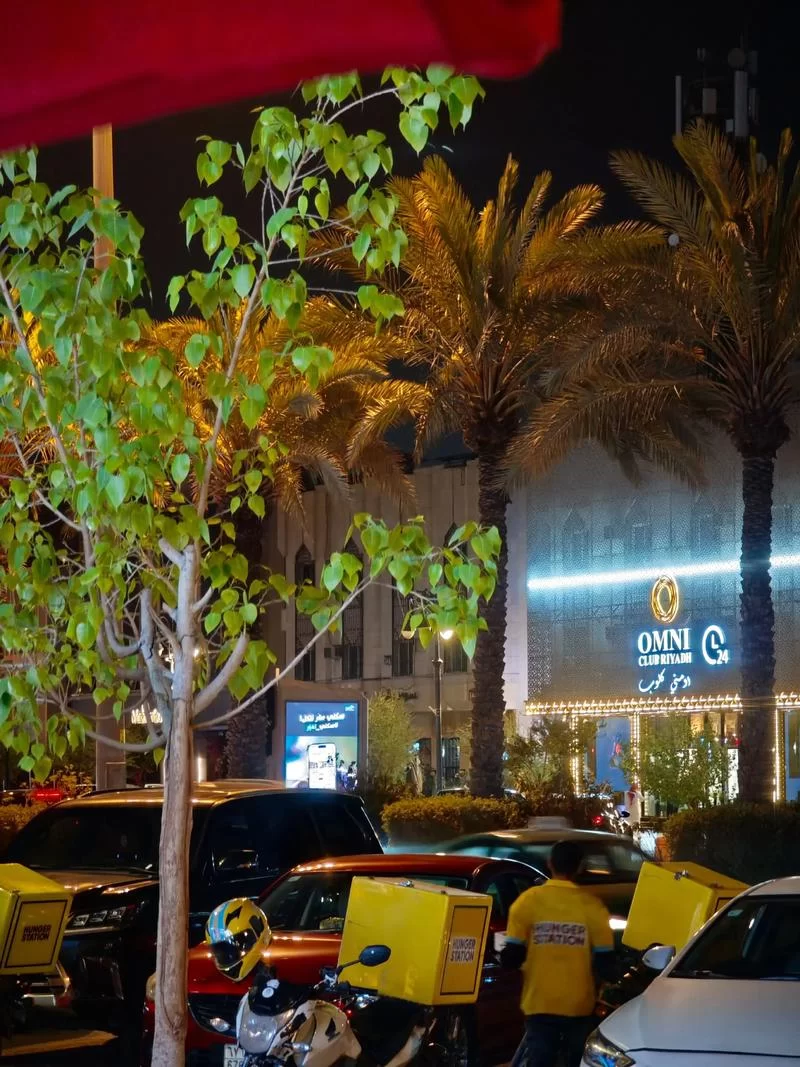
The Middle East’s signage regulatory environment is more centralized than in many Western markets. Each country and emirate operates its own municipal approval systems, and compliance is essential—unauthorized or non-compliant signage can be rejected, fined, or ordered for removal. Global buyers should treat signage regulation as a project-critical requirement and work with local partners who understand the rules.
Federal and Emirate-Level Regulations
UAE: In the UAE, signage is regulated at the emirate level. In Dubai, Dubai Municipality (DM) oversees sign permits through its Building Inspection and Permits system, and the Dubai Development Authority (DDA) and free-zone authorities (such as DMCC, DIFC, and TECOM) have additional or modified requirements for signage within their zones. Abu Dhabi signage is regulated by the Department of Municipalities and Transport (DMT) and municipal authorities. Signage typically requires an approved sign permit (with fees) before installation, and illuminated and moving signage is subject to additional controls.Saudi Arabia: Signage is regulated through municipal authorities (Amanat) in each city, with national guidelines set by the Ministry of Municipal and Rural Affairs and Housing. Foreign-language signage must comply with Arabic-language requirements, and digital and advertising signage is subject to additional controls.Qatar, Kuwait, Oman, Bahrain: Each country operates its own municipal permit system with local design standards, Arabic-language requirements, and restrictions on illuminated or moving signage. Qatar’s Public Works Authority and municipalities, for example, regulate signage within its jurisdictions.
Dubai Municipality and Permit Requirements
Because Dubai is the region’s most active commercial signage market, its requirements are worth understanding in detail:Sign permit and approvals: Most exterior and interior signage in Dubai requires a sign permit from Dubai Municipality before installation. Applications typically require engineering drawings, site plans, and proof of tenancy/ownership, and fees are based on sign size and type.Design and content standards: Dubai Municipality enforces design standards covering sign placement, size relative to the façade, projection limits, illumination, and safety. Bilingual Arabic–English content is generally required for commercial signs, and content must not conflict with public order or decency standards.Illumination and digital signage: Illuminated signage is common in Dubai, but flashing, animated, or excessively bright signage is restricted, and digital signage is subject to specific approvals. Energy-efficient LED illumination is preferred and aligns with the UAE’s sustainability goals.Free-zone and developer rules: Within free zones (DMCC, JLT, DIFC, TECOM, Dubai South, etc.) and developer-controlled communities (Emaar, Nakheel, Damac), signage is also subject to the developer’s own guidelines, which often impose stricter design and quality standards. For multi-location retail rollouts, reviewing each landlord’s sign guidelines is essential.
Compliance Best Practices for Global Sign Buyers
Engage a local sign company or permit consultant: Local sign professionals understand municipal requirements, prepare and submit permit applications, and handle inspections. They are the most reliable route to compliance, especially for first-time projects.Plan bilingual content from the start: Arabic–English bilingual signage is the norm. Engage a qualified translator and typesetter for Arabic text to ensure correct rendering (right-to-left layout, correct script) in design files, and verify approved Arabic text with the municipality before production.Specify quality materials and components for the climate: Use UV-stabilized acrylic, marine-grade or powder-coated metals, IP-rated LED modules and drivers, and weatherproof construction. Certification such as CE and RoHS is widely accepted in the region, and UL/ETL listing is valued for electrical safety on international and franchise projects.Confirm approvals before production: Because design standards and permit requirements vary by emirate, zone, and developer, confirm the approved sign design with the relevant authority or local partner before committing to production. This avoids costly rework and re-permitting.
Sourcing Trends: GCC Manufacturing vs. Offshore Sourcing
Advantages of Local GCC Manufacturing
Regulatory familiarity and permitting support: Local sign companies understand municipal requirements, hold the necessary licenses, and can handle permits, installation, and maintenance directly. This reduces compliance risk for buyers.Faster turnaround and on-site service: Local manufacturing and installation eliminate international shipping lead times and provide faster support for maintenance, repairs, and warranty work—an advantage for time-sensitive projects and ongoing operations.Simpler logistics and installation: For large or installation-intensive signage (pylon signs, monument signs, building-attached signs), local manufacturing simplifies logistics and allows factory or site coordination.
Advantages of Offshore Sourcing (Primarily China)
For many global buyers—particularly brand owners, franchise operators, distributors, and developers sourcing signage for multiple projects—offshore manufacturing in China offers significant advantages:Lower cost and factory-direct pricing: Chinese manufacturers offer significant cost savings (often 30–60% below GCC or Western pricing) on channel letters, 3D metal letters, light boxes, LED signage, and custom architectural signage, even after international shipping and duties. As a direct manufacturer, Hongbo Sign offers factory-direct pricing with no middleman markup.Advanced manufacturing and vertical integration: Leading Chinese sign factories operate vertically integrated facilities with CNC laser cutting, robotic welding and bending, UV digital printing, LED assembly and testing, and rigorous quality control—capable of producing premium signage that meets international standards.Wide product range and customization: Offshore manufacturers can produce virtually any sign type—from standard channel letters and LED neon signs to large custom 3D metal letters, light boxes, and wayfinding systems—with extensive material, finish, and lighting options. This makes it possible to source an entire signage program from a single factory.Experience with export markets: Many Chinese manufacturers have extensive experience exporting to the Middle East and other international markets, and can provide CE, RoHS, and other certifications, bilingual artwork support, and export logistics documentation.
Key Considerations for Global Sign Buyers
Plan for lead time and shipping: Offshore sourcing requires planning for production (typically 2–6 weeks) plus international shipping (typically 4–8 weeks by sea to GCC ports such as Jebel Ali). Work with a manufacturer that provides clear production schedules and packaging designed for sea freight. Our guide to custom signage production lead time and international shipping covers this planning in detail.Verify quality and certification: Provide detailed specifications, request pre-production samples and digital proofs, and, where appropriate, use pre-shipment inspection. Specify the certifications you need (CE, RoHS, UL/ETL) and require documentation. Our guide to how to choose and evaluate a sign manufacturer outlines the vetting criteria.Understand import duties and documentation: Signs imported into the UAE and GCC are subject to import duties (typically 5% in the GCC) and require standard export/import documentation. The correct HS code classification for signs is important for duties and clearance. Our guide to HS codes and import duties for custom signs explains the classification and tariff basics that apply to sign imports.Consider a hybrid sourcing approach: Many buyers combine offshore manufacturing (for cost-competitive production of channel letters, 3D letters, light boxes, and interior signage) with local GCC partners (for permits, installation, and service). This hybrid model captures offshore cost advantages while ensuring local compliance and support.
Material and Design Considerations for the Middle East Climate
Heat, UV, and Dust Resistance
The Gulf climate—summer temperatures above 45°C, intense UV exposure, sand and dust storms, and high coastal humidity—demands signage built for durability. Key specifications include UV-stabilized acrylic and polycarbonate faces, powder-coated or anodized aluminum and stainless steel structures, IP65/IP66-rated LED modules and drivers, sealed and gasketed cabinets to prevent dust and water intrusion, and finishes that resist fading and corrosion. Our stainless steel and metal sign finishes guide explains the finishes that perform best outdoors, and our sign materials comparison covers aluminum, stainless steel, acrylic, and PVC from an environmental-durability perspective.
Arabic and Bilingual Signage
Arabic–English bilingual signage is standard across the region, and correct Arabic rendering is a professional requirement. Design files should include approved Arabic text with proper typography (many Arabic fonts differ significantly), right-to-left layout handling, and compliance with municipal language rules. For illuminated signs, Arabic letters are commonly produced as 3D channel letters or halo-lit letters, with the same manufacturing quality as Latin characters. Our illuminated letters guide covers the lighting and construction options that apply to both scripts.
Premium and Architectural Aesthetics
The Middle East’s premium construction market expects signage to match its architecture. Brushed stainless steel, bronze, brass, and gold-toned finishes, backlit and halo-lit 3D letters, slim architectural light boxes, and custom-shaped signage are all in demand. Our guides to 3D signs and dimensional signage and architectural signage and building signs cover how these premium products are designed and manufactured for high-end projects.
Technology Trends Shaping the Region’s Signage
The Middle East is an early adopter of signage technology, and several trends are reshaping the market:LED as the standard: LED illumination is now the default for exterior and interior signage, offering energy savings of 50–80% versus traditional lighting, long lifespan, and full-color RGB capabilities. Our guide to 2026 LED signage trends covers the technologies driving adoption, including smart and connected signs.Digital displays and dynamic messaging: Digital menu boards, LED video walls, digital directories, and interactive kiosks are expanding rapidly in malls, airports, hotels, and entertainment venues, enabling real-time content and higher engagement.Smart and connected signage: IoT-connected signage—including wayfinding displays with real-time data, parking and traffic guidance, and remotely managed content—is growing, particularly in transport hubs, smart-city districts, and large campuses.Energy efficiency and sustainability: The UAE’s Energy Strategy 2050 and Saudi Arabia’s sustainability goals are driving demand for energy-efficient LED signage, solar-powered options, and sustainable materials—aligning with the growing global focus on eco-friendly signage.
Opportunities and Challenges for Global Sign Buyers
Key Opportunities
Giga-project and infrastructure demand: Saudi Arabia’s Vision 2030 projects and UAE infrastructure expansion create multi-year, high-volume demand for architectural signage, wayfinding, and digital displays—opportunities that favor manufacturers with large capacity and consistent quality.Brand rollouts and franchise expansion: International brands expanding across the GCC (retail, F&B, hospitality, healthcare) require standardized, high-quality signage across many locations, ideal for offshore manufacturing combined with local installation partners.Premium and custom signage: The region’s willingness to invest in premium, custom, architecturally integrated signage favors manufacturers that can deliver high-end 3D letters, custom-shaped signs, and integrated wayfinding systems.Digital signage growth: The rapid adoption of digital displays in retail, hospitality, and transport creates opportunities for buyers and suppliers offering high-quality LED displays, content management, and installation support.
Key Challenges
Regulatory complexity and permitting: Navigating emirate-level permits, free-zone rules, and developer guidelines requires local expertise, and non-compliance can cause delays, fines, or removal. Work with local partners and plan approvals early.Climate-driven durability requirements: Standard indoor-grade materials and components will fail quickly in the Gulf climate. Buyers must specify climate-appropriate materials and IP-rated components, which adds cost and requires a knowledgeable manufacturer.Bilingual content and design quality: Correct Arabic rendering and bilingual layout require specialized translation and typesetting, and mistakes are costly. Budget for qualified Arabic language support and thorough proof approval.Lead times and logistics: Offshore sourcing requires careful planning for production and shipping, and time-sensitive projects need buffer. Working with a manufacturer experienced in Middle East exports reduces logistics risk.

Hongbo Sign: Your Partner for the Middle East & Dubai Market
At Hongbo Sign, we are a leading China-based commercial signage manufacturer with extensive experience exporting high-quality signage to the Middle East, GCC, and global markets. We combine premium manufacturing capability with practical export and compliance support, making us a strong partner for sign buyers, distributors, brand owners, and developers sourcing signage for Middle East projects.Comprehensive product range: We manufacture channel letters (front-lit, backlit/halo-lit, front/back-lit), 3D metal letters in stainless steel, bronze, and brass, push-through letters, light box signs, LED neon signs, monument and pylon signs, wayfinding and directory systems, landscape and architectural signage, and custom-shaped signage—covering the full range of products used across Middle East projects.Premium finishes for high-end projects: Our factory specializes in brushed stainless steel, mirror-polished metal, bronze and brass-tone finishes, and architectural light boxes that meet the premium aesthetic standards of the region’s luxury hospitality, retail, and commercial projects.Climate-durable construction: We specify UV-stabilized acrylic, powder-coated metals, IP65/IP66-rated LED components, and weatherproof construction, with materials and finishes selected for high heat, UV, dust, and humidity. Our metal sign finishes guide and sign materials comparison document the options we offer.Bilingual and design support: We work with your approved Arabic–English artwork, support correct Arabic rendering and layout, and produce digital proofs and 3D renderings for approval before production. Our guide to sign design files and vector formats covers the artwork preparation we recommend.Certifications and documentation: We provide CE and RoHS documentation, and can support UL/ETL listing for illuminated signage, along with commercial invoices, packing lists, and HS code classification to support customs clearance. Our guide to signage certifications and our HS code guide explain what buyers need.Export and logistics experience: We have extensive experience exporting to the Middle East via Jebel Ali and other GCC ports, with sea-freight packaging designed to protect large and fragile signs. Our guide to shipping custom signs internationally and production lead-time guide outline the process.Factory-direct pricing and capacity: As a direct manufacturer with a vertically integrated facility, we offer competitive factory-direct pricing and the production capacity to handle large rollouts and giga-project-scale programs with consistent quality.
We understand that sourcing signage for the Middle East market requires careful attention to climate, regulation, bilingual content, and premium quality, and we are committed to being a reliable, transparent partner for our Middle East and GCC customers. From initial design and consultation to production, quality control, shipping, and after-sales support, we are with you every step of the way.
Ready to explore high-quality, cost-effective signage for the Middle East and Dubai market? Contact us today for a free consultation and factory-direct quote. Our team will work with you to understand your project requirements, provide design and engineering support, and deliver signage that meets the region’s standards—at competitive factory-direct prices.