

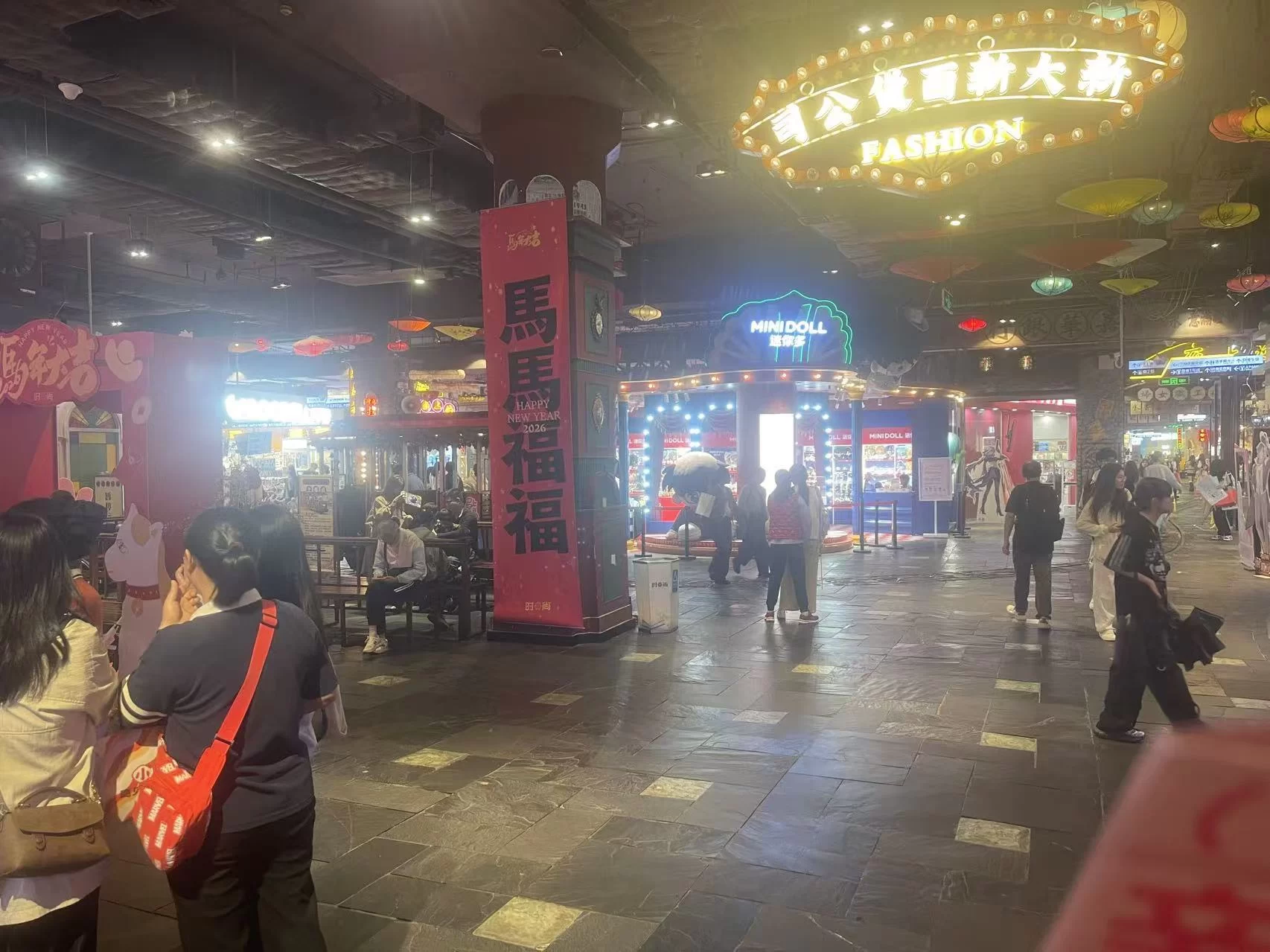
Mall and shopping-center installations promoting tenants or seasonal campaigns.
Immersive LED display wall features go a step further, using perspective effects, layered geometry, and high-density pixel pitch to create a sense of depth rather than a flat rectangle. These are typically custom-built per installation, with content designed around the physical geometry of the wall.
Content Control and Scalability
The question most often asked after “what does it look like?” is “who runs it?” Three control models dominate:
- Local Bluetooth/Wi-Fi app. Good for single-location shops and small cafés. The owner opens an app, picks a preset color or animation, done.
- LAN controller with SD or USB. Good for a single venue with multiple signs that need to stay in sync.
- Cloud-based content management system (CMS). Good for multi-site chains. HQ pushes a playlist to every location over the internet; regional managers override locally.
For a 20-store retail rollout, the CMS model is usually non-negotiable. It also means the hardware must be networked—plan for low-voltage data cabling, not just power.
Durability, Serviceability, and Total Cost
Programmable LED signage is more expensive up front than static channel letters, and it has more components that can fail: controllers, drivers, and the LED modules themselves. A few practical rules:
- Use industrial-rated LED modules, not consumer strip light.
- Specify IP-rated housings where the sign is exposed to washdown, humidity, or coastal air.
- Plan access for service—controllers should be reachable, not sealed inside a sealed facade.
- Build in burn-in (aging) testing at the factory before shipment.
- Keep spares of the most failure-prone components (power supplies, controllers).
Hongbo Signage runs aging tests on illuminated signs before export packing, and ships replacement LED modules and controllers alongside the main order where the client requests spares.
Where Digital Signage Fits Beside Static
A useful mental model is that static signage answers “who are you?” and digital signage answers “what’s happening right now?” A storefront channel letter answers the first question 24/7. An in-window LED video wall answers the second, hour by hour. Most strong retail brands do both: a permanent identity on the facade, a changing narrative in the window or lobby.
For fitness spaces specifically, see digital signage in fitness spaces for how studios and gyms blend motivational content with class scheduling. For the comparison between LED neon and programmable LED, see LED neon versus programmable LED. For multi-location retail deployment, see digital retail signage deployment.
Working With an OEM/ODM Manufacturer
When you commission programmable LED signage from a Guangzhou OEM/ODM partner, the RFQ is a little more involved than for static letters:
- Define the geometry (letters, logo, full wall).
- Define the pixel density (closer viewing distance needs higher density).
- Choose the control model (app, LAN, cloud CMS).
- Confirm power and data cabling runs.
- Specify static branding to pair with the dynamic element.
- Plan spares and service access.
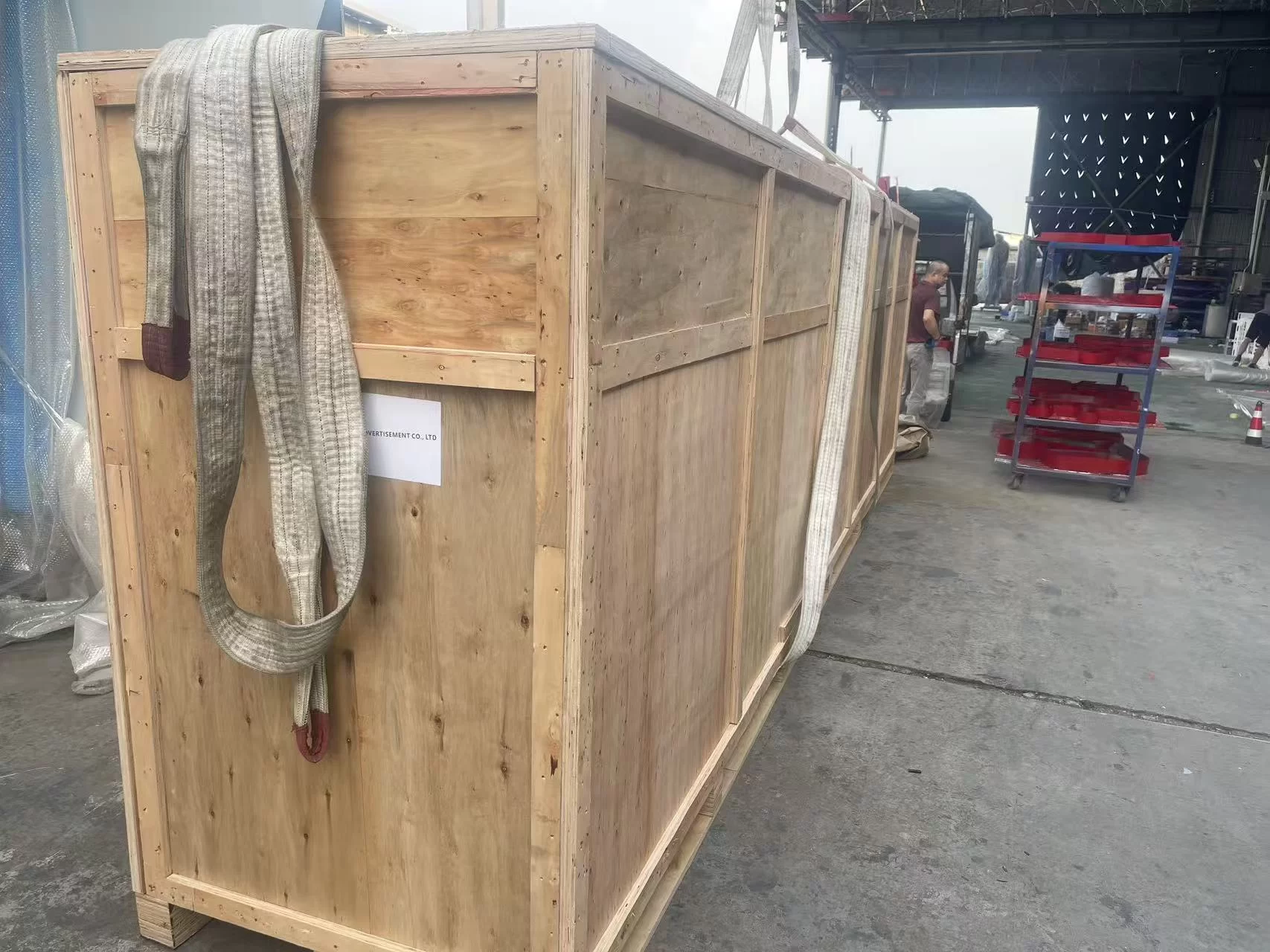
Typical lead time is 10–25 working days after artwork approval, with export packing built for sea freight. For multi-site rollouts, the first site is usually a pilot; once content and control are dialed in, replication across sites is faster.
Lighting Design and Viewing Distance
A practical rule of thumb for any LED-based installation is that pixel pitch should match viewing distance. A wall viewed from three meters away needs a finer pitch than one viewed from ten meters. Specifying a pitch that is too coarse for close viewers creates a visible grid; specifying a pitch that is too fine for distant viewers wastes budget. For lobby and retail window features, where customers stand within a meter or two, high-density modules make the difference between a smooth image and a visible dot matrix. For stage backdrops and mall feature walls viewed from further away, a more economical pitch often performs visually. Ask your manufacturer for a reference image shot at your expected viewing distance before committing.
What Buyers Should Prepare for a Sign Quote
To spec programmable LED and digital signage cleanly, have the following ready:
- Wall structure and mounting. Whether the wall is masonry, stud, glass, or a structural feature wall, and the maximum load it can carry, especially for a tiled video wall.
- Power and data access. Whether dedicated low-voltage power and network cabling (Ethernet, fiber, or Wi-Fi bridging) reaches the installation point, and where controllers can be serviced.
- Content source and control model. Who designs and schedules content, and whether a single-location Bluetooth/Wi-Fi app, a LAN controller, or a cloud CMS for multi-site rollouts is expected.
- Viewing distance and pixel pitch. How far viewers typically stand from the screen, so pixel density is matched to the space rather than over- or under-specified.
- Static branding to pair with. Which existing channel letters, neon, or logo identity should remain static alongside the dynamic element, so the two read as one system.
- Indoor vs. exposure. Whether the installation is in a dry lobby, a washdown kitchen, a coastal facade, or a window with direct UV, so IP rating and material selection are correct. Always confirm local electrical and mounting codes for your installation site.
- Spares and service plan. Which failure-prone components (power supplies, controllers, LED modules) to order as spares, and who will perform first-line service on site.

Frequently Asked Questions
Q: Is a full LED video wall right for a small shop?
Usually not. Most small shops are better served by programmable LED letters or an RGB logo that fits the brand without the content-management overhead of a full video wall.
Q: How do I update the content on a programmable LED sign?
Most consumer-facing programmable letters use a phone app over Bluetooth or Wi-Fi. Multi-site deployments use a cloud-based content management system that HQ controls centrally.
Q: Do digital signs use a lot of electricity?
LED-based signs are far more efficient than traditional neon or incandescent, but a large video wall draws more than a small channel letter. Factor continuous operation into your operating budget.
Q: Can I mix static and programmable signage on the same facade?
Yes. Many brands keep the primary facade in static channel letters or neon and use programmable elements only in windows, lobbies, or accent walls.
Q: How long do programmable LED signs last?
Industrial-rated LED modules last many years under normal indoor use; outdoor and washdown environments shorten life. Plan for periodic module or driver replacement, and keep spares on hand.
Conclusion
LED video walls and digital signage are not a revolution in storefront branding so much as an additional channel. Static signs carry identity; programmable letters, RGB logos, and display walls carry momentum. For retailers, gyms, restaurants, and corporate lobbies, the strongest installations combine both, with content and control planned as carefully as the hardware. Partnering with an experienced OEM/ODM manufacturer in Guangzhou lets you pilot one site, then replicate across locations with consistent materials, certified components, and export-grade QC.
Exploring programmable LED and digital signage features for your space?
Hongbo Signage provides OEM/ODM custom signage manufacturing from Guangzhou, China. Get a custom sign quote within 24 hours.