

If you want to import signs from China to USA, this guide walks you through the entire process. For US-based brands, retail chains, restaurant groups, and sign contractors, importing custom signs directly from a Chinese manufacturer is now standard practice. The combination of lower fabrication labor costs, mature supply chains in aluminum extrusion, acrylic fabrication, LED module sourcing, and laser cutting has made direct sourcing competitive with local fabrication for anything from a single storefront package to a multi-site rollout.
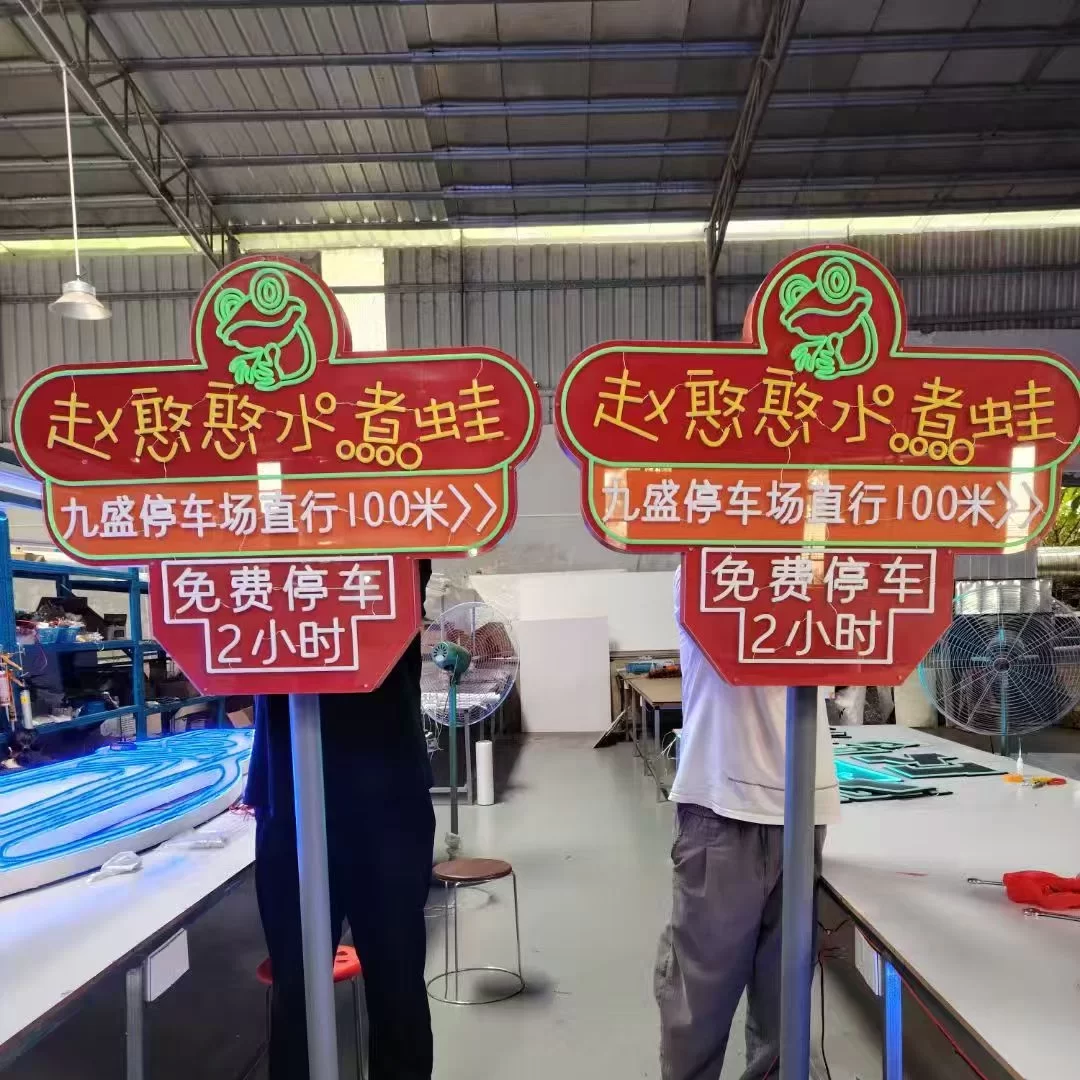
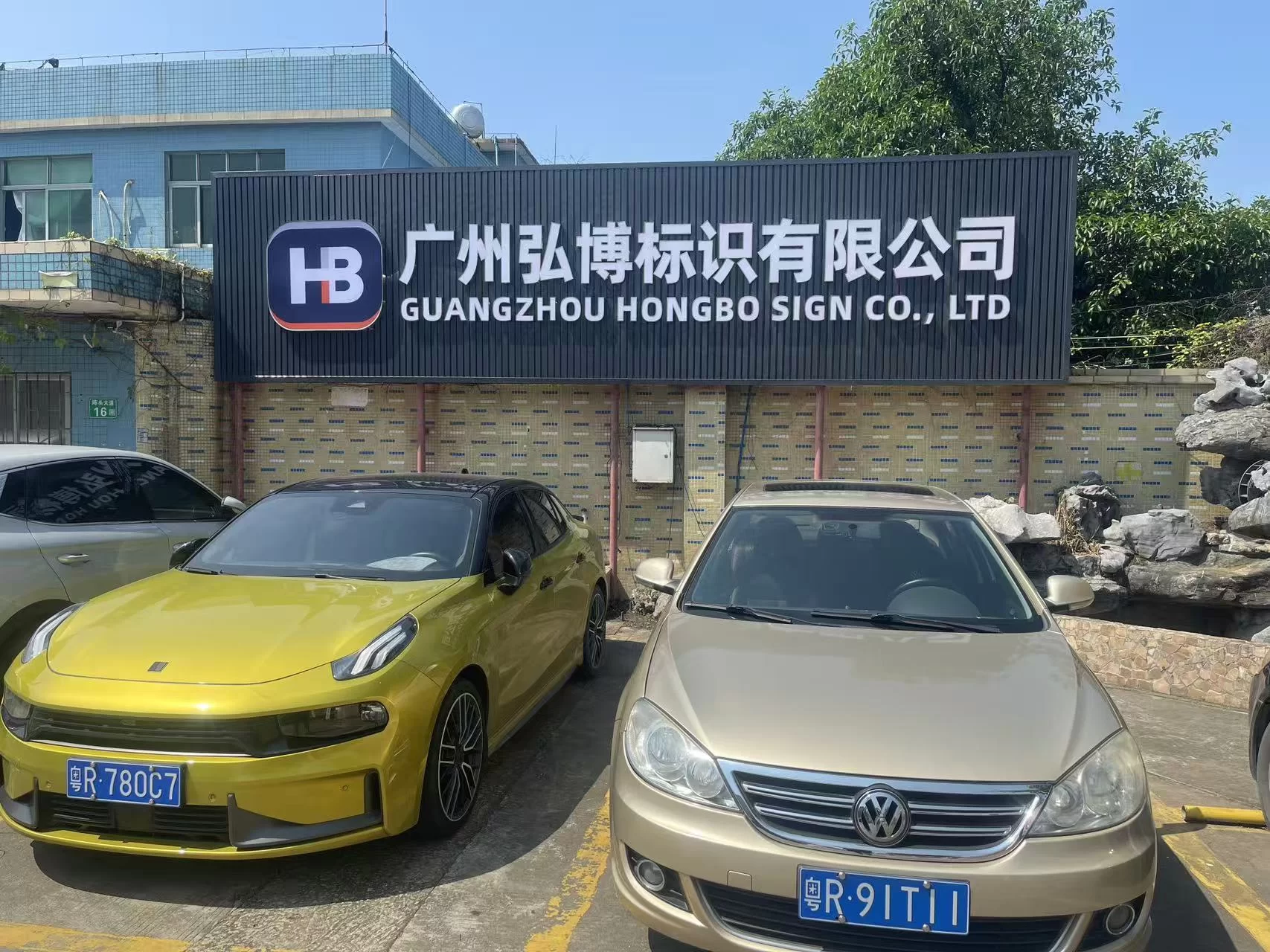
Hongbo Signage is a Guangzhou-based OEM/ODM manufacturer exporting custom channel letters, lightboxes, LED neon, halo letters, and illuminated wayfinding to North American clients. This guide walks through the end-to-end workflow of import signs from China to USA: the RFQ, artwork and samples, production, export packing, sea and air freight, US customs clearance, and final-mile delivery. It is manufacturer guidance, not legal or customs advice. Duty rates, tariff schedules, and product classifications change—always work with a licensed US customs broker and confirm current rulings before shipment.
Why Import Directly From China?
Local sign fabrication in the US offers speed, easy site coordination, and no international freight risk. Direct import from China, by contrast, offers:
- Lower unit cost for moderate-to-large quantities, especially on channel letters, lightboxes, and LED neon.
- Access to deeper material ranges (brushed and mirror stainless, acrylic, aluminum extrusion, RGB LED modules).
- Centralized artwork control for multi-site rollouts.
- OEM/ODM flexibility: custom shapes, finishes, and integrated LED drivers.
For a single storefront with a tight deadline, local fabrication often wins. For a chain opening 20 locations at once, direct import is usually the better value. For a side-by-side comparison, see China manufacturer versus local comparison.
Step 1: RFQ and Supplier Qualification
The process begins with a request for quotation. A useful RFQ includes:
- Sign type and quantity (channel letters, lightbox, neon, wayfinding).
- Dimensions, fonts, colors, and artwork files.
- Material specifications (stainless grade, acrylic thickness, aluminum gauge).
- Electrical: 110V/60Hz or 12V DC, UL/cUL expectations.
- Destination port and Incoterms preference (FOB Shenzhen/Yantian, or CIF US port).
- Target delivery date by site.
A serious manufacturer will respond with a line-item quote, a production timeline, and a sample offer. Ask about in-house processes: laser cutting, bending, welding, powder coating, acrylic fabrication, LED assembly, and aging testing. Hongbo Signage runs these steps in-house in Guangzhou, which reduces lead time and QC risk.
Step 2: Artwork and File Preparation
Clean artwork is the single biggest lever for avoiding rework. Suppliers typically accept AI, EPS, PDF, or DXF files with outlined fonts, vector curves, and layer separation for color layers. Provide:
- Front view and side view at scale.
- Material layers (which parts are acrylic, which are stainless, which are illuminated).
- Mounting and wiring notes.
- Power supply placement.
For a deeper read on file preparation, see artwork and files for export production.
Step 3: Sample Approval
Before bulk production, approve a physical sample. This is not a formality. The sample reveals:
- Color match to your brand Pantone.
- Acrylic finish and edge polish.
- LED brightness, color temperature, and halo uniformity.
- Mounting bracket geometry.
A sample costs money and time, but catching a color or dimension mismatch in the sample stage is far cheaper than reworking 50 channel letters.
Step 4: Production and QC
After sample approval, production typically takes 10–25 working days depending on complexity and quantity. Watch for:
- Laser-cut dimensions within tolerance.
- Welds ground and smoothed before powder coating.
- LED modules tested for color consistency.
- Power drivers labeled with voltage and wattage.
- Aging test (burn-in) of illuminated signs before packing.
Reputable manufacturers run a QC aging test on illuminated signs so that dead LEDs or failing drivers are caught before export.
Step 5: Export Packing
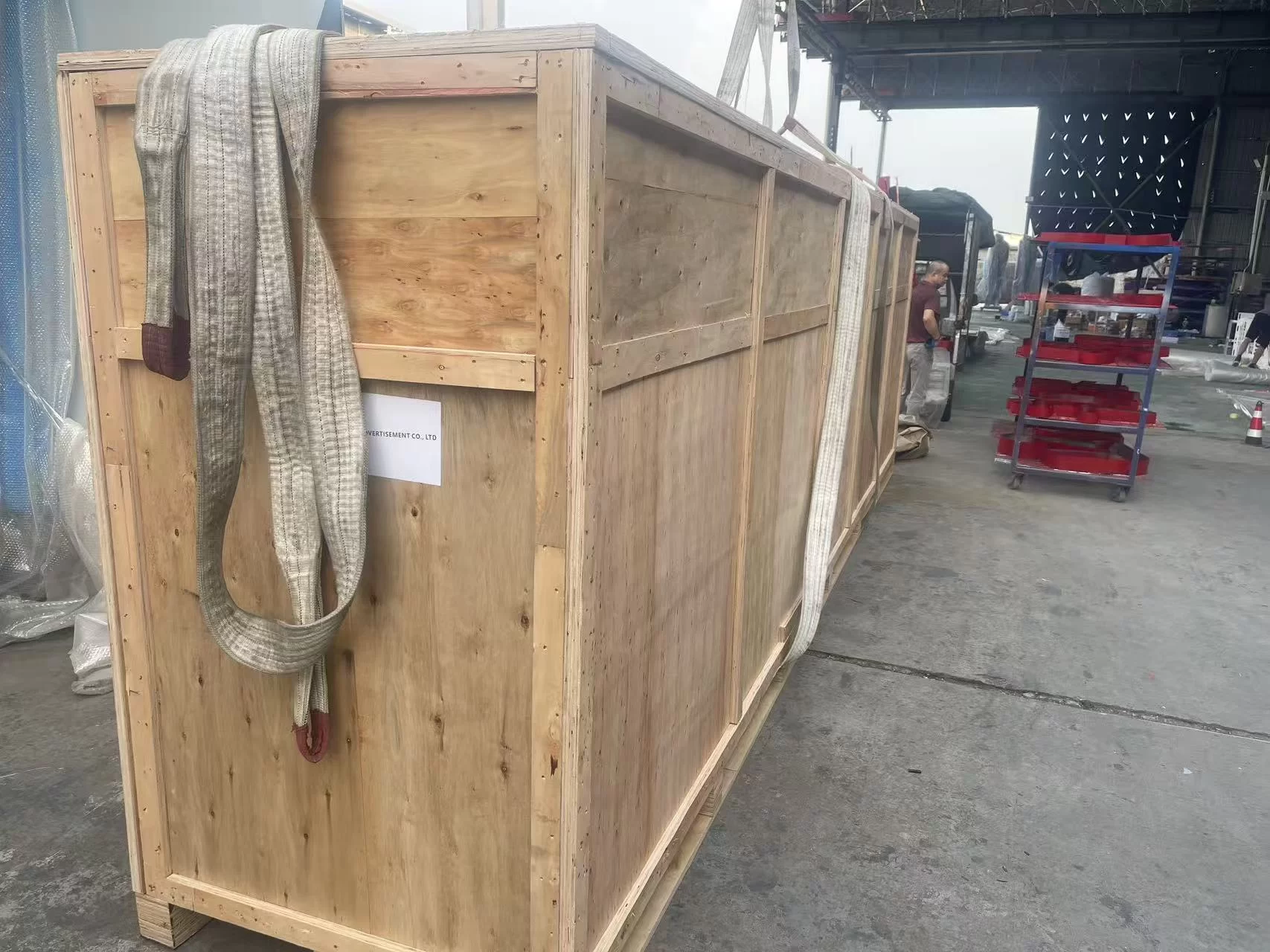
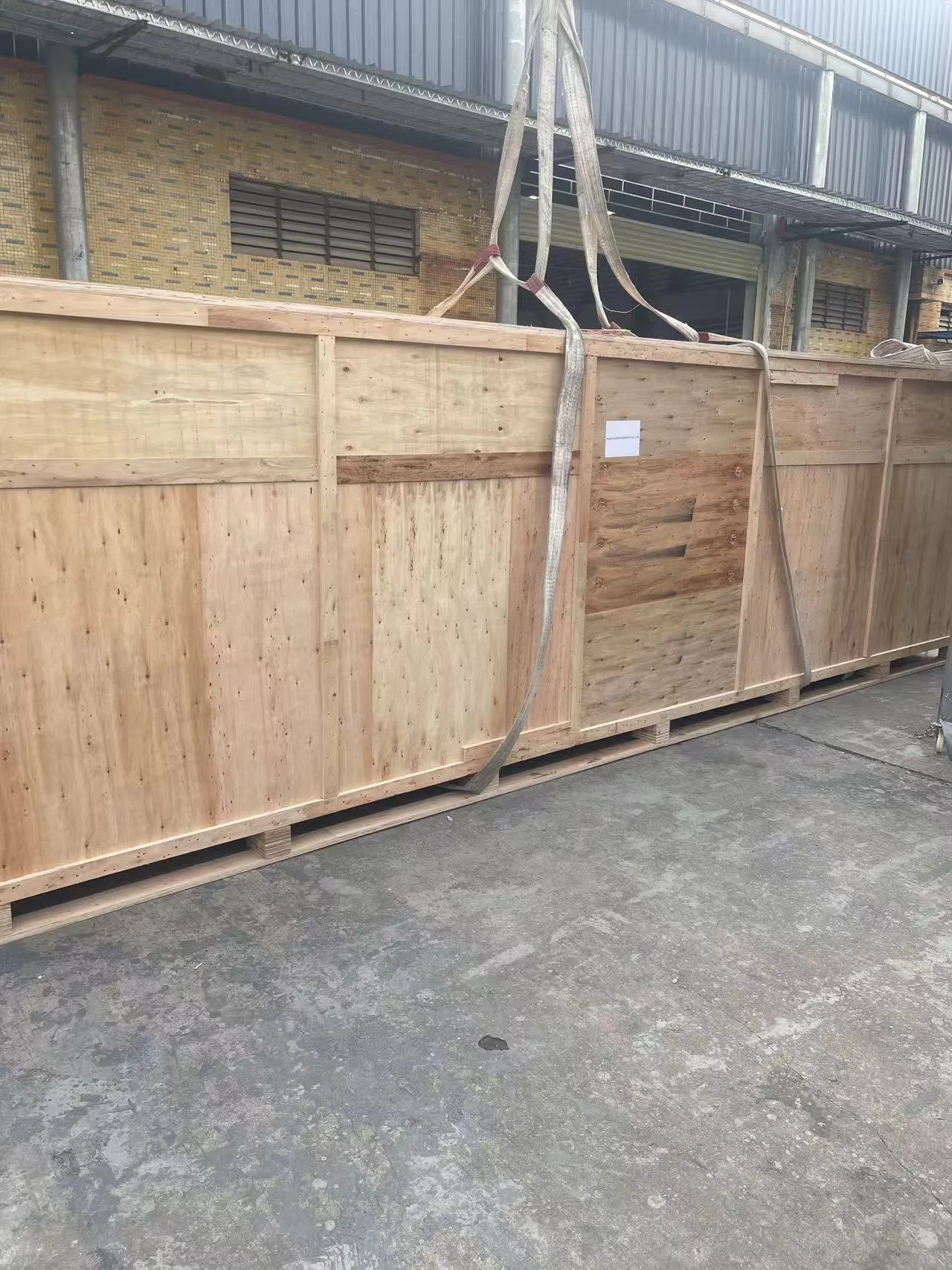
Signs are large, light, and fragile. Export packing matters:
- Individual foam or EPE sleeves on acrylic faces.
- Double-export cartons for channel letters.
- Palletized, shrink-wrapped loads for sea freight.
- Corner protectors on lightboxes.
- Carton markings with “This Way Up” and “Fragile.”
A well-packed container survives trans-Pacific transit; a poorly packed one arrives with cracked acrylic and scratched finishes.
Step 6: Freight — Sea and Air
Most sign shipments move by sea:
- FOB Shenzhen or Yantian. Buyer arranges and pays ocean freight and insurance from the port.
- CIF US port. Seller arranges ocean freight and insurance to the destination port; buyer arranges onward clearance and trucking.
LCL (less-than-container) works for small shipments; FCL (full 20ft or 40ft container) is cheaper per unit for large rollouts. Air freight is reserved for rush replacements or small high-value items, because dimensional weight charges can dwarf the product cost.
Typical trans-Pacific sea transit is around two weeks from South China to US West Coast ports, plus inland rail or truck to Midwest and East Coast destinations. Build that into your project schedule.
One common importer mistake is to assume FOB and CIF differ only in who pays the ocean bill. They also shift where risk and paperwork sit. Under FOB, title and risk transfer when the cargo crosses the ship’s rail at origin, so damage that happens on the ocean crossing is your insurance problem from that moment onward. Under CIF, the seller buys insurance to the destination port, but the coverage is often a minimum clause—typically limited to 110 percent of invoice value—rather than the open-cargo policy a larger importer carries. First-time buyers are sometimes surprised to find that a “CIF door” quote is really CIF port, with destination charges, drayage, and customs brokerage still billed separately on arrival. Ask your forwarder for a full landed-cost estimate before comparing quotes side by side.
Step 7: US Customs Clearance
US import formalities are handled by a licensed customs broker on your behalf. Key points:
- Importer of record. Either you or your broker must be established as the importer of record with CBP.
- HTSUS classification. Illuminated signs are typically classified under HTSUS heading 9405 (chandeliers, lighting fittings, illuminated signs, and the like) as a starting point, but the precise subheading depends on construction, material, and function. A licensed customs broker will confirm.
- Duty. Duty rates vary by classification and by current tariff schedules, which change over time. Expect a range rather than a fixed number—typically in the low-to-mid single digits to low teens percent depending on classification, with additional Section 301 tariffs on China-origin goods layered on top for many product categories. Your broker will quote the effective rate for your specific classification.
- MPF/HMF. Merchandise Processing Fee and Harbor Maintenance Fee apply in addition to duty.
- CBP entry. Filed at the port of arrival, usually within a few days of vessel arrival.
Do not rely on a factory’s “HS code” alone. The same manufacturer may ship signs classified differently depending on destination. Use a broker.
Step 8: UL/cUL Expectations for Illuminated Signs
For illuminated signs installed in the United States, local electrical inspectors almost always expect nationally recognized testing laboratory certification—commonly UL or cUL—on the sign itself and on major electrical components (power supplies, drivers, LED modules). Hongbo Signage builds UL-style backlit channel letters and flat-panel lightbox signs for US projects using certified driver components, with labeling and documentation prepared for local AHJ review. We also produce American-market LED neon signs with UL-listed power adapters.
Note that the finished sign itself may not carry a full UL “listing” unless it has been individually tested; what most fabricators do is build to UL component standards and supply documentation that a local sign contractor can use for permitting. Confirm your local inspector’s expectations before ordering.
Step 9: Final-Mile and Installation
Once cleared, your freight forwarder arranges drayage to the dock, then trucking to your site or warehouse. Local sign crews handle installation, electrical connection, and inspection. Plan for a local licensed electrician to connect illuminated signs to building power.
Parallel Paths: EU, Australia, Canada
The US workflow is similar but not identical to other markets. See importing signs to Europe for CE, EMC, LVD, and VAT considerations, and importing signs to Australia and Canada for cULus, CSA, AS/NZS, and coastal-grade material expectations.
What Buyers Should Prepare for a Sign Quote
To get an accurate landed-cost quote for a US-bound sign order, have the following ready:
- Full sign specs. Sign type, dimensions, materials (stainless grade, acrylic thickness, aluminum gauge), finishes, and artwork files at scale.
- Voltage and certification needs. 110V/60Hz or 12V DC, and whether UL/cUL-listed components or finished-sign documentation is expected by your local electrical inspector.
- Destination details and Incoterms. US port of entry, inland destination, and whether you prefer FOB Shenzhen/Yantian, CIF US port, or door-to-door, so freight and destination charges are quoted transparently.
- Importer of record status. Your CBP importer ID or whether your broker will act as importer of record, plus any prior CBP rulings on similar product categories.
- Licensed customs broker contact. A broker already engaged on your side, so HTSUS classification, duty, MPF/HMF, and any China-specific tariff treatment can be confirmed before shipment.
- Project timeline and site list. Target delivery date by site, quantity rollout, and installation crew contact, so production and sea transit can be sequenced.
- Mounting and power notes. Local electrician availability, voltage, and mounting method, so the right drivers and wiring are built in.
Compliance Note
Importing signs involves classification, duty, and certification decisions that depend on your specific sign specs and country of import. This guide is buyer guidance, not legal or customs advice. Consult a licensed customs broker and confirm UL/cUL and local electrical requirements before ordering.
Frequently Asked Questions
Q: What HTS code should I use for illuminated signs?
Illuminated signs commonly start under HTSUS heading 9405, but the exact subheading depends on construction. A licensed US customs broker will confirm the correct classification for your product.
Q: How much duty will I pay importing signs from China?
Duty varies by HTS classification and by current tariff schedules, including China-specific tariffs layered on top of the base rate. Budget a range—typically low single digits to low teens percent depending on classification—and confirm with your broker.
Q: Do I need UL certification to sell illuminated signs in the US?
Local electrical inspectors expect nationally recognized testing on components and usually on the finished sign. Ask your AHJ or sign contractor what documentation they require.
Q: Should I buy FOB or CIF?
FOB puts the freight and insurance negotiation in your hands and usually saves cost for experienced importers; CIF simplifies logistics if your supplier handles shipping. Both are common.
Q: How long does sea freight take from China to the US?
Trans-Pacific sea transit to US West Coast ports is commonly around two weeks; add rail or truck for interior destinations. Plan accordingly.
Conclusion
To import signs from China to USA is a repeatable workflow when you sequence RFQ, artwork, sample, production, packing, freight, customs, and installation correctly. Use a licensed customs broker, plan for UL/cUL documentation, and build sea transit into your schedule. We support OEM/ODM clients from Guangzhou with in-house fabrication, QC aging tests, and export packing built for US projects. Always verify current tariff schedules and classification with your broker before shipment.
Sourcing custom signs from China for delivery to the United States?
Hongbo Signage provides OEM/ODM custom signage manufacturing from Guangzhou, China. Get a custom sign quote within 24 hours.