


Commercial sign lifespan is the first question buyers should ask before ordering a storefront sign. When you invest in a sign, you are not buying a piece of hardware; you are buying a years-long marketing asset. The question “how long do commercial signs last?” sounds simple, but the answer depends on the material, the lighting, the climate, and how well the sign was built and installed. A poorly made sign can embarrass you in 3 years. A well-made sign can outlast your lease.
This guide breaks down realistic commercial sign lifespan ranges by material and lighting, explains what kills a sign early, and lists the maintenance habits that add years to your investment.
Lifespan by Material
Acrylic signs
Acrylic is the most common sign material because it is light, colors well, and diffuses light. UV-stable cast acrylic, properly specified, lasts 5-10 years outdoors before noticeable yellowing or brittleness. Extruded acrylic or cheap imported sheet can yellow in 2-3 years. Our UV-stable crystal acrylic letters used in premium dimensional signage hold color noticeably longer than generic extruded acrylic.
Aluminum signs
Aluminum does not rust, which is its superpower. Painted or powder-coated aluminum channel letter cans and lightbox cabinets typically last 10-15 years outdoors. The finish is the weak point: a poor powder coat can chalk and fade in 3-5 years, while a properly applied marine-grade coat lasts a decade. Our powder-coated metal signs in humid or coastal climates should always specify a polyester or PVDF topcoat.
Stainless steel signs
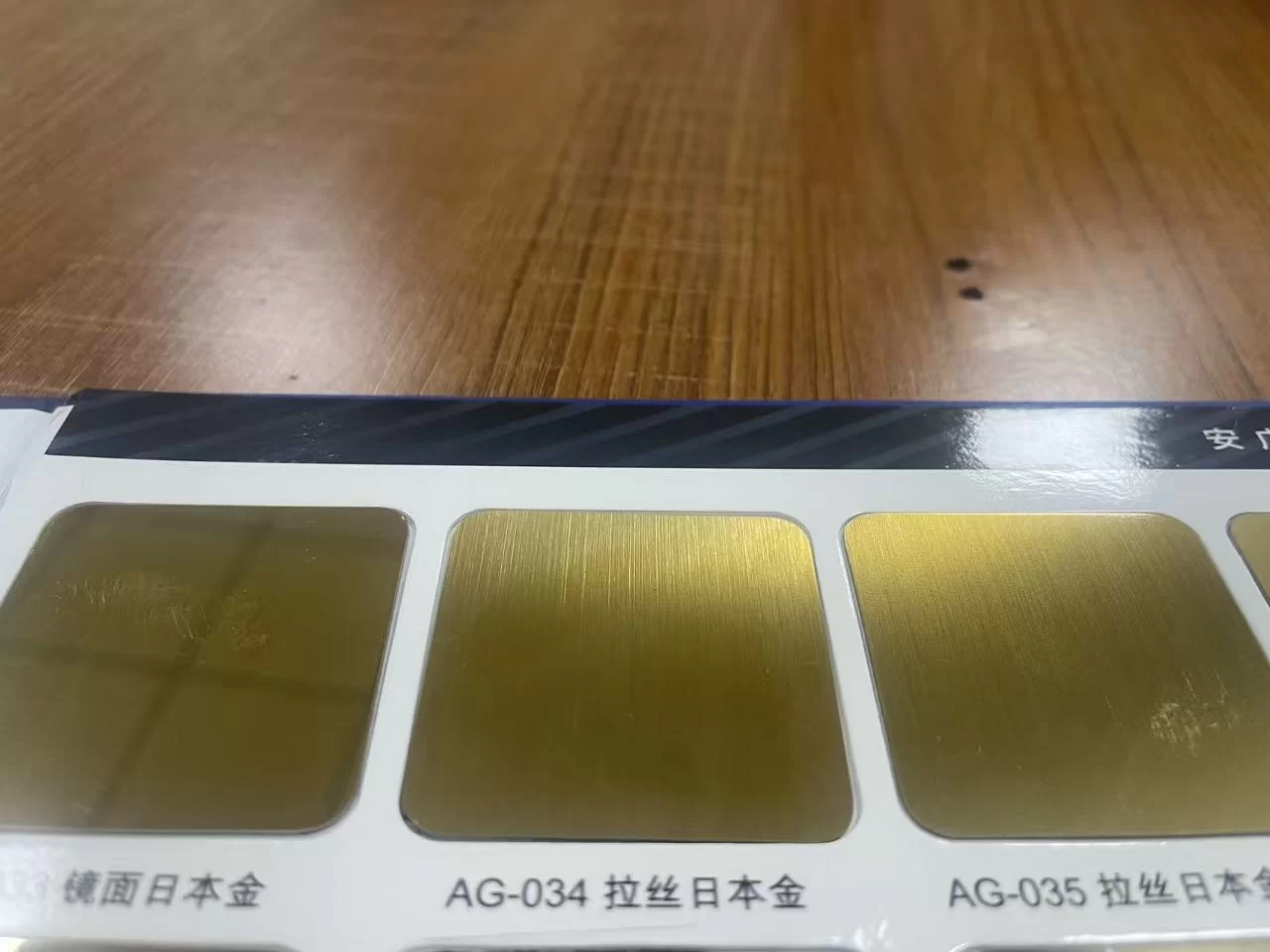
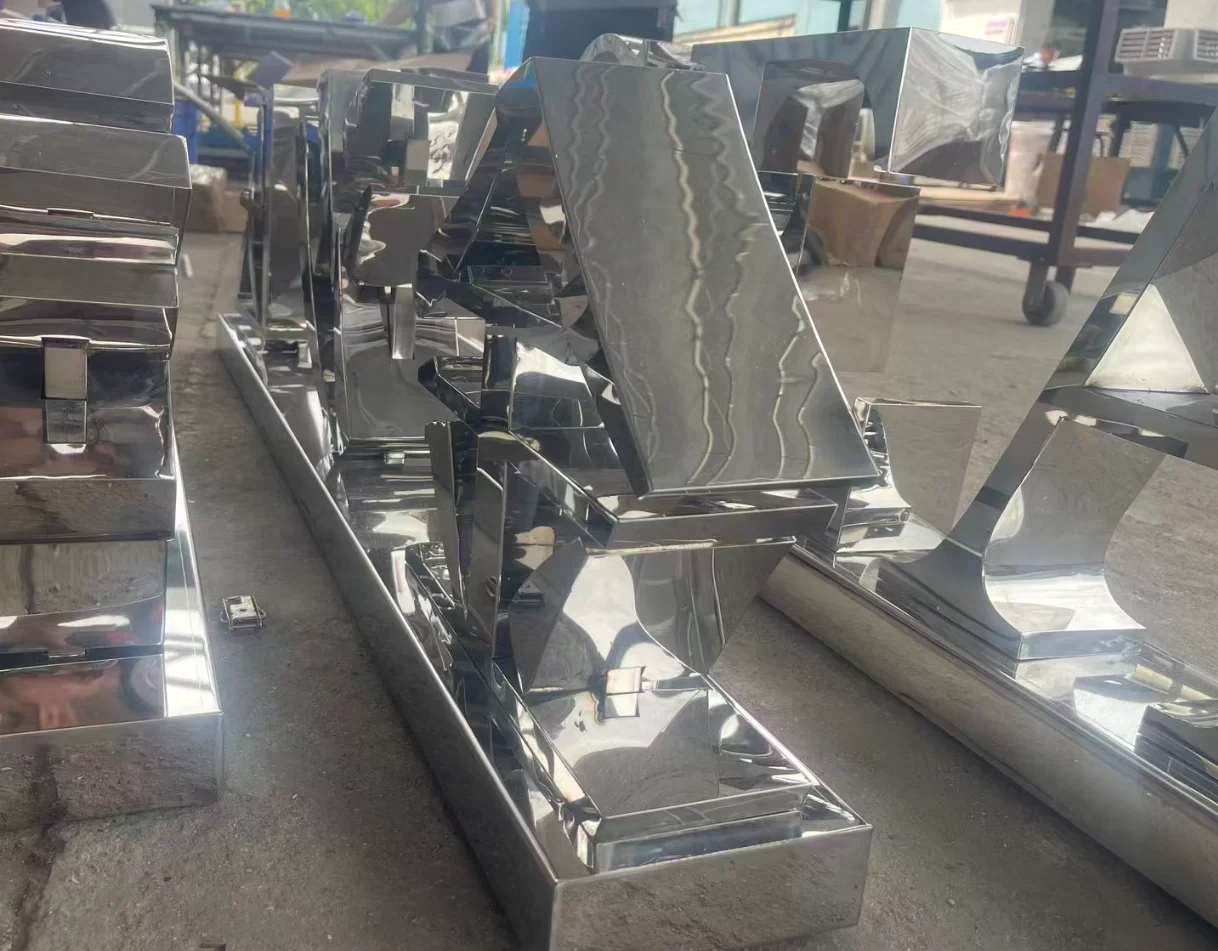
Stainless steel is the long-distance runner. 304 stainless holds up in normal inland climates for 15-20 years or more. 316 marine-grade stainless is specified for coastal, pool, and salt-air environments and can run 20+ years with minimal maintenance. Mirror and brushed finishes do not need paint, so there is nothing to chalk or peel. Our marine-grade stainless steel signs are the right choice when you want a single sign that outlasts multiple tenant cycles.
Wood and MDF signs
Real wood or MDF-based signs are indoor or covered-outdoor only. Expect 3-7 years outdoors even with good paint, because moisture, UV, and temperature cycling will delaminate the substrate.
LED neon flex
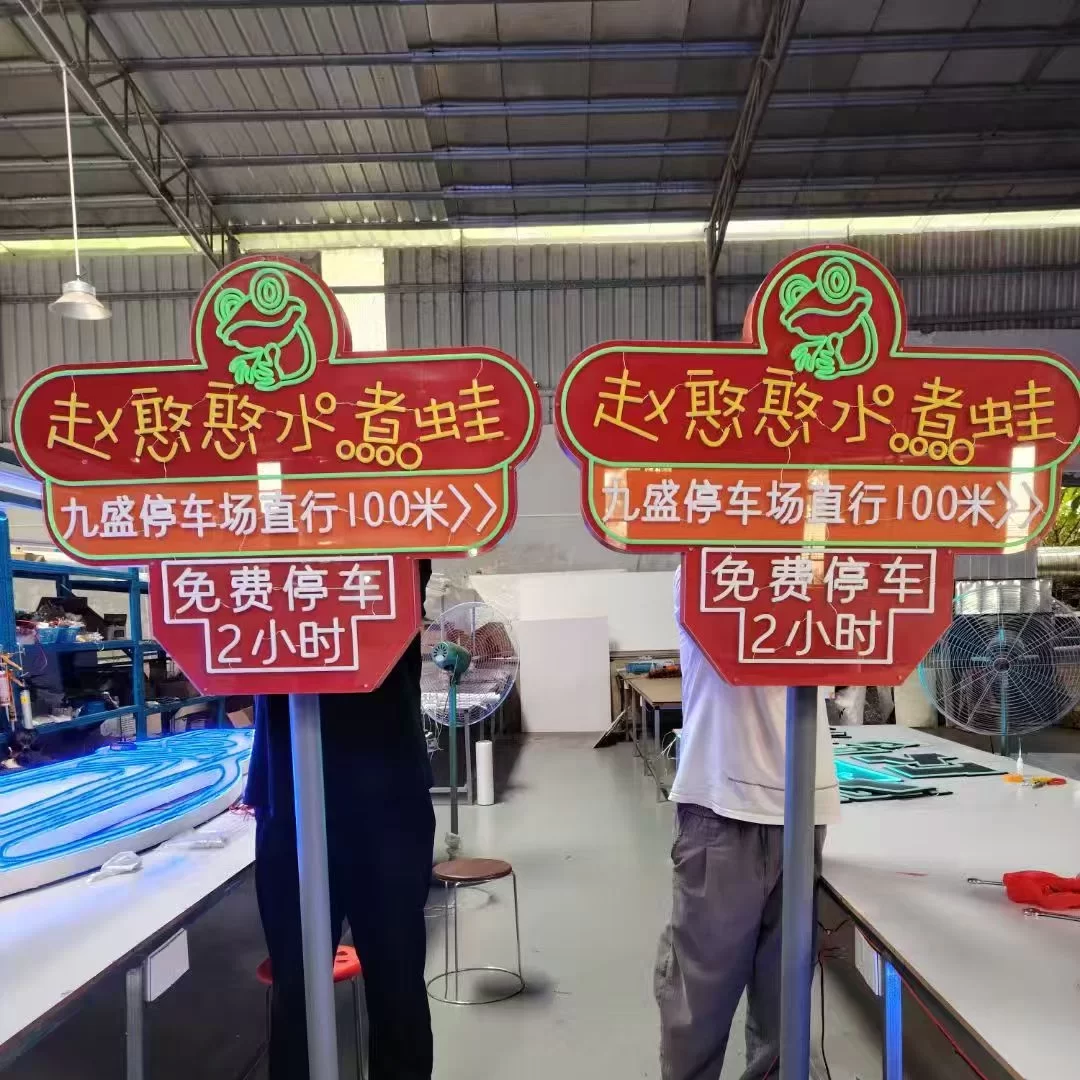
Silicone LED neon tubing typically lasts 5-10 years on a 8-12 hour daily schedule. The LED strip inside is rated 30,000-50,000 hours, and failure usually shows as gradual dimming rather than sudden death. Glass neon can last 10+ years if untouched but is vulnerable to any physical damage.
LED modules and drivers
The electronics inside any illuminated sign are the real clock. Quality brand-name LED modules rated at 30,000-50,000 hours usually deliver 5-8 years of reliable outdoor service. Cheap no-name modules can start failing in 2-3 years. LED drivers (power supplies) are often the first component to die, typically at 3-5 years, and are usually replaceable without rebuilding the sign.
Typical Lifespan Reference Table
These are typical outdoor reference ranges; actual life depends on usage, climate, maintenance, and build quality.
| Component / sign type | Typical outdoor lifespan reference |
|---|---|
| UV-stable cast acrylic faces | 5-10 years |
| Extruded / cheap acrylic | 2-4 years |
| Aluminum channel letter cans | 10-15 years |
| Powder-coated aluminum (marine grade) | 10-15+ years |
| 304 stainless steel letters | 15-20+ years |
| 316 marine-grade stainless | 20+ years |
| LED modules (quality) | 5-8 years |
| LED drivers / power supplies | 3-5 years (replaceable) |
| LED neon flex | 5-10 years |
| Glass neon | 10+ years if undamaged |
Use these figures as budgeting reference points only; a sign’s actual service life depends on hours of daily use, local climate and UV exposure, salt or pollution, sealing quality, and routine maintenance.
What Kills a Sign Early
Most signs do not wear out; they are killed by one of five predictable failures.
1. UV degradation
Direct sunlight yellows acrylic, chalks paint, and fades vinyl. The fix is specifying UV-stable cast acrylic and marine-grade powder coatings from day one. South-facing facades need the best spec.
2. Moisture ingress
Water gets into sealed letters and lightboxes through bad gaskets, unsealed entry holes, or cracked faces. Once inside, it corrodes LED boards and drivers. Properly sealed channel letters and lightbox cabinets use continuous foam gaskets and sealed cable glands.
3. Salt air and coastal corrosion
Coastal locations and near-pool environments eat ordinary aluminum and 304 stainless within a few years. The fix is 316 stainless hardware, marine-grade powder coat, and regular rinsing with fresh water.
4. Thermal cycling
Day/night and summer/winter temperature swings expand and contract materials. Poorly fastened face panels pop off; unsealed seams open. Quality fabrication accounts for thermal movement with slotted mounting holes and flexible gaskets.
5. Electrical surges and lightning
Cheap drivers die in storms. Surge protection on the sign circuit is a cheap insurance policy that extends driver life by years.
Maintenance That Extends Life
You can add years to almost any sign with a small routine.
- Clean twice a year. Wash acrylic and stainless with mild soap and water, never abrasive pads or solvent. Dirt traps moisture and UV.
- Inspect gaskets and seals annually. Re-seal any opening that has separated.
- Check LED uniformity once a season. A dimmed letter or flickering segment usually points to a failing LED module, not a dead sign.
- Test drivers every 2-3 years. Drivers are cheap; replacing them proactively avoids cascade failures.
- Tighten mounting hardware after the first year. Thermal cycling loosens standoffs.
- Keep vegetation off the sign. Vines and tree moisture accelerate rot and corrosion.
- Document the installation on day one. Take dated photos of the wiring, driver location, and serial numbers, and keep the manufacturer’s spec sheet and electrical diagram in your files. When a technician shows up three years later, that paperwork turns a two-hour diagnosis into a twenty-minute swap. Most early sign failures that get blamed on “bad manufacturing” are actually failures of undocumented repair work that used the wrong replacement driver or module bin.
Replacement Cycles and Budget Planning
Most businesses should budget for a face or LED replacement at year 5-7 and a full sign replacement at year 10-12, even on premium installations. This affects how you think about purchase price: the cheapest sign is rarely the cheapest over a decade. Our sign cost and replacement cycles guide walks through the budget math.
The choice between channel letters and lightboxes affects expected life too; our comparison of how long channel letters and lightboxes last explains why sealed lightbox cabinets often outlast individual channel letter cans in harsh climates.
For illuminated letters, the lighting style also matters. Our longevity of front-lit vs backlit letters article explains why halo backlit letters often outlast front-lit equivalents by avoiding acrylic yellowing. For flex and glass neon specifically, see our LED neon lifespan versus glass neon comparison.
Indoor vs Outdoor: Why Location Changes the Math
Almost every lifespan figure in this guide assumes outdoor exposure. Indoor signs in a dry, temperature-controlled office lobby last far longer than the table suggests: acrylic faces yellow almost not at all, LED modules run cooler, and moisture never becomes an issue. A well-built indoor acrylic letter set can easily hit 12-15 years. Conversely, a sign exposed to salt spray, acid rain, or freezing-thawing cycles will run noticeably shorter than the same product in a mild inland climate, often falling well below the table figures. When you ask a manufacturer “how long will this last?”, always tell them the installation location and climate, because the same SKU ages very differently in Phoenix, Miami, and Minneapolis.
At Hongbo Signage, standard production includes incoming material inspection, electrical testing at assembly, and an aging check before crating. Signs are built with UV-stable cast acrylic, 304/316 stainless hardware where specified, and name-brand LED modules and drivers. Export-grade crating prevents shipping damage that would otherwise end a sign’s life before installation.
What Buyers Should Prepare for a Sign Quote
Since lifespan is so climate- and spec-dependent, give the manufacturer these details so they can quote materials that will actually last:
- Vector artwork in AI/EPS/PDF with fonts outlined, sized to your final dimensions.
- Installation location and climate: city, sun exposure, coastal/salt-air, humidity, and temperature range.
- Indoor vs outdoor use, and expected daily operating hours.
- Material preference or constraint: acrylic, aluminum, 304 vs 316 stainless, wood.
- Finish and color: powder-coat spec, Pantone/RAL, and whether UV-stable cast acrylic is required.
- Lighting and LED quality needs: module brand tier, color temperature, expected reorder timeline.
- Maintenance access: how the sign will be cleaned and serviced over its life.
- Required delivery date and shipping destination.

Frequently Asked Questions
Q: How long does an outdoor illuminated sign typically last?
With quality materials, expect 8-12 years of service. The aluminum or stainless structure can last 15+ years, but the acrylic face and LED modules usually need replacement at year 5-8.
Q: Does stainless steel really last longer than aluminum?
Yes. Stainless does not need paint, so there is nothing to chalk. 304 stainless typically outlasts painted aluminum by 5-10 years, and 316 marine-grade stainless by even more in coastal air.
Q: Why did my acrylic sign turn yellow after two years?
Likely extruded rather than cast acrylic, or a non-UV-stable formulation. Specify cast, UV-stable acrylic for any outdoor sign.
Q: Can I replace the LEDs in an existing sign?
Yes. LED modules and drivers are usually serviceable. A qualified sign technician can swap modules inside channel letters or lightbox cabinets without rebuilding the sign.
Q: How do I extend my sign’s life in a coastal climate?
Specify 316 stainless hardware and marine-grade powder coat, wash salt off twice a year, inspect gaskets annually, and install surge protection on the sign circuit.
Conclusion
A commercial sign is a 10-year asset, not a 1-year purchase. Acrylic lasts 5-10 years, aluminum 10-15, stainless 15-20 or more, and quality LED modules 5-8 years. The signs that fail early are almost always killed by cheap acrylic, poor sealing, or coastal corrosion rather than normal wear. Specify the right material for your climate, run an annual inspection, and plan a face or LED refresh at year 5-7, and your sign will outlast your lease.
Planning a sign purchase that pays off over the next decade?
Hongbo Signage provides OEM/ODM custom signage manufacturing from Guangzhou, China. Get a custom sign quote within 24 hours.