


The Role of Signage in Real Estate Development
In real estate and new home development, signage is far more than a wayfinding tool—it is a critical marketing asset, a brand identity element, a regulatory compliance requirement, and a guide that helps prospective buyers navigate large development sites. From the moment a potential buyer sees the community entrance monument sign to the directional signs guiding them to the sales center, model homes, and available lots, signage shapes the buyer’s perception of the development and influences their purchasing decisions. For homebuilders, real estate developers, and property management companies, a well-designed, cohesive signage program is essential for attracting buyers, guiding visitors, complying with local regulations, and establishing a strong brand identity for the development.
Real estate development signage encompasses a wide range of sign types, each serving a specific purpose throughout the development lifecycle—from pre-construction marketing and sales to ongoing community wayfinding and property management. Unlike permanent commercial building signage, real estate development signage often includes a mix of permanent signs (community entrance monuments, street signs, building identification) and temporary signs (for sale signs, directional signs, construction site signs, model home banners) that change as the development progresses through different phases. Managing this mix of permanent and temporary signage requires careful planning, consistent branding, and an understanding of local sign regulations that may apply differently to temporary vs. permanent signs.
This guide provides a comprehensive overview of real estate and new home development signage, covering all major sign types, design considerations, regulatory requirements, material selection, and best practices for sourcing signage for residential and commercial development projects. Whether you are a homebuilder launching a new community, a developer marketing a mixed-use project, or a property manager updating signage for an existing development, this guide will help you understand what is needed and how to create an effective, cohesive signage program.
Community Entrance and Monument Signs
The community entrance sign is the first impression of a new home development, setting the tone for the entire community and establishing its brand identity. A well-designed entrance monument sign conveys quality, permanence, and attention to detail—qualities that prospective buyers associate with the homes themselves.
Monument Sign Design for Residential Communities
Monument signs for residential communities are typically low-profile, ground-mounted signs positioned at the main entrance(s) of the development. Unlike tall pylon signs (which are more common for commercial properties), residential monument signs are designed to be elegant, understated, and harmonious with the surrounding landscape and architecture. Key design considerations include:
- Materials: Common materials include natural stone (granite, limestone, cultured stone), brick (matching the community’s architectural style), precast concrete, stucco, aluminum (with powder coating), and stainless steel. Many monument signs combine multiple materials (e.g., stone base with aluminum lettering, or brick columns with an acrylic panel) for a layered, premium appearance.
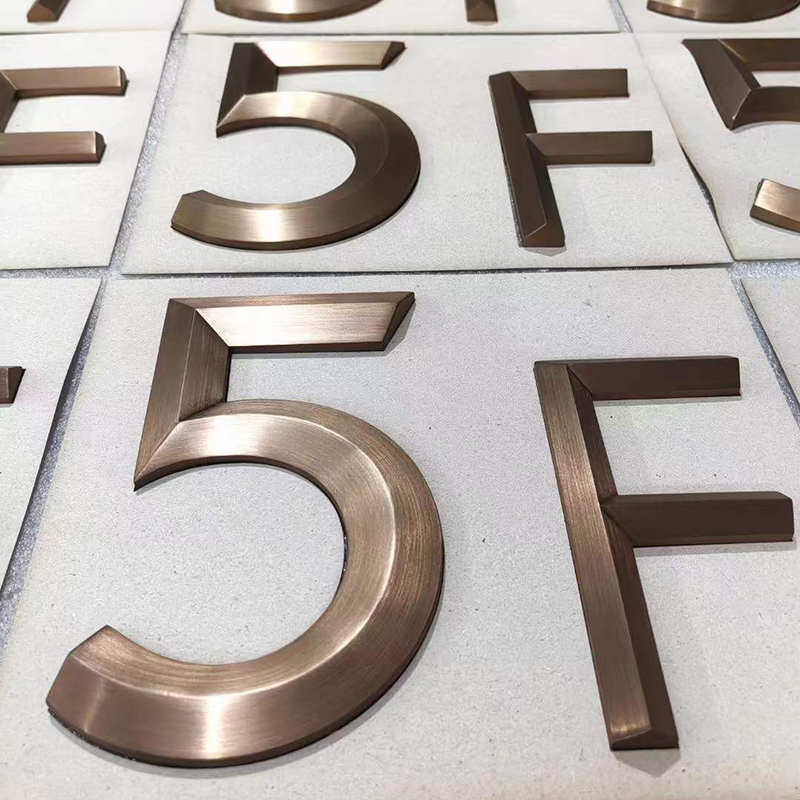
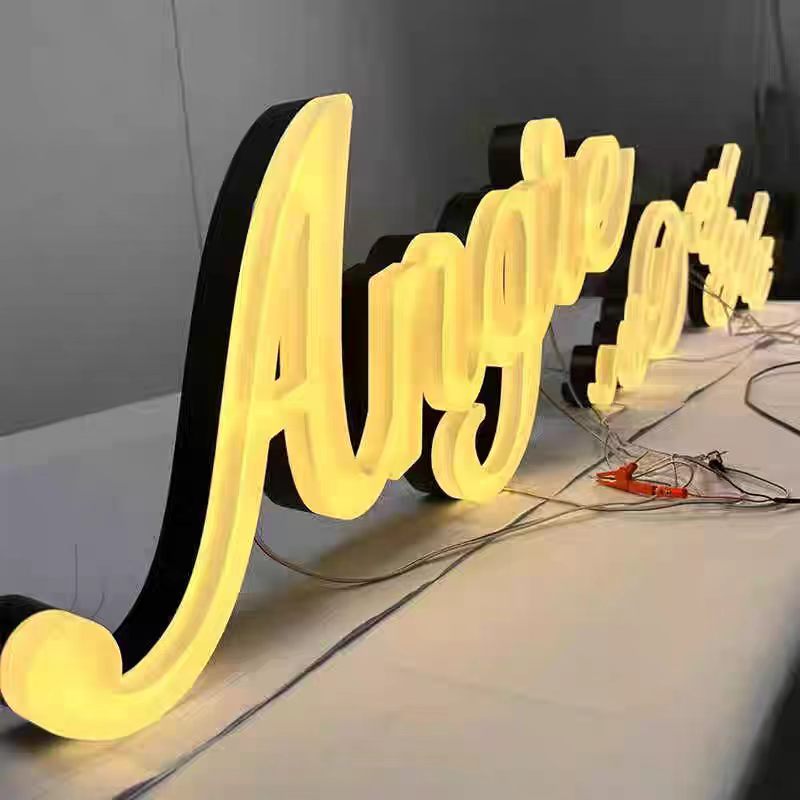
- Lettering and logos: The community name is typically displayed in raised 3D letters (metal or acrylic) for a premium, dimensional appearance. The developer’s logo or brand mark may also be included, either as a separate element or integrated into the sign design. Lettering may be illuminated (halo-lit/backlit, front-lit, or edge-lit) for nighttime visibility, or non-illuminated for a more traditional, understated look.
- Landscaping integration: Monument signs should be integrated with the entrance landscaping, including plantings, lighting, hardscaping, and water features (if applicable). The sign should be positioned to be visible from the road but not obstruct traffic visibility, and should be framed by landscaping that enhances its appearance.
- Size and proportion: Monument sign size should be proportional to the entrance width, road setback, and community scale. A typical residential community monument sign ranges from 4–8 feet tall and 8–20 feet wide, depending on the community’s size and entrance design. Larger, master-planned communities may have larger, more elaborate entrance signs.
- Illumination: Illuminated monument signs provide 24/7 visibility and enhance the community’s nighttime appearance. LED illumination is the most common choice, with options including front-lit letters, backlit/halo-lit letters (creating a glow effect on the sign background), edge-lit acrylic panels, or integrated landscape lighting that illuminates the sign from below. Warm white LED (2700K–3500K) is typically preferred for residential communities to create a welcoming, residential atmosphere.
Sub-Entrance and Phase Identification Signs
For larger, multi-phase developments, sub-entrance signs or phase identification signs may be used at secondary entrances or to identify different phases or neighborhoods within the master-planned community. These signs should be consistent with the main entrance sign design (same materials, colors, typography) but may be smaller or simpler in design. Phase identification signs help buyers and visitors navigate large communities and understand the development’s layout.
Sales Center and Model Home Signage
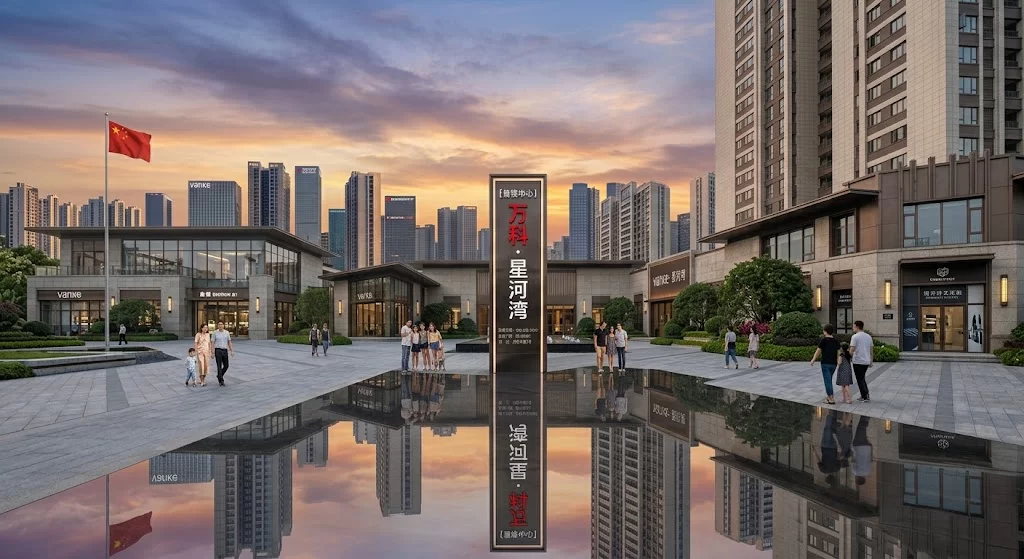
The sales center (or sales office) and model homes are the heart of a new home development’s marketing effort, and signage plays a critical role in guiding prospective buyers to these locations and creating a compelling sales environment.
Sales Center Identification Signs
The sales center should be clearly identified with a prominent, professional sign that is visible from the main road and from the community entrance. Sales center signs may include:
- Building-mounted signs: The sales center building itself should have a building-mounted identification sign (e.g., “Sales Center,” “Welcome Center,” or the community name + “Sales Center”) in the community’s brand style.
- Freestanding signs: A freestanding sign near the sales center entrance or parking area can provide additional visibility and identification, particularly if the sales center is set back from the road.
- Window graphics and door signs: Window graphics, door signs, and entrance decals can reinforce the brand and provide information (e.g., “Open Daily 10AM–6PM,” “Model Homes Open”).
- Hours and contact information: The sales center’s operating hours, contact phone number, and website should be clearly displayed on or near the entrance sign.
Model Home Signage
Model homes are the showcase of a new home development, and signage helps guide buyers to the models and provides information about each model’s features, pricing, and availability. Model home signage may include:
- Model home identification signs: Each model home should be clearly identified with a sign indicating the model name (e.g., “The Willow,” “The Oakwood”) and possibly the floor plan or square footage. These signs may be mounted on the home’s facade, on a freestanding sign in the front yard, or on a post near the driveway.
- Floor plan and feature signs: Inside the model home, informational signs can highlight key features, upgrades, and floor plan details. These may include wall-mounted signs, tabletop displays, or hanging signs that draw attention to specific features (e.g., “Chef’s Kitchen with Quartz Countertops,” “Owner’s Suite with Walk-In Closet”).
- Pricing and availability signs: Depending on the developer’s marketing strategy, pricing and availability information may be displayed near the model home entrance or in the sales center. These signs should be easy to update as prices change or homes are sold.
- “Model Home” banners or flags: Temporary banners or feather flags can draw attention to model homes, particularly during grand openings or special sales events. These should be consistent with the community’s brand colors and typography.
Sales Center Interior Signage
Inside the sales center, signage supports the sales process and provides information to prospective buyers. Interior signage may include:
- Community map and site plan: A large, wall-mounted site plan showing the community layout, available lots, model home locations, amenities, and future phases. This is one of the most important informational elements in a sales center.
- Floor plan displays: Wall-mounted or tabletop displays showing available floor plans, elevations, and pricing. These should be easy to read and update as plans or prices change.
- Amenity and lifestyle signage: Signs highlighting community amenities (pool, clubhouse, park, trails, fitness center) and lifestyle benefits. These may include photos, renderings, and descriptive text.
- Process and financing signage: Signs explaining the homebuying process, financing options, and next steps. These help educate buyers and reduce the sales team’s repetitive explanation burden.
- Regulatory and disclosure signage: Required disclosures, fair housing signage, and regulatory notices must be displayed in the sales center in compliance with federal, state, and local regulations.
For Sale and Available Lot Signs
For sale signs and available lot signs are essential marketing tools for new home developments, identifying available homes and lots and providing contact information for prospective buyers driving through the community.
For Sale Signs (Completed Homes)
For completed homes that are available for sale, a for sale sign should be prominently displayed in the front yard or near the home’s entrance. For sale signs for new home developments typically include:
- The developer or builder’s logo and brand name
- The phrase “For Sale” or “New Home for Sale”
- The model name or floor plan (optional)
- The sales center phone number or website
- The real estate agent’s name and contact information (if applicable)
- Consistent brand colors, typography, and design style
For sale signs should be durable, weather-resistant, and designed to withstand outdoor conditions for the duration of the sales period (which may be several months to over a year). Common materials include aluminum composite panels (ACM), corrugated plastic (for short-term use), PVC board, or aluminum with powder coating. Signs are typically mounted on metal stakes, wooden posts, or freestanding frames.
Available Lot Signs (Vacant Lots)
For vacant lots that are available for purchase (for build-to-order homes), available lot signs identify the lot number, lot size, and possibly the price or floor plan options. These signs are typically smaller and simpler than for sale signs for completed homes, and may include:
- Lot number (prominently displayed)
- Lot size or dimensions (optional)
- The phrase “Available” or “Lot for Sale”
- The sales center phone number or website
- Consistent brand colors and typography
Available lot signs should be positioned at the front of the lot, visible from the street, and securely mounted to prevent theft or damage. As lots are sold, signs should be promptly removed or replaced with “Sold” signs to maintain accurate information and create a sense of momentum and demand.
“Sold” and “Pending” Signs
As homes or lots are sold, replacing the for sale sign with a “Sold” or “Pending” sign creates social proof and a sense of urgency for prospective buyers. Sold signs should be consistent with the for sale sign design (same size, materials, brand style) but with “Sold” prominently displayed. Some developers use “Sold” rider signs that attach to the top of the existing for sale sign, rather than replacing the entire sign. Pending signs (for homes under contract but not yet closed) may also be used, depending on the developer’s marketing strategy and local real estate practices.
Directional and Wayfinding Signs
Directional signs are critical for guiding prospective buyers, visitors, and delivery vehicles through new home developments, which can be large, complex, and constantly changing as construction progresses. A well-designed directional signage system ensures that visitors can easily find the sales center, model homes, available lots, and community amenities without getting lost or needing to ask for directions.
Off-Site Directional Signs
Off-site directional signs are placed on public roads near the development, guiding traffic from major roads or highways to the community entrance. These signs are particularly important for developments that are not directly visible from a major road or that require navigation through local streets. Off-site directional signs typically include:
- The community name and logo
- A directional arrow indicating the direction to the development
- The phrase “Sales Center” or “Model Homes” (to indicate the destination)
- Distance to the development (optional, e.g., “1 Mile Ahead”)
Off-site directional signs are subject to local sign regulations and may require permits from the local transportation department or city. In many jurisdictions, off-site directional signs are regulated as “off-premise signs” and may be subject to stricter regulations than on-site signs. Some jurisdictions prohibit off-site directional signs entirely, while others allow them with specific permits, time limits, and size restrictions. Always consult with the local building department or transportation department to determine the requirements for off-site directional signs in your area. Our guide to outdoor sign permits and zoning provides additional information on sign regulations.
On-Site Directional Signs
On-site directional signs are placed within the development, guiding visitors from the entrance to the sales center, model homes, available lots, and amenities. On-site directional signs should be placed at all decision points (entrance, intersections, forks in the road) and should use consistent design, typography, and iconography. Key on-site directional signs include:
- Entrance directional signs: At the main entrance, a directional sign should indicate the direction to the sales center, model homes, and (if applicable) community amenities.
- Intersection signs: At every intersection within the development, directional signs should guide visitors to their destination. For large developments, these signs may include multiple destinations with arrows in different directions.
- Sales center directional signs: Signs guiding visitors to the sales center should be placed at regular intervals along the route, with arrows indicating turns and the final destination.
- Model home directional signs: Signs guiding visitors to model homes should identify each model by name and indicate the direction to each model. For developments with multiple model homes, a directory sign near the sales center or model home area can show the location of each model.
- Amenity directional signs: Signs guiding visitors to community amenities (pool, clubhouse, park, trails) should be placed at decision points and near the amenity entrances.
- Construction and delivery directional signs: Signs guiding construction vehicles, delivery trucks, and service personnel to construction areas, staging areas, and loading zones help keep construction traffic separate from visitor traffic and improve safety.
Temporary vs. Permanent Directional Signs
Real estate developments often use a mix of temporary and permanent directional signs:
- Temporary directional signs: Used during the active sales and construction phase, temporary signs are typically made of lightweight, lower-cost materials (corrugated plastic, PVC, aluminum composite panels) and mounted on stakes or portable frames. Temporary signs are designed to be easily moved, updated, or removed as the development progresses and destinations change. They may include for sale directional signs, model home directional signs, and construction area signs.
- Permanent directional signs: Used for long-term community wayfinding after the development is completed, permanent signs are made of durable materials (aluminum, stone, brick, stainless steel) and mounted on permanent posts or structures. Permanent signs typically identify streets, community amenities, building numbers, and emergency information. They should be consistent with the community’s architectural style and landscape design.
During the development phase, it is common to use temporary directional signs that can be easily updated as model homes move, lots are sold, and new phases open. After the development is completed, these temporary signs are replaced with permanent community wayfinding signs that serve the ongoing needs of residents and visitors.
Construction Site and Regulatory Signs
During the construction phase of a new home development, a variety of construction site and regulatory signs are required for safety, compliance, and information. These signs are typically temporary and must comply with OSHA (Occupational Safety and Health Administration) regulations, local building codes, and other applicable requirements.
Construction Site Safety Signs
- “Construction Area” / “Authorized Personnel Only” signs: Posted at construction site entrances and perimeters to restrict access to authorized personnel only.
- “Hard Hat Area” / “Safety Equipment Required” signs: Posted at entrances to active construction areas, indicating that hard hats, safety glasses, steel-toed boots, or other personal protective equipment (PPE) is required.
- “Warning” / “Danger” signs: Posted near specific hazards such as open excavations, high voltage, heavy equipment operation, or falling debris.
- “No Trespassing” signs: Posted around the construction site perimeter to deter unauthorized access.
- Speed limit and traffic control signs: Posted on construction site access roads to control vehicle speed and traffic flow, reducing the risk of accidents involving construction vehicles and visitors.
Regulatory and Permit Display Signs
- Building permit display signs: Required by most local building departments, these signs display the building permit number, project description, contractor information, and inspection schedule. They are typically posted in a visible location on the construction site (e.g., on a post near the site entrance or on the building itself).
- Development permit / zoning signs: Some jurisdictions require that development permits or zoning approvals be posted on-site during construction, indicating the approved development plan, number of units, and other key information.
- Stormwater pollution prevention signs: Required by EPA and state environmental regulations in many areas, these signs indicate the presence of stormwater pollution prevention measures (e.g., silt fences, sediment basins) and prohibit tampering with these measures.
- Wetland / environmental protection signs: If the development site includes wetlands, endangered species habitat, or other environmentally sensitive areas, signs may be required to identify these areas and prohibit disturbance.
Community and Stakeholder Communication Signs
- Project information signs: Large signs near the construction site entrance can provide information about the development, including the developer name, project name, number of homes, expected completion date, and contact information for questions or concerns. These signs help communicate with neighboring residents and the community.
- “Coming Soon” / “Now Selling” signs: Marketing signs posted at the development site during pre-construction or early construction phases, generating interest and providing contact information for prospective buyers.
- Grand opening / event signs: Temporary signs for grand opening events, model home unveilings, or special sales events, guiding attendees and creating excitement.
Street Signs and Address Identification
For new home developments, street signs and address identification are essential for navigation, emergency services, and mail delivery. These signs are typically required by local regulations and must meet specific standards for size, reflectivity, mounting height, and placement.
Street Name Signs
Street name signs identify the names of streets within the development and are typically installed at intersections. Requirements for street name signs vary by jurisdiction but typically include:
- Specific sign dimensions (e.g., 6″×18″ or 8″×24″ depending on street classification)
- Specific letter height (e.g., 4″–6″ uppercase letters)
- Specific color scheme (e.g., green background with white letters for local streets, blue background with white letters for private roads)
- Retroreflective sheeting (for nighttime visibility) meeting specific ASTM or FHWA standards
- Mounting height (typically 7–9 feet above the roadway for signs mounted on breakaway posts)
- Placement at intersections, visible from all approaches
Street name signs may be the responsibility of the developer (during construction and until the streets are dedicated to the city) or the municipality (after dedication). Always verify with the local public works department or transportation department who is responsible for street name signs and what standards apply.
Address / House Number Signs
Each home in the development must have a visible address or house number for identification by emergency services, mail delivery, and visitors. Address number requirements vary by jurisdiction but typically include:
- Minimum number height (e.g., 4″–6″ for residential addresses)
- High contrast between numbers and background (e.g., dark numbers on light background, or vice versa)
- Visibility from the street (numbers should be mounted on the front of the home, on a mailbox, or on a post near the driveway)
- Reflective or illuminated numbers (required in some jurisdictions for nighttime visibility)
For new home developments, the developer may provide standard address numbers as part of the home’s exterior finishes, or homeowners may choose their own address numbers that comply with local regulations. Model homes and the sales center should have clearly visible address numbers to help visitors and emergency services locate them.
Private Road and Community Gate Signs
For developments with private roads, gated entrances, or community-specific traffic regulations, additional signs may be required:
- “Private Road” / “No Through Traffic” signs: Indicating that roads within the development are private and not intended for through traffic.
- Speed limit signs: Posted on private roads within the development, indicating the community speed limit (typically 15–25 mph in residential areas).
- Stop signs and traffic control signs: At intersections within the development, as required by traffic engineering standards and local regulations.
- Gate and access control signs: For gated communities, signs indicating access procedures, visitor instructions, and emergency access protocols.
- Community rules and regulations signs: Posted at community entrances or amenities, indicating community rules (e.g., pool hours, pet policies, speed limits, trash collection schedules).
Designing a Cohesive Real Estate Signage Program
A successful real estate development signage program is cohesive, consistent, and aligned with the development’s brand identity and target market. Follow these best practices when designing your signage program:
1. Develop a Signage Master Plan
Before purchasing or installing any signs, develop a comprehensive signage master plan that identifies all sign types, locations, and specifications needed throughout the development lifecycle. The master plan should include:
- Community entrance monument signs (main and secondary entrances)
- Sales center and model home signage
- For sale and available lot signs
- Off-site and on-site directional signs
- Construction site and regulatory signs
- Street signs and address identification
- Community amenity and wayfinding signs (permanent)
- Building identification signs (clubhouse, pool, fitness center, etc.)
The master plan should also specify the design system (materials, colors, typography, layout, mounting method) to ensure consistency across all signs, and should identify which signs are temporary (for the sales/construction phase) vs. permanent (for the completed community).
2. Establish a Consistent Brand Identity
All signage within the development should reflect a consistent brand identity, including:
- Logo usage: The developer’s or community’s logo should be used consistently across all signs, with clear guidelines for size, placement, and clear space.
- Color palette: Establish a brand color palette and use it consistently across all signs. The color palette should reflect the development’s target market and architectural style (e.g., earth tones for a nature-focused community, modern neutrals for an urban development, warm traditional colors for a family-oriented community).
- Typography: Use a consistent font family across all signs, with specified weights and sizes for different sign types. The font should be legible from a distance and appropriate for the brand style (e.g., a clean sans-serif for modern developments, a traditional serif for classic communities).
- Materials and finishes: Specify consistent materials and finishes for all signs (e.g., brushed aluminum with matte powder coating, or cultured stone with acrylic lettering). Materials should be durable, weather-resistant, and appropriate for the development’s climate and environment.
- Layout and format: Establish consistent layout templates for different sign types (for sale signs, directional signs, model home signs), with consistent placement of logo, text, arrows, and contact information.
3. Consider the Development Lifecycle
Real estate development signage needs change throughout the development lifecycle. Plan for these changes by designing a signage program that can adapt as the development progresses:
- Pre-construction / pre-sales phase: Focus on off-site directional signs, “Coming Soon” signs, construction site signs, and early sales center signage.
- Active sales / construction phase: Add for sale signs, available lot signs, model home signage, on-site directional signs, and sales center interior signage. Update signs regularly as model homes change, lots are sold, and new phases open.
- Final sales / closeout phase: Reduce the number of for sale and directional signs as homes are sold. Focus on remaining inventory and closeout marketing.
- Completed community / post-development phase: Replace temporary sales and construction signs with permanent community wayfinding signs, amenity identification signs, and building identification signs. Remove all temporary sales signage.
4. Prioritize Durability and Weather Resistance
Real estate development signage is exposed to outdoor conditions for extended periods (months to years), and must withstand sun, rain, wind, snow, temperature extremes, and potential vandalism. Prioritize durable, weather-resistant materials and construction:
- Permanent signs: Use commercial-grade materials such as aluminum (with powder coating), stainless steel, stone, brick, precast concrete, or high-quality acrylic. Ensure all metal components are corrosion-resistant (316 stainless steel for coastal areas, marine-grade powder coating).
- Temporary signs: Use durable but cost-effective materials such as aluminum composite panels (ACM), PVC board, or corrugated plastic (for very short-term use). Ensure signs are securely mounted to prevent wind damage or theft.
- Illuminated signs: Use UL-listed LED modules and power supplies with appropriate IP ratings (IP65+ for outdoor use). Ensure all electrical connections are weather-sealed and installed by a licensed electrician.
- UV protection: Ensure all printed graphics and painted finishes have UV protection to prevent fading from sun exposure. Laminated prints and powder-coated finishes offer better UV resistance than unprotected prints or paint.
5. Comply with Local Sign Regulations
Real estate development signage is subject to local sign codes and zoning regulations, which may have specific requirements for permanent signs, temporary signs, construction signs, and off-site directional signs. Key regulatory considerations include:
- Permanent sign permits: Community entrance monument signs, building-mounted signs, and other permanent signs typically require a sign permit from the local building department.
- Temporary sign permits: For sale signs, directional signs, banners, and construction signs may be subject to temporary sign regulations, including size limits, duration limits (e.g., no more than 30–90 days), and placement restrictions. Some jurisdictions require permits for temporary signs, while others allow them without permits under specific conditions.
- Off-site sign regulations: Off-site directional signs are often subject to stricter regulations than on-site signs and may require special permits from the local transportation department or city. Some jurisdictions prohibit off-site signs entirely.
- Homeowners’ association (HOA) and design review: If the development is subject to an HOA or design review board, all signage may need to be approved by the HOA or design review committee to ensure consistency with community standards.
- Street sign standards: Street name signs and address numbers must meet local public works or transportation department standards for size, reflectivity, mounting, and placement.
Always consult with the local building department, planning department, and transportation department early in the planning process to understand all applicable sign regulations and permit requirements. Our guide to outdoor sign permits and zoning provides detailed information on the permit process.
Sourcing Real Estate Development Signage: What to Look for
When sourcing signage for a real estate development project, select a manufacturer with experience in real estate and development signage and the capacity to handle large, multi-phase projects. Consider the following criteria:
- Real estate signage experience: Look for a manufacturer with specific experience in designing and manufacturing signage for homebuilders, real estate developers, and property management companies. Real estate development signage has unique requirements (mix of permanent and temporary signs, phased rollouts, brand consistency across multiple locations) that general sign manufacturers may not fully understand.
- Full-service capabilities: Choose a manufacturer that offers end-to-end services, including signage master planning, design, fabrication, finishing, illumination, packaging, shipping, installation support, and sign removal/replacement services. A full-service manufacturer can manage the entire signage program, reducing coordination effort and ensuring consistency.
- Multi-phase / multi-location capacity: For large, multi-phase developments or multi-community builders, verify that the manufacturer has the production capacity and project management systems to handle phased rollouts, consistent quality across all phases, and coordinated production and shipping schedules.
- Customization capabilities: Real estate developments often require custom signage solutions (custom monument sign designs, custom for sale sign layouts, changeable insert systems, brand-specific colors and materials). Ensure the manufacturer can accommodate your specific custom requirements.
- Material quality and durability: Ensure the manufacturer uses commercial-grade, durable, weather-resistant materials suitable for outdoor use. Request material samples and finish samples to evaluate quality and durability.
- Permit and code compliance support: Verify that the manufacturer can provide the documentation and certifications needed for sign permit applications, including structural calculations (for monument signs), UL listing certificates (for illuminated signs), and sign drawings/specifications.
- Installation support: For developments using local installers, verify that the manufacturer provides comprehensive installation instructions, mounting templates, wiring diagrams, and technical support. For turnkey projects, verify that the manufacturer can coordinate or provide installation services.
- Warranty and after-sales support: Inquire about the manufacturer’s warranty coverage (typically 1–5 years for materials and workmanship, 1–2 years for LED components) and after-sales support, including replacement parts availability, sign repair services, and technical assistance. Our guide to sign warranty and after-sales support provides information on evaluating warranty coverage.
- References and portfolio: Request references from previous homebuilder or developer clients and review the manufacturer’s portfolio of real estate development signage projects to assess their design quality, craftsmanship, and experience.
- Pricing and value: While price is always a consideration, prioritize value over the lowest price. A slightly more expensive sign that is more durable, better designed, and backed by strong warranty and support will provide better long-term value than a cheaper sign that fades, breaks, or requires frequent replacement.
Hongbo Sign Real Estate Development Signage Solutions
At Hongbo Sign, we design and manufacture comprehensive signage solutions for real estate developers, homebuilders, and property management companies worldwide. With over a decade of experience in commercial signage manufacturing and a deep understanding of the unique requirements of real estate development projects, we deliver high-quality, brand-consistent signage programs that support marketing efforts, guide visitors, and enhance community identity.
- Comprehensive product range: We manufacture every type of real estate development signage, including community entrance monument signs, sales center signs, model home signage, for sale signs, available lot signs, sold/pending signs, off-site and on-site directional signs, construction site safety signs, regulatory signs, street signs, address identification, amenity identification signs, and permanent community wayfinding signs.
- Custom monument sign design: We specialize in custom-designed community entrance monument signs, combining materials such as natural stone, brick, precast concrete, aluminum, stainless steel, and acrylic to create unique, high-end entrance statements that reflect the community’s brand and architectural style. We offer illuminated and non-illuminated options, with LED front-lit, backlit/halo-lit, and edge-lit illumination.
- Brand-consistent signage systems: We work with you to develop a cohesive signage design system that reflects your development’s brand identity, including consistent logo usage, color palette, typography, materials, and layout templates across all sign types. We can match your existing brand standards or develop a new signage system tailored to your development.
- Temporary and permanent sign solutions: We offer both temporary signage (for the active sales and construction phase) and permanent signage (for the completed community), with appropriate materials and construction for each application. Temporary signs use durable, cost-effective materials (ACM, PVC, corrugated plastic) designed for easy installation and removal. Permanent signs use commercial-grade materials (aluminum, stainless steel, stone, brick) designed for long-term outdoor durability.
- Multi-phase rollout capability: Whether you are developing a single community or a 20-phase master-planned development, we have the production capacity and project management systems to deliver consistent, high-quality signage across all phases. We offer centralized project management, phased production and shipping schedules, brand consistency controls, and bulk pricing for large orders.
- Permit-ready documentation: We provide detailed sign drawings, specifications, structural calculations (for monument and freestanding signs), UL listing certificates (for illuminated signs), and material specifications to support sign permit applications and building inspections. Our guide to outdoor sign permits provides additional information on the permit process.
- International shipping and installation support: We ship real estate development signage worldwide with careful packaging to protect signs during transit. We provide comprehensive installation instructions, mounting templates, wiring diagrams, and technical support for your local installation team. Our guide to shipping terms provides information on FOB, EXW, and CIF options for international orders.
- Competitive factory-direct pricing: As a direct manufacturer, we offer competitive factory-direct pricing with no middleman markup. We provide transparent, itemized quotations with no hidden fees, and we can work with you to find cost-effective solutions that meet your budget without compromising quality, brand consistency, or durability.
We understand that real estate development signage is a critical marketing investment that directly impacts sales, brand perception, and community identity. That’s why we take a consultative, detail-oriented approach, working closely with developers, homebuilders, marketing teams, and property managers to ensure that every sign meets the unique needs of the development at every phase. From initial signage master planning and design to production, quality control, shipping, and after-sales support, we’re with you every step of the way.
Ready to elevate your real estate development signage? Contact us today for a free consultation and factory-direct quote. Our team will help you design a cohesive, high-impact signage program that supports your sales goals and enhances your community’s identity.

Frequently Asked Questions
Q: What signage does a new home development need?
A: A typical new home development signage package includes a monument or pylon sign at the main entrance, sales center identification, directional and wayfinding signs, model home identification, lot markers, street signs, regulatory signs, and temporary construction signage. The specific package depends on development size, target market, and brand requirements.
Q: How long does real estate signage last?
A: Permanent development signage—such as monument signs, building identification, and wayfinding—typically lasts 7–15 years with proper maintenance. Temporary signs like construction banners, for-sale signs, and model home markers may last 1–3 years or for the duration of the sales phase. Material choice, installation quality, and environmental conditions all affect lifespan.
Q: Can development signage be updated as phases are completed?
A: Yes, many developments use modular signage systems that allow for phased updates. Changeable letter panels, digital displays, and removable tenant panels make it easy to update information as construction progresses, amenities are completed, and units are sold. Always plan for update flexibility during the initial signage design phase.