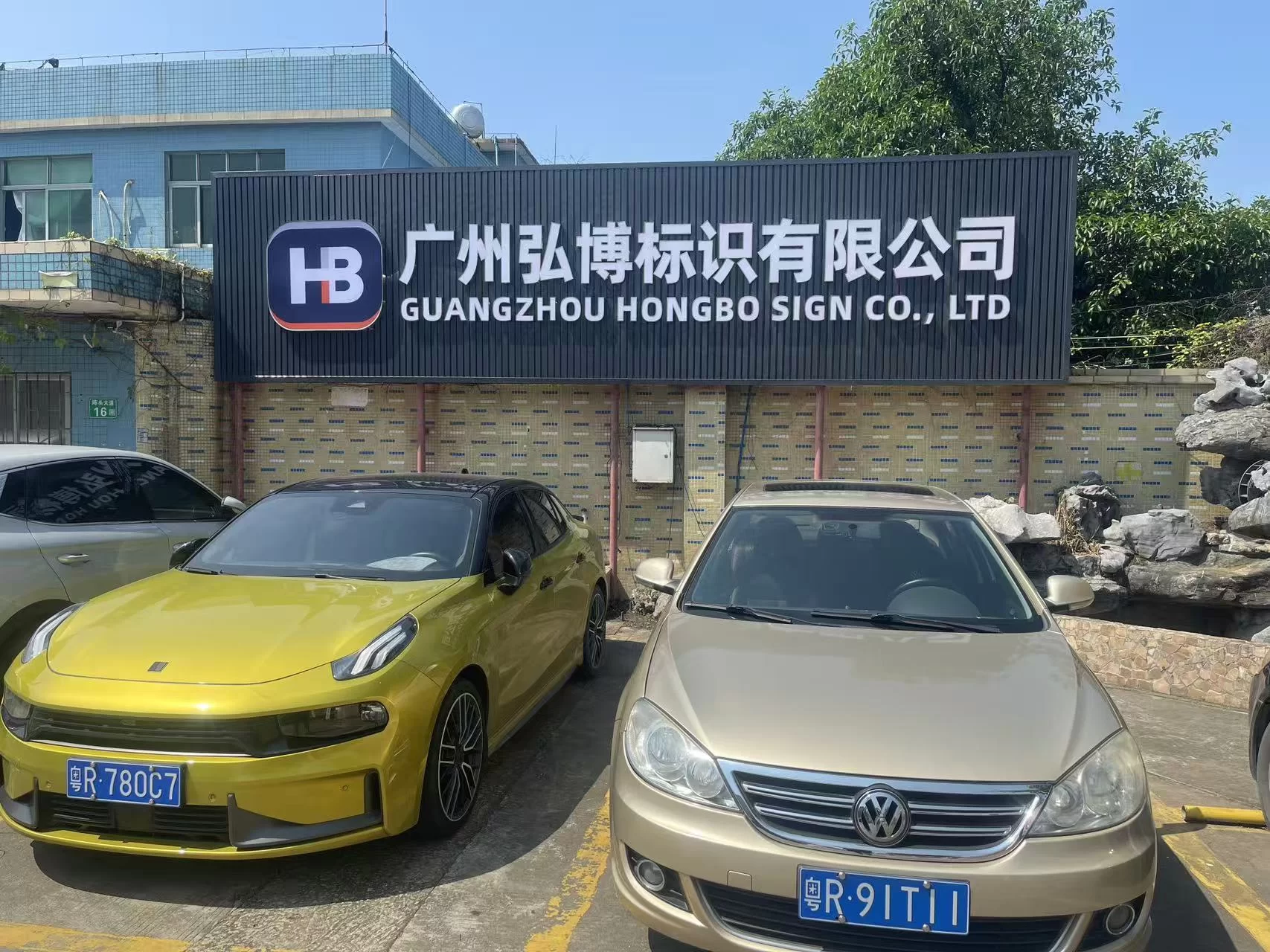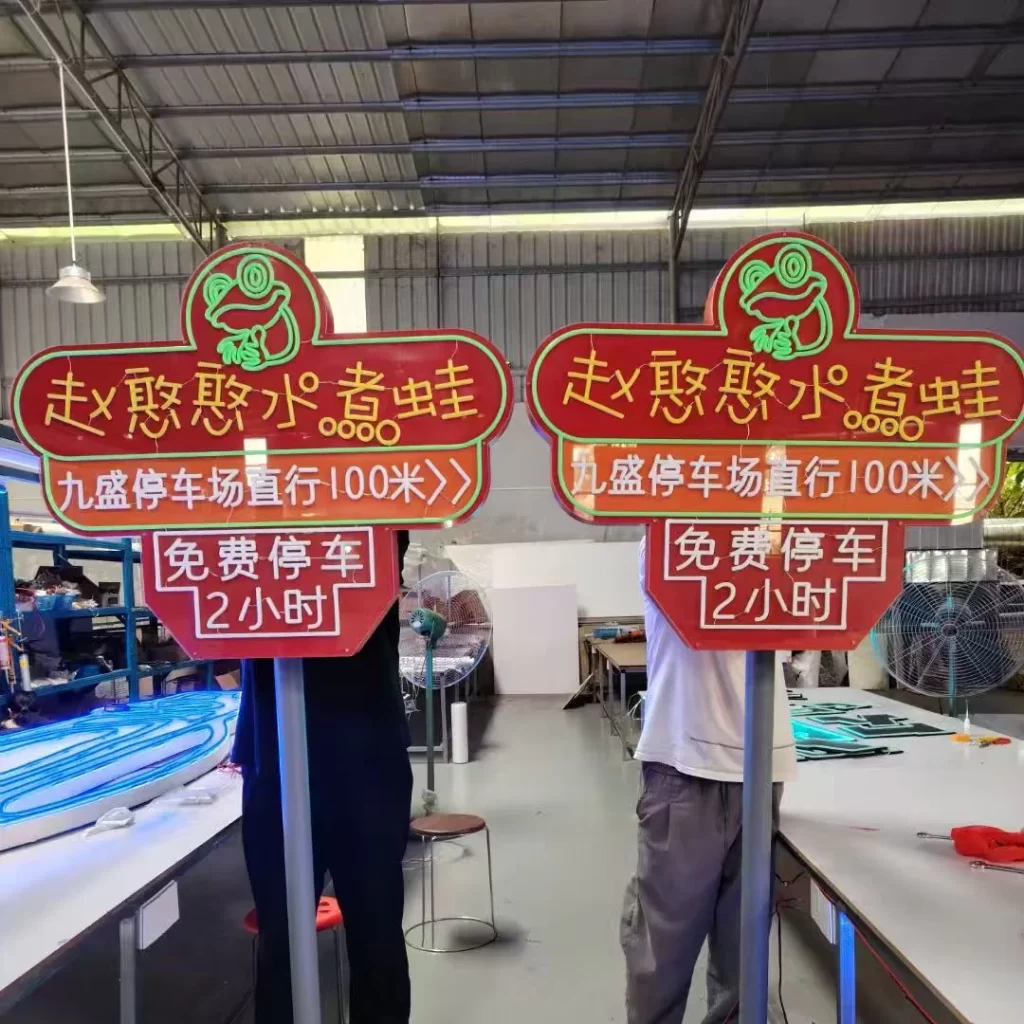
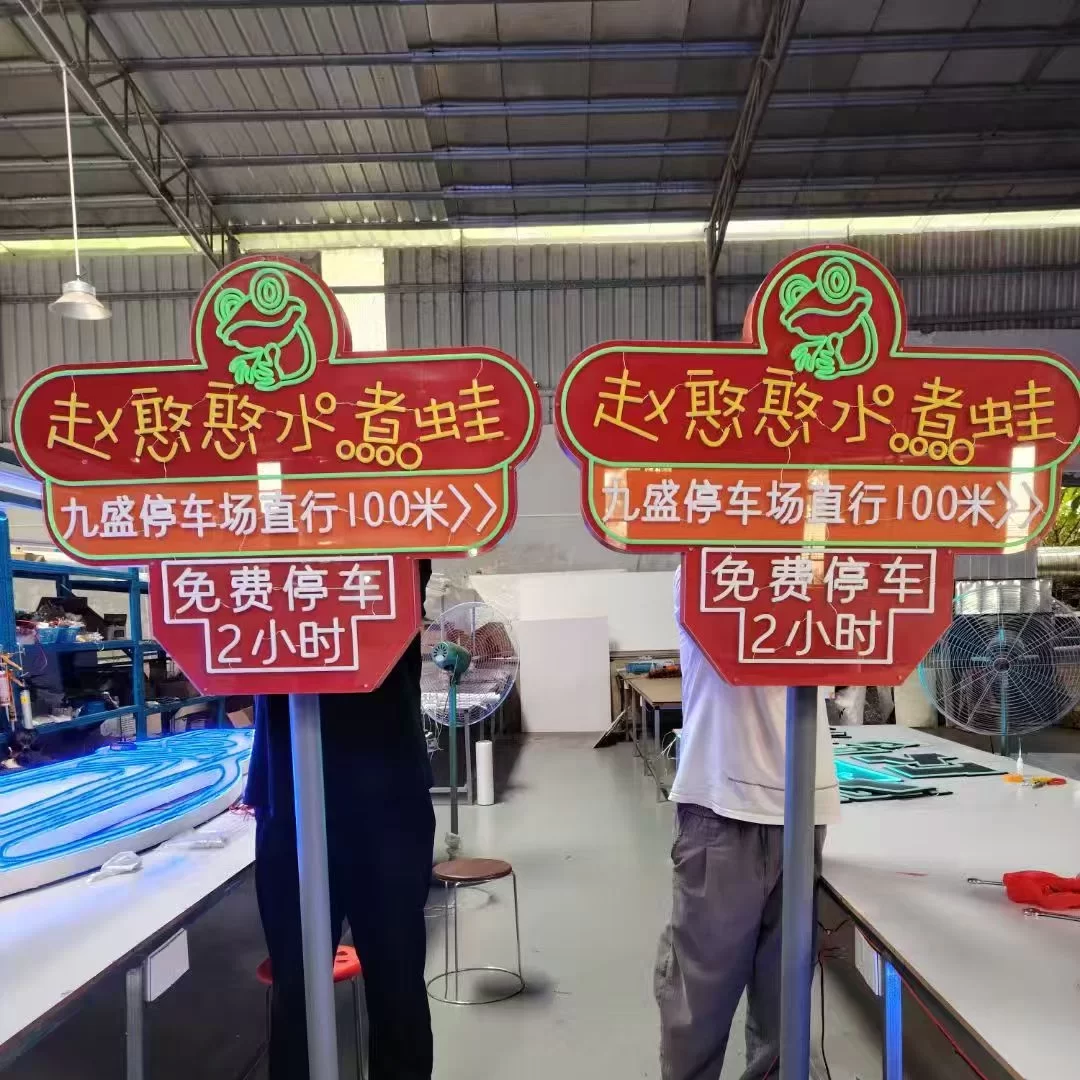



For European retailers, restaurant chains, hotel groups, and architectural studios, the decision to import signs from China directly through an OEM/ODM manufacturer has become a serious alternative to local fabrication. The supply chain around Guangzhou is deep: aluminum extrusion, acrylic fabrication, stainless laser cutting, LED module sourcing, and powder coating are all available at scale, and unit pricing remains well below European domestic production for moderate-to-large quantities.
Hongbo Signage exports custom halo letters, brushed-metal lightboxes, modular LED logo signs, and illuminated wayfinding to clients across the European Union, the United Kingdom, Switzerland, and Norway. This guide walks through the practical workflow of importing signs from China into Europe: CE marking and the underlying EMC and LVD directives, the EU importer and authorized representative requirement, VAT by member state, Incoterms, palletized sea freight, and language labeling. It is manufacturer guidance, not legal or customs advice. Tariff rates, VAT percentages, and CE enforcement details change—always work with a licensed EU customs broker and an importer of record.
Why Source Signs From China for EU Projects?
European sign fabrication is strong, but labor cost and long lead times on multi-site rollouts make direct sourcing attractive. The typical case for import:
- Multi-site retail, QSR, or hotel rollouts needing consistent branding across 10+ locations.
- Custom architectural signage where European suppliers quote long lead times.
- Premium finishes (brushed stainless, rose-gold lightboxes, acrylic halo) where Chinese fabrication depth is competitive.
- Projects where the design team wants direct control over materials and LED specifications.
For a broader comparison against local supply, see China sourcing comparison.
CE Marking and the EMC/LVD Directives
Illuminated electrical signs sold into the European Economic Area fall under applicable CE marking requirements for electrical equipment. The two core directives are:
- EMC Directive (Electromagnetic Compatibility). The sign must not generate excessive electromagnetic interference and must be reasonably immune to interference from other equipment.
- LVD Low Voltage Directive (for equipment within the defined voltage range). Covers electrical safety of equipment supplied between defined AC and DC voltage bands, including insulation, creepage, and shock protection.
For LED-powered signs, typical compliance steps include:
- Using CE-certified LED drivers and power supplies.
- Complying with EMC emissions and immunity standards.
- Providing technical construction files (TCF), test reports, and an EU declaration of conformity.
- Applying the CE mark on the product or packaging.
Non-illuminated signs (pure acrylic, stainless, or aluminum fabricated without electronics) fall outside the LVD/EMC scope, but other EU rules still apply—most notably general product safety, packaging waste rules, and possibly REACH restrictions on certain chemicals.
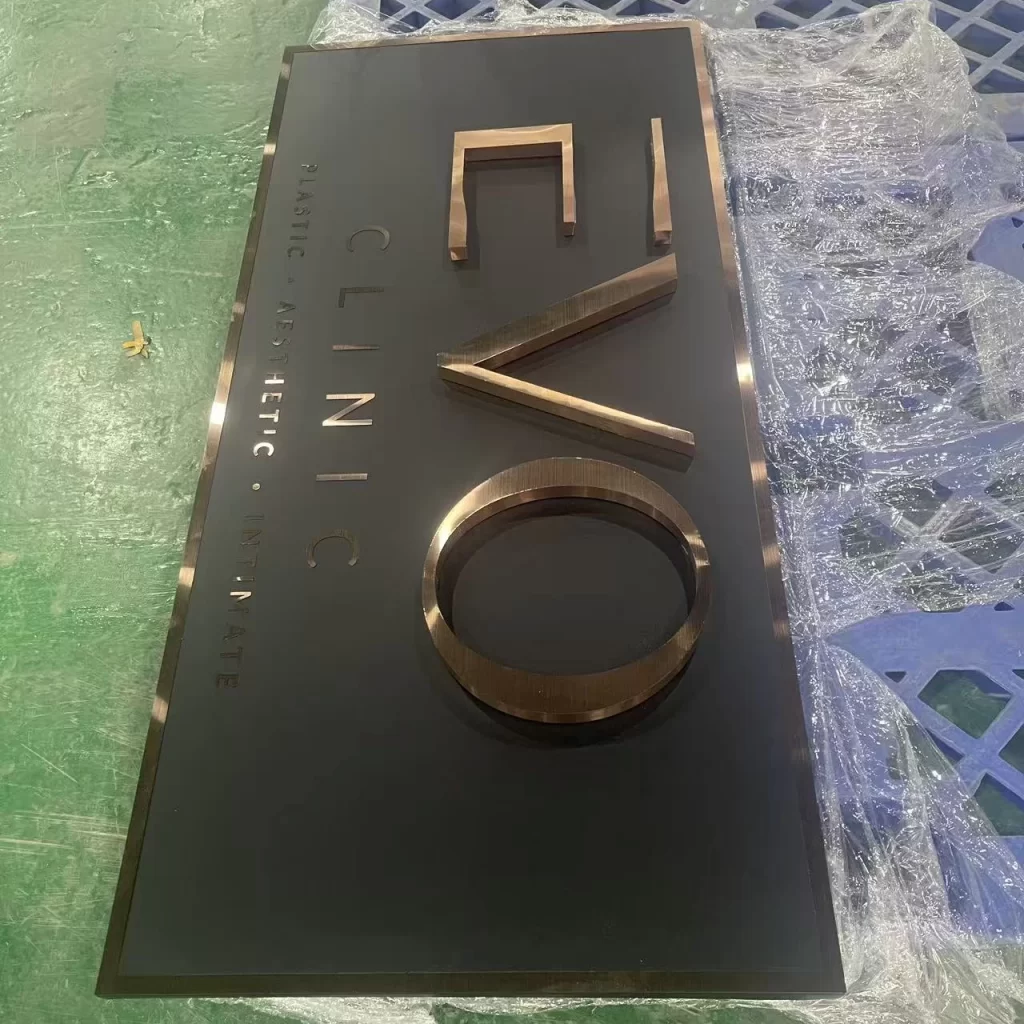
A common importer mistake is assuming that a supplier’s “CE-ready” sticker on a driver is enough to support the finished sign’s declaration. It is not. The EU declaration of conformity must tie together the actual driver model, the LED module model, the enclosure, the wiring layout, and the applicable harmonized standards. If the manufacturer substitutes a driver for a different model mid-production run, the original test report no longer covers the shipment. Ask for a model-specific bill of materials at production start and a revised declaration if anything changes. Reputable OEM/ODM partners maintain this paperwork per order rather than reusing a generic template across customers, which is the difference between a document your importer can actually file and one a market-surveillance authority will reject on first review.
The EU Importer and Authorized Representative Requirement
Under the EU’s market-surveillance framework, a manufacturer outside the EU must have an EU-based economic operator who takes responsibility for CE compliance, documentation, and post-market handling. This is usually the importer of record—the EU company that brings the sign into the customs union—or an authorized representative they appoint.
Practical implications:
- The non-EU manufacturer cannot simply ship direct to an end customer without an EU-based responsible party.
- The importer must verify that the manufacturer has prepared the required technical documentation and that the CE mark is correctly applied.
- Contact details of the EU importer or authorized representative must appear on the product, packaging, or accompanying documentation.
For non-EU brands shipping to Europe, this is usually solved by appointing the European distributor, contractor, or logistics provider as importer of record.
VAT and Import Duties by Member State
When goods enter the EU, they clear customs in the member state of first entry (or under a special procedure) and are subject to:
- Customs duty. Depending on the product classification. Illuminated signs typically fall under a customs classification comparable to the HTSUS 9405 category used elsewhere; the precise EU Combined Nomenclature code is confirmed by your customs broker. Duty rates vary by classification and current trade policy—budget a range rather than a fixed number.
- Import VAT. Charged at the domestic rate of the member state of entry. Standard VAT rates vary by country (commonly in the high teens to around 25 percent across the EU, with reduced rates in some member states). VAT is recoverable for VAT-registered businesses if correctly documented.
- Excise or environmental fees on packaging, batteries, or electronic waste where applicable.
For UK movements after Brexit, treat the UK as a separate customs territory with its own VAT and duties.
REACH, Packaging, and Batteries
Beyond CE, two EU rules often surprise sign importers:
- REACH. Restricts certain chemicals in products and packaging. Modern acrylic, stainless, and LED assemblies generally comply, but suppliers should be able to provide REACH declarations.
- Battery and WEEE rules. Illuminated signs with integrated battery backup (rare in architectural signs) may trigger battery producer responsibility. LED signs with power supplies fall under WEEE in many member states; your EU importer should register the brand as needed.
Incoterms and Sea Freight to EU Ports
Most Chinese-origin sign shipments move by sea. Common Incoterms:
- FOB Shenzhen / Yantian / Ningbo. Buyer arranges ocean freight and insurance to the EU port.
- CIF Rotterdam / Hamburg / Felixstowe. Supplier arranges ocean freight and insurance to the destination port; buyer arranges customs clearance and onward delivery.
Major EU entry ports include Rotterdam, Hamburg, Antwerp, Bremerhaven, and Felixstowe. Transits from South China are commonly four to six weeks depending on port and transshipment.
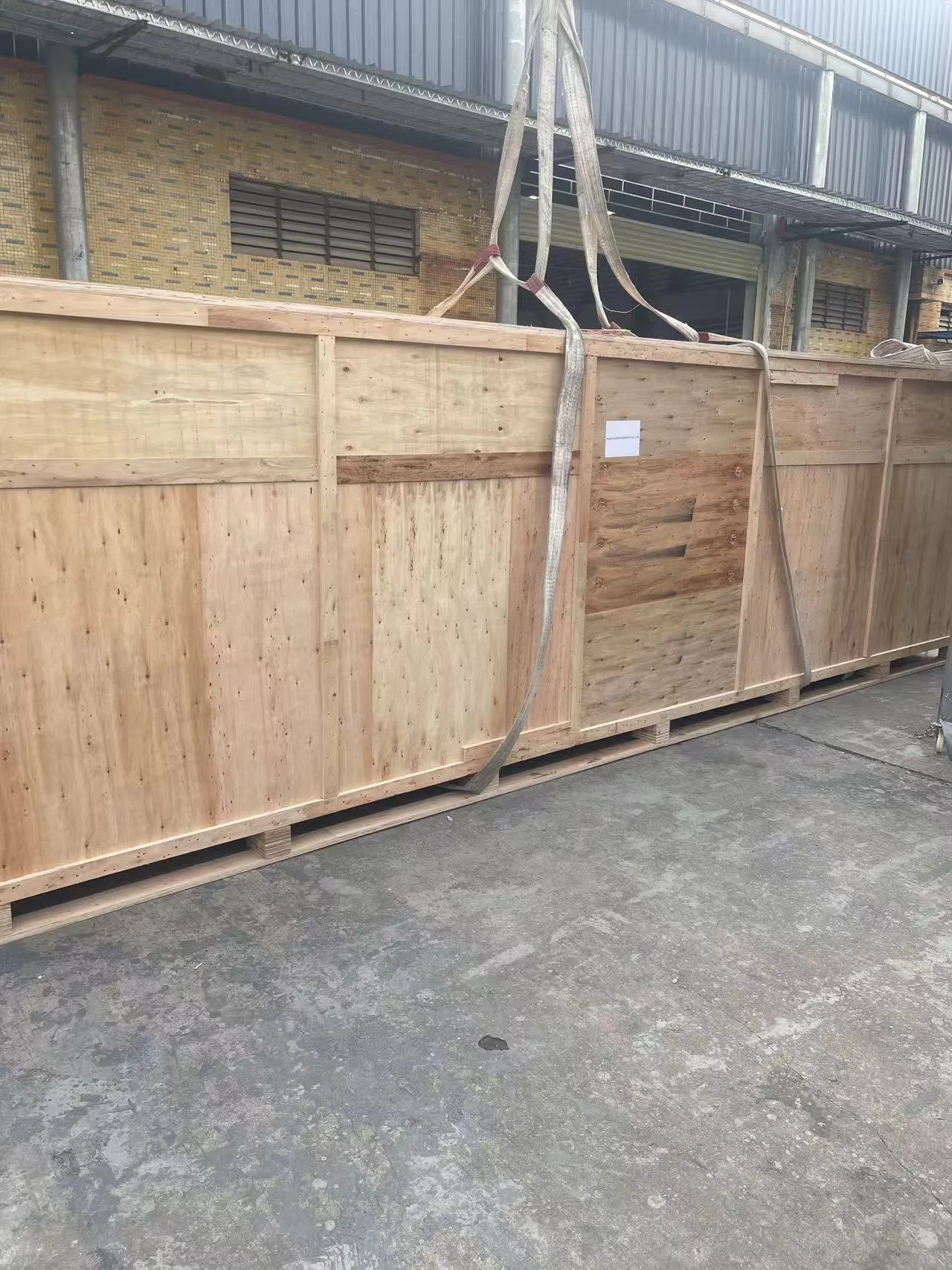
For bulky channel letters and lightboxes, buyers often use LCL (less-than-container) for small orders or FCL 20ft/40ft containers for rollouts. Palletized, shrink-wrapped loads are standard; cartons should carry markings for orientation and fragile handling.
Language Labeling and Documentation
CE-compliant documentation should be available in the language(s) of the member state where the sign is placed on the market. Practical requirements:
- Product label with manufacturer identity, EU importer identity, model, serial or lot, and CE mark.
- Installation and safety instructions in the local language where applicable.
- Declaration of conformity and technical file available to authorities on request.
For multilingual chain rollouts, centralize a single master manual and have it translated once.
Product Families We Export to Europe
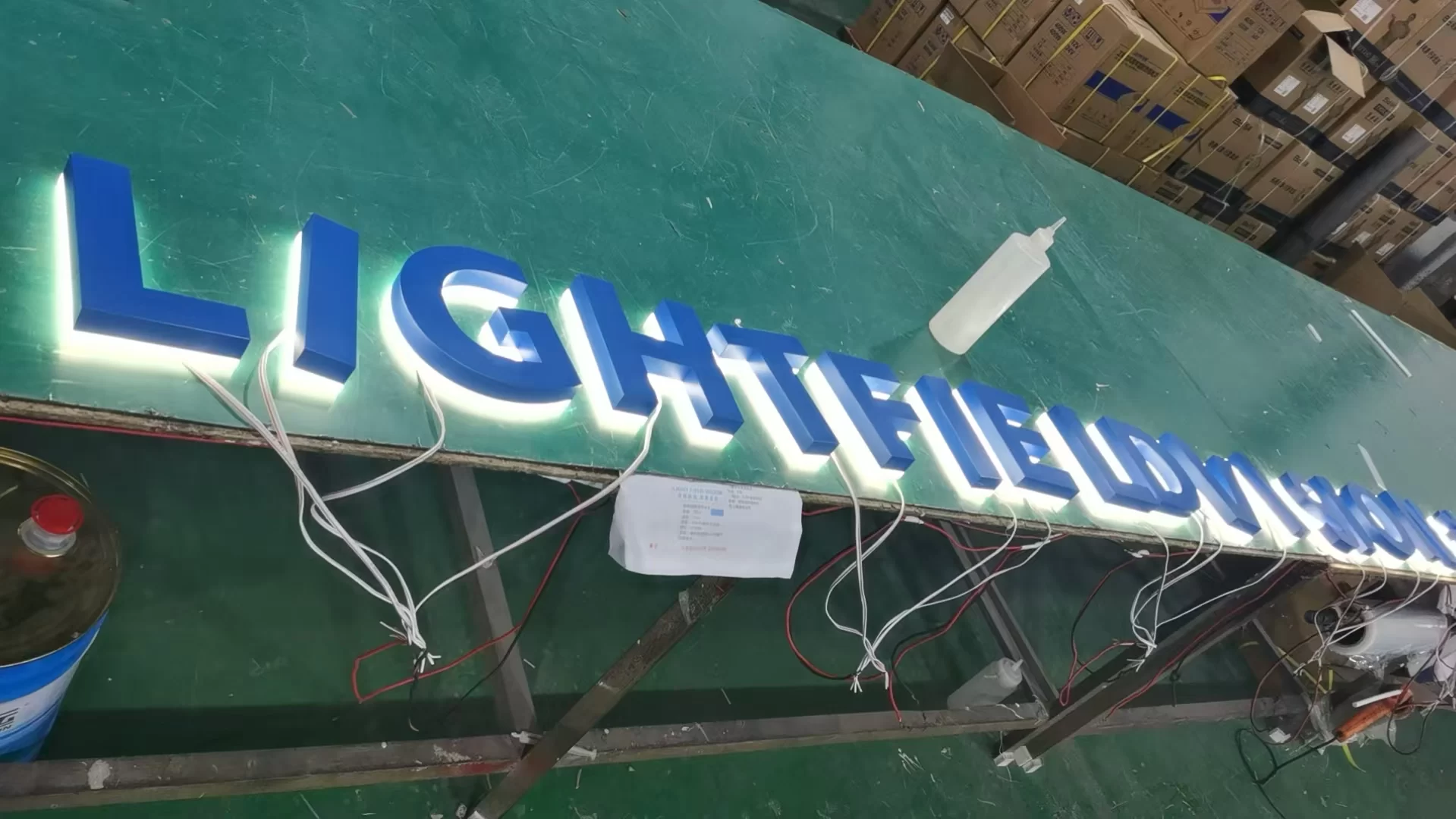
Hongbo Signage produces LED halo letters for EU projects for boutique retail and hospitality, premium brushed-metal lightbox signs for architectural facades, and modular LED cluster logo signs for multi-tenant properties. All are built with LED drivers, and production typically includes aging checks before packing, with export packaging for pallet sea freight.
Parallel Paths: USA, Australia, Canada
The EU workflow differs from the US model in important ways—CE versus UL, EU importer of record versus US importer of record, and member-state VAT versus US duty-only. For comparison, see importing signs to the USA and importing signs to Australia and Canada.
Brexit and the UK: A Separate Track
If your destination is the United Kingdom rather than an EU member state, treat it as a parallel customs territory rather than an extension of the single market. UK importers handle their own customs declarations, pay UK VAT (with a reverse-charge mechanism for registered businesses), and must meet UKCA or CE-accepted marking rules depending on current transitional arrangements. Ports like Felixstowe, London Gateway, and Liverpool handle most direct containers, with rail and truck onward to Scotland or Northern Ireland. Because the UK regime has shifted several times since 2020, always confirm current rules with your broker at the time of shipment rather than relying on last year’s playbook.
What Buyers Should Prepare for a Sign Quote
To scope an EU-bound sign order cleanly, gather the following before sending the RFQ:
- EU importer details. The EU-based economic operator who will act as importer of record or authorized representative, with their contact details for product labeling.
- CE documentation needs. Whether the sign is illuminated (EMC/LVD in scope) or non-electrical, and which harmonized standards and test reports the importer expects on file.
- VAT and EORI. The member state of first entry, the importer’s VAT registration and EORI number, and whether the goods will move under a customs procedure requiring post-clearance documentation.
- Member state (and UK vs. EU) destination. Which EU member state the signs are placed on the market in, and whether the UK is a separate destination requiring UKCA/CE-accepted arrangements.
- Language labeling needs. Which EU language(s) the product labels, installation instructions, and declaration of conformity must be available in.
- Incoterms and ports. FOB South China or CIF Rotterdam/Hamburg/Antwerp/Felixstowe, plus whether LCL or FCL fits the rollout.
- REACH, packaging, and WEEE expectations. Whether the importer already holds producer-registration for packaging, batteries, and WEEE in the destination member state.
Compliance Note
EU import rules differ by member state, and the UK has separate requirements post-Brexit. This guide is buyer guidance, not legal advice. Confirm CE/EMC/LVD expectations, VAT, and labeling rules with your EU importer/authorized representative and local customs authority before ordering.
Frequently Asked Questions
Q: Do all imported signs need CE marking?
Illuminated electrical signs placed on the EU market generally fall under applicable EU directives and may require the CE mark depending on their electrical configuration. Purely non-electronic fabricated signs are outside the LVD/EMC scope but still need to meet general product-safety rules.
Q: Who is the EU importer of record?
An EU-established economic operator—often your European distributor, contractor, or appointed representative—must take responsibility for compliance and documentation.
Q: How much VAT will I pay on signs imported into the EU?
Import VAT is charged at the domestic rate of the member state of entry, commonly in the high teens to around 25 percent. VAT-registered businesses can usually recover it with proper documentation.
Q: Do LED drivers need to be CE-certified separately?
Yes. Use CE-certified drivers, power supplies, and LED modules; the finished sign’s CE declaration relies on those components being compliant.
Q: How long is sea freight from China to Europe?
Typical South China-to-North-European sea transit is four to six weeks depending on port and transshipment.
Conclusion
Importing signs from China into Europe is a repeatable workflow when you get CE compliance, the EU importer arrangement, VAT documentation, and palletized freight right. Partner with an OEM/ODM manufacturer that can supply certified components, technical documentation, and export-grade packing, and work with a licensed EU customs broker. Always verify current CE guidance, duty, and VAT rules with your broker and importer of record.
Planning an EU-bound sign order and need the import facts up front?
Hongbo Signage provides OEM/ODM custom signage manufacturing from Guangzhou, China. Get a custom sign quote within 24 hours.