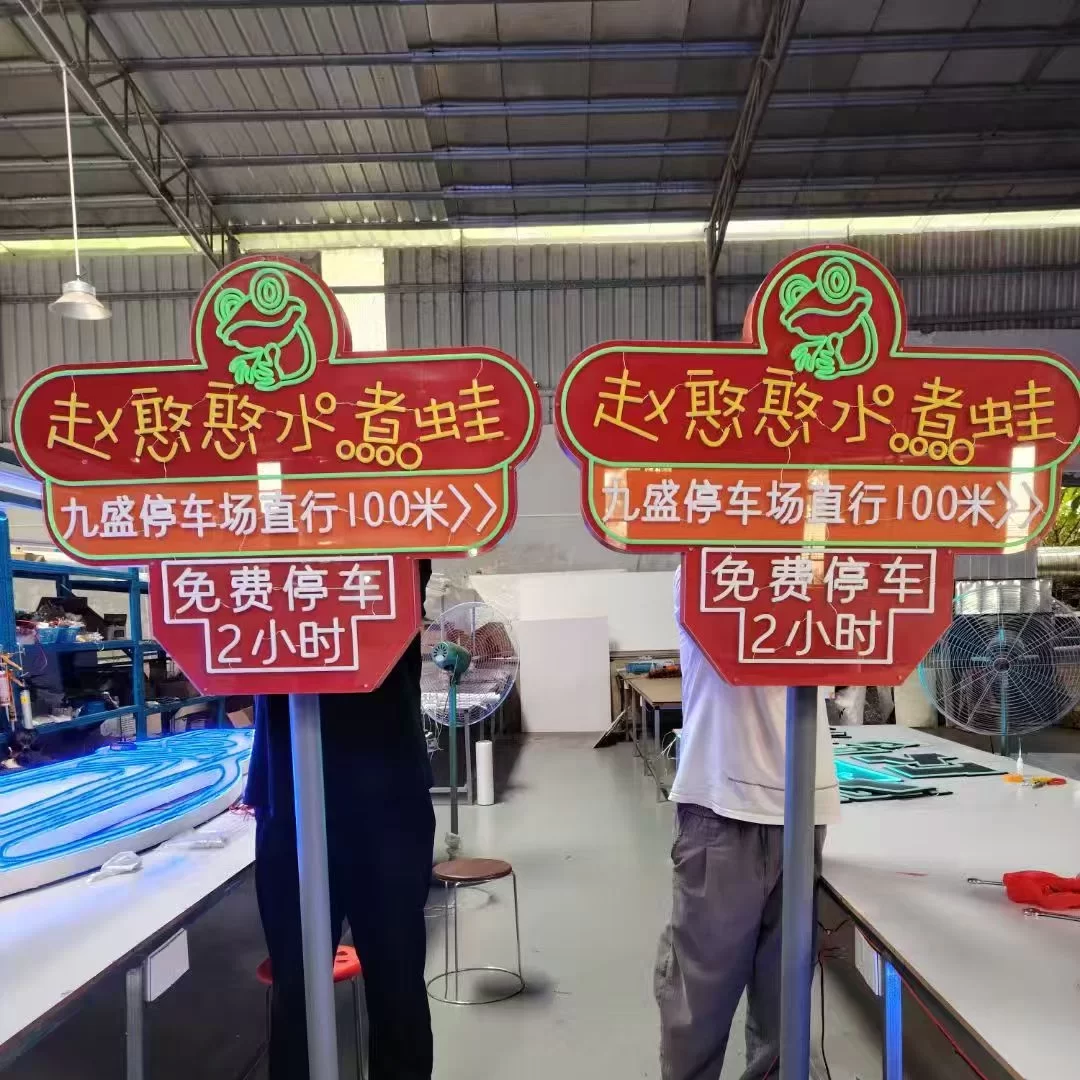



Apartment property signage does more than point the way. It is the first thing a prospective resident sees on a tour, the first thing a delivery driver looks for after dark, and the first thing a maintenance technician uses to find the right unit in a multi-building property. A coherent sign program reduces lost visitors, fewer maintenance calls from confused residents, and a lower turn rate — because a building that is easy to navigate feels well run, even when everything else is equal.
Multi-tenant property signage is also a coordination problem. A residential building may house a lobby, a leasing office, a gym, a package room, and retail tenants on the ground floor — a pharmacy, a bank branch, a coffee shop, a dog groomer. Each tenant has their own brand, but the building has to read as one property. The sign program has to balance tenant branding with property-level wayfinding, and it has to do it across both exterior and interior spaces that see rain, snow, cart traffic, and daily cleaning.
This guide is written for property managers, residential leasing teams, commercial real estate owners, and procurement specialists ordering a custom sign program. We cover building identification, unit numbering, lobby directories, parking and amenity signs, tenant coordination, durable materials, and the practical OEM/ODM questions: MOQ, lead time, packaging, and export shipping.
Building Identification and Monument Signs
The first sign a visitor sees is usually the monument sign at the driveway or sidewalk. For a residential community, that sign carries the property name, sometimes the leasing office number, and a brief directional arrow. It is exposed to the weather, so material choice is critical.
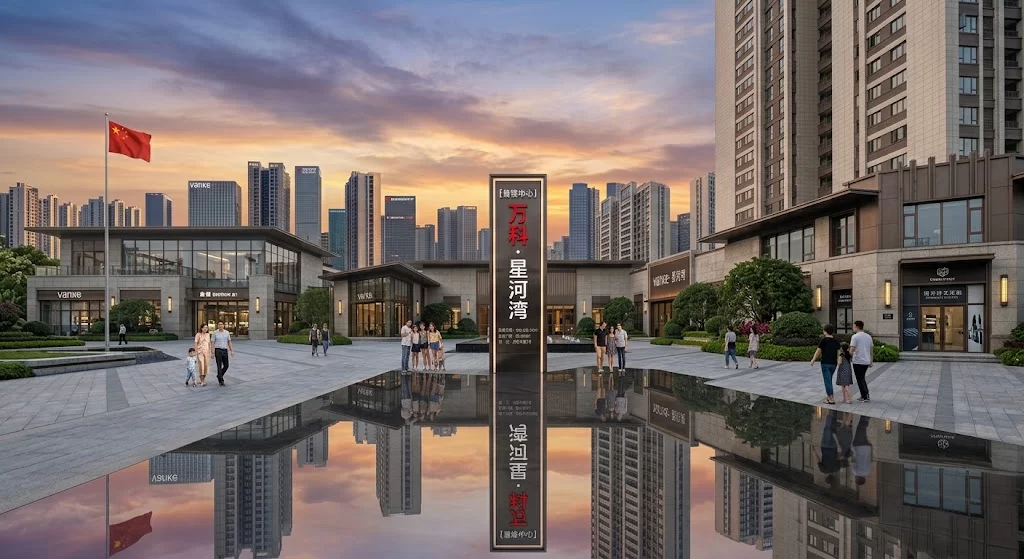
Polished-metal monument directory signs are a common choice for mid-rise and high-rise residential properties. They read as established and premium, and the polished metal ages well outdoors. For garden-style apartments and townhome communities, a freestanding monument on a masonry base with the property name in dimensional letters is a classic approach.
For buildings in a multi-tenant mixed-use development, the monument sign often also lists the major ground-floor tenants. That coordination is worth planning early — the property manager and each tenant should agree on the hierarchy of names before fabrication, so that the monument does not look like a last-minute compromise.
Unit Numbering and Building Identification
Once inside the property, the sign program organizes the wayfinding:
- Building numbers on the exterior of each structure, visible from the parking lot.
- Entry identification above each lobby door, showing the building name or number.
- Unit numbers on each door or mailbox bank.
- Floor identification in elevator lobbies and stairwells.
- Corridor and wing identification for properties with multiple wings or towers.
Building number and entry identification signs are typically produced as dimensional aluminum or stainless steel letters mounted to the facade, or as backlit panels for buildings that need visibility after dark. For interior unit and floor identification, illuminated or non-illuminated acrylic and aluminum composite nameplates are standard.
The numbering system itself should follow a simple, predictable rule. A building that mixes wing letters, floor numbers, and unit numbers in inconsistent order (A-101, 2-105, B1-203) drives residents and delivery drivers crazy. Lock the numbering convention before designing the signs.
Lobby Directories
The lobby directory is the property’s most-used interior sign. It lists the ground-floor tenants, the building floor plate, the leasing office, and amenities (gym, package room, roof deck). For a mixed-use building, it is also where visitors decide which direction to walk.
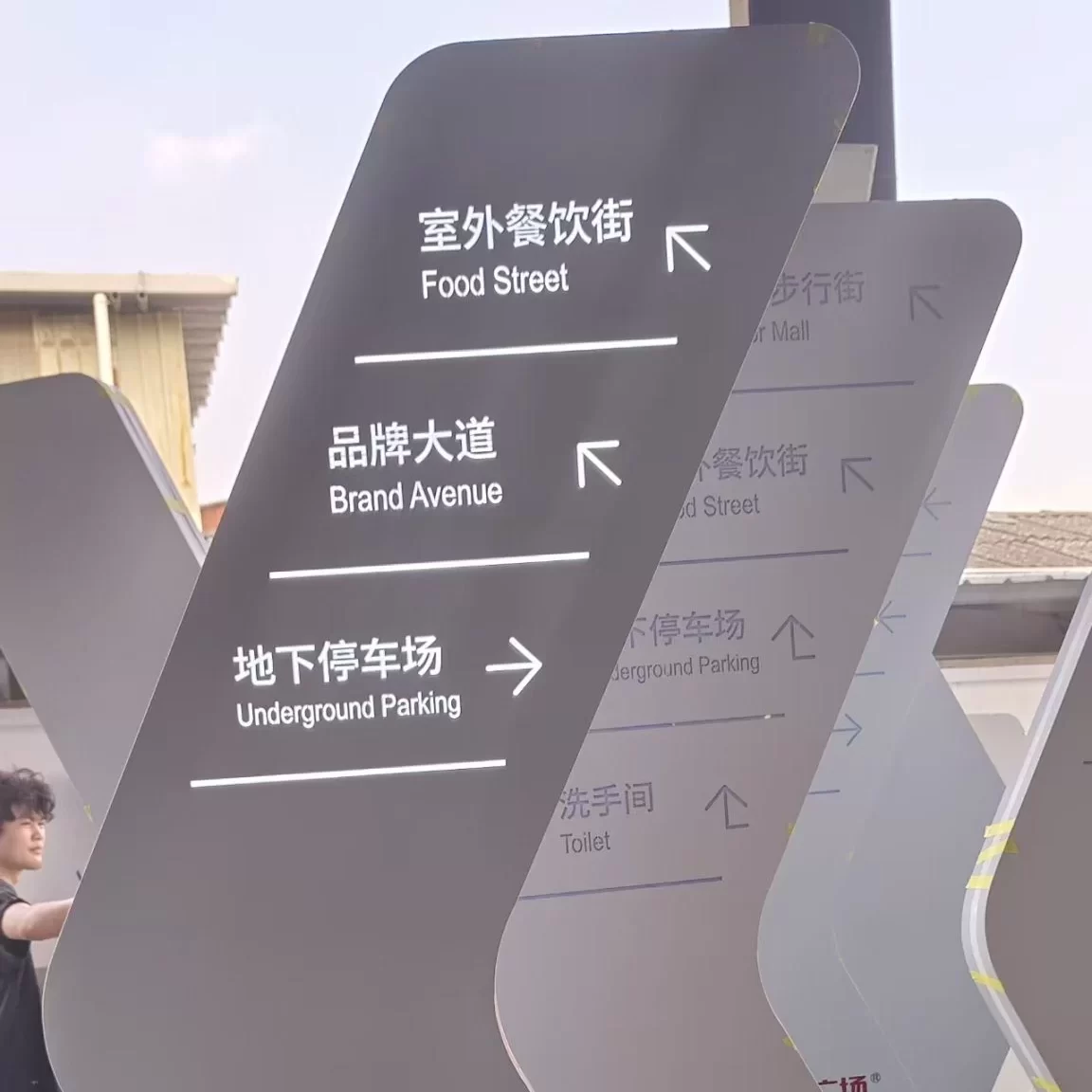
Residential wayfinding and directory signs are typically built as backlit or non-illuminated panels mounted in a common frame, with swappable face inserts so that tenant changes can be updated without replacing the whole directory. That design detail matters: a tenant turnover in a multi-tenant building happens every few years, and a directory that requires a full replacement is an ongoing expense.
The directory should be mounted at eye level, near the elevator bank or the main entrance, with high contrast between text and background. Visitors read it while standing, often with a phone or a package in hand, so type size and contrast matter more than clever design.
Parking and Amenity Signs
Parking and amenity signage covers:
- Visitor, resident, and handicap parking identification.
- Parking garage level and stall numbering.
- EV charging station identification.
- Bike room, package room, gym, pool, and roof deck directional signs.
- Leasing office direction and hours.
- Trash and recycling room identification.
- Pet waste station and dog run signs where applicable.
These signs should share the material system of the building identification and lobby directory. A property that has invested in brushed stainless steel on the monument will look inconsistent if the parking garage signs are printed on cheap PVC.
Coordinating Tenant Signage
Multi-tenant properties have a built-in coordination challenge. Each ground-floor tenant wants their own brand sign, but the building has to read as one property. The standard approach is a landlord signage criteria document:
- Approved sign band, height, and depth per facade.
- Approved illumination type and brightness.
- Approved material palette (so that tenant signs share a common visual language).
- A review process before fabrication.
For specific tenant types, our guides on coordinating pharmacy tenant signage and coordinating bank and ATM tenant signage cover how those retail and service tenants typically fit into a multi-tenant property. The general principle is that the building’s own wayfinding signs (monument, directory, unit numbers) are produced first and to a fixed spec; tenant signs are then reviewed against that spec.
Durable Materials for Exterior and Interior
Property signage sits between exterior weather and interior daily cleaning. The right materials:
- Stainless steel for monument lettering, building numbers, and premium lobby panels.
- Aluminum with powder coating for exterior signs, parking garage signs, and amenity panels. Powder coat is far more durable than painted or vinyl finishes.
- Acrylic and polycarbonate for illuminated faces and interior directory panels.
- Aluminum composite for flat printed interior signs.
- Swappable face inserts for directories so that tenant updates do not require a full replacement.
Hongbo Signage’s production process uses laser cutting for precision acrylic and metal shapes, bending and welding for monument and frame structures, and powder coating for consistent exterior finishes. Illuminated signs go through an aging test before packing so that a dim LED module is caught at the factory rather than above the building entrance at night.
Permitting and Landlord Coordination
Many cities regulate monument signs, building-mounted lettering, and changeable message boards — especially in residential neighborhoods or near historic districts. Before designing a monument sign, check with your local planning department. Setback, height, illumination brightness, and even the size of tenant panels are often controlled. Our guide on property sign permit costs walks through the typical questions.
For multi-tenant buildings, the landlord’s signage criteria document is effectively a private permit process. Build review time into the project schedule, especially if tenant signs are being coordinated with the property’s own sign program.
MOQ, Lead Time, and Export Shipping
For a single property, a sign package typically runs from a few dozen signs (monument, building numbers, lobby directory, parking) to several hundred (large mixed-use building with multiple tenants). MOQ is low enough to support a single-property order. For a portfolio of properties owned by the same management company, standardization across all properties reduces per-unit cost and makes maintenance easier.
Lead time is typically 10-25 working days after artwork approval, depending on quantity, material complexity, and illumination. Larger monument signs with masonry bases often require on-site coordination with a local mason; the metal sign face ships separately and mounts to the finished base.
Shipping most often goes by sea. LCL works for a single property order; FCL makes sense for a portfolio rollout. Monument panels and dimensional letters are heavy and ship crated, corner-protected, and strapped to pallets. On arrival, a QC pass — count cartons, inspect a sample face for finish consistency, and test illuminated signs — catches most issues before installation. For a line-item breakdown of cost drivers, see the property signage budget guide.
What Buyers Should Prepare for a Sign Quote
Before requesting a property sign quote, gather the inputs that keep the wayfinding program coherent across buildings and tenants:
- A building plan showing the monument site, building entries, elevator lobbies, stairwells, and parking levels.
- Your agreed unit-numbering standard (wing, floor, unit order) locked before any signs are designed.
- The ground-floor tenant mix, and which tenants appear on the monument and lobby directory.
- A clear split of exterior and interior needs: monument, building numbers, unit plates, directory, parking, amenities.
- A landlord signage criteria draft if multi-tenant, so tenant signs can be reviewed against your spec.
- Any monument permit or setback notes from your local planning department.
- Your portfolio rollout plan if you manage multiple properties, with one sign standard to reuse.

Frequently Asked Questions
Q: What is the best material for an apartment monument sign?
Most residential properties choose a masonry base with a stainless steel or aluminum sign face, often powder-coated. Polished-metal monument directories read as premium and established. For interior lobby directories, backlit acrylic panels with swappable face inserts are standard.
Q: How do I coordinate tenant signage in a mixed-use building?
Use a landlord signage criteria document that specifies the approved sign band, height, illumination, and material palette. The property’s own wayfinding signs (monument, directory, unit numbers) are produced first; tenant signs are reviewed against the same spec.
Q: Should apartment directories have swappable faces?
Yes. In a multi-tenant building, tenants turn over every few years. A directory with swappable face inserts lets you update tenant names without replacing the whole frame. This is a design detail worth specifying at the outset.
Q: What is the typical lead time for property signage?
Typical lead time is 10-25 working days after artwork approval, depending on quantity, material complexity, and illumination. Add transit time: sea freight typically takes several weeks door-to-door. Build extra time for permitting and on-site masonry coordination.
Q: Do apartment signs need a permit?
Often, yes. Many cities regulate monument signs, building-mounted lettering, and changeable message boards. Check with your local planning department before designing, and build permitting time into your project schedule. Our guide on property sign permit costs covers the typical questions.
Conclusion
Apartment and property signage is a coordination exercise in wayfinding. The monument sign identifies the property; building numbers and unit letters organize the interior; the lobby directory lists tenants and floors; parking and amenity signs keep residents and visitors moving; and tenant signs are reviewed against a common criteria so that the building reads as one property. Choosing stainless steel, powder-coated aluminum, and quality acrylic, designing directories with swappable faces, and partnering with a single OEM/ODM manufacturer keeps a single property coherent and a portfolio consistent. For one mid-rise building or a residential portfolio, the sign program is what makes the property feel well run.
Coordinating wayfinding and tenant signage across a property portfolio?
Hongbo Signage provides OEM/ODM custom signage manufacturing from Guangzhou, China. Get a custom sign quote within 24 hours.